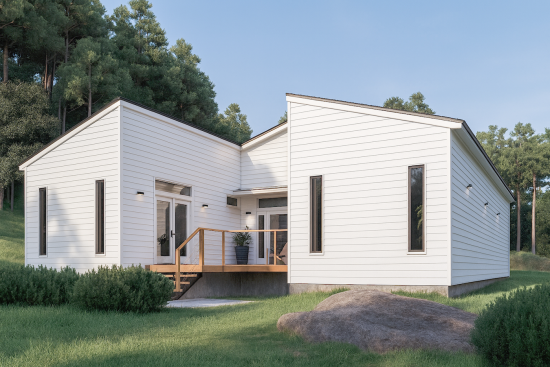
This blog explains why factory-built homes often provide better cost predictability than traditional site-built projects. It focuses on how early coordination, defined inclusions, and controlled production can reduce the uncertainty that leads to budget drift. Readers will learn how front-loaded decisions improve estimating, why reduced rework and material waste can stabilize labor hours, and how repeatable workflows support more reliable pricing. The article also clarifies what can still change, including foundations, utilities, and local permitting requirements, so homeowners can separate fixed costs from site-dependent variables. It includes guidance on what to ask a builder, how to evaluate allowances versus included items, and why ADU and infill projects benefit from a clearer path to budgeting. The goal is to help homeowners plan with confidence and protect long-term value....
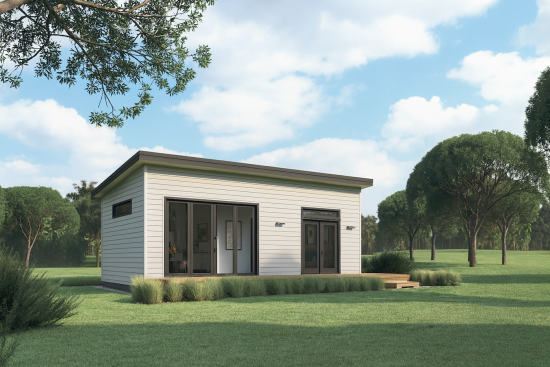
This article explores why California is moving toward factory-built construction and what that shift means for homeowners planning ADUs and residential projects. It compares site-built and factory-built workflows, focusing on the real difference: reduced variability through controlled assembly and repeatable quality control. The blog explains how factory-built methods can improve schedule certainty, support consistent performance, and reduce long-term maintenance risk, while also addressing key considerations such as permitting coordination, inspections, transportation logistics, and site access. It highlights how cost predictability can be a major advantage for homeowners who want clearer budgeting and fewer change-order surprises. By framing the decision around livability, execution quality, and site constraints, the overview helps readers choose the construction path that best supports long-term comfort, value, and a smoother overall build experience....
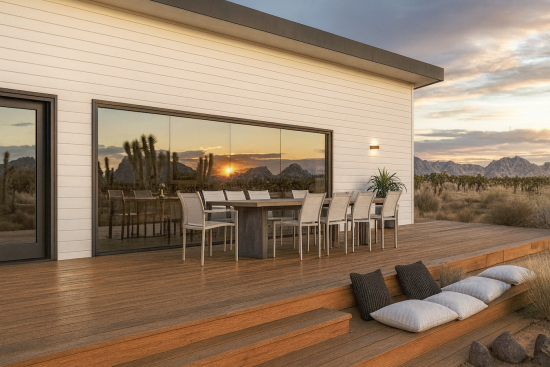
This article explains why factory-built homes are becoming a defining part of modern housing, especially for homeowners who want strong design and fewer construction unknowns. It breaks down what factory-built means, how off-site production improves scheduling and coordination, and why quality control can be more consistent in a controlled environment. The piece highlights how early planning supports cohesive layouts, better storage, and more refined finishes, while also improving energy performance through reliable insulation and air sealing. It covers why factory-built methods can be a smart fit for California infill projects and ADUs, where access and neighborhood disruption matter. Finally, it outlines what homeowners should evaluate when choosing a factory-built team so the off-site build and on-site work function as one integrated project focused on comfort, durability, and long-term value....
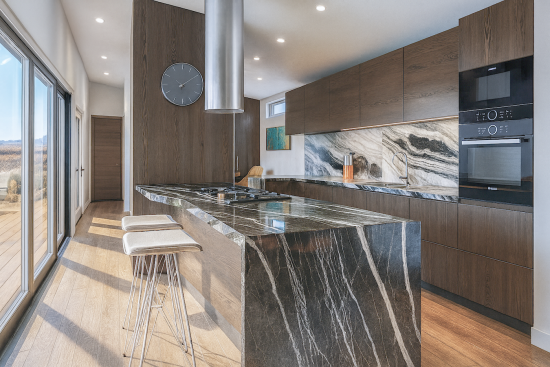
This blog explains how ADUs are evolving into long-term housing assets across California. It outlines the forces shaping the next chapter of ADU adoption, including multi-generational living, rental demand, and the growing expectation that small homes should feel complete and comfortable. The article highlights what will matter most going forward: privacy-focused site planning, neighborhood fit, durable construction, and performance features such as insulation continuity, sound separation, and efficient ventilation. It also covers flexible design strategies that help a unit transition between rental housing and family housing without costly remodeling. With practical guidance and regional context spanning the Bay Area, Santa Cruz, San Francisco, Sacramento, and Southern California markets, this overview helps homeowners plan an ADU that stays livable, low maintenance, and valuable as needs and neighborhoods change....
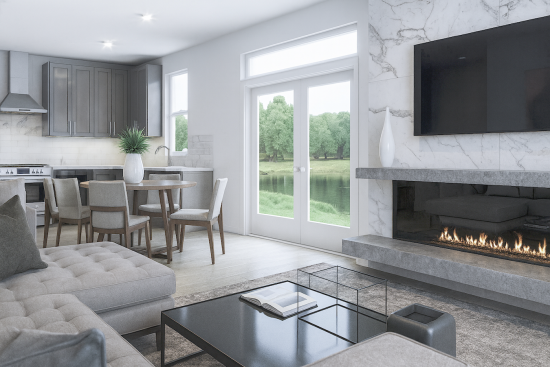
ADU living is often judged by weak examples, which creates myths that keep homeowners from making clear decisions. This article explains the most common misconceptions, from the belief that ADUs always feel cramped and lack privacy to the assumption that they are only for renters or short-term use. It shows how livability is shaped by planning details such as circulation, natural light, storage, sound control, and durable materials. The blog also addresses misconceptions around permitting difficulty, neighborhood impact, and cost, emphasizing the importance of evaluating total cost over time rather than only upfront price. Finally, it provides a simple set of signals to look for in an ADU plan so homeowners can choose a layout that supports comfort, independence, and long-term flexibility. The result is a more accurate, practical view of what ADU living can be in California....
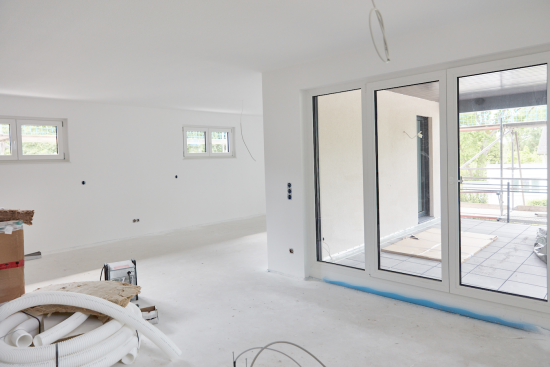
This blog explores how to design an ADU that works as rental housing and as family housing over time. It explains the core features that both uses share, such as a complete residential layout, strong daylight, durable materials, and reliable ventilation. It then breaks down the details that make dual-use successful: privacy-focused entries and windows, sound separation between households, storage that prevents clutter, and kitchens and bathrooms designed for daily living. The article also highlights accessibility and aging considerations that increase long-term flexibility, plus site planning strategies that define outdoor space without making the property feel divided. Finally, it explains how consistent construction and integrated planning, including factory-built options, can support predictable performance. The outcome is a comfortable, low-maintenance ADU that adapts as your needs change....
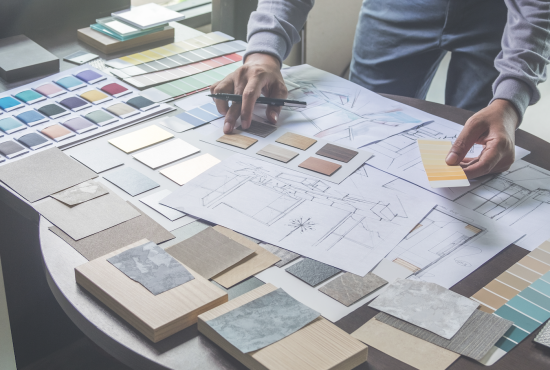
This blog examines how construction method directly affects ADU performance over time, from daily comfort to long-term durability and maintenance. It compares site-built and factory-built approaches, explaining how consistency, precision, and environmental control influence insulation quality, sound separation, moisture resistance, and structural stability. You will learn why ADUs are especially sensitive to build quality, how predictable assembly can reduce lifecycle costs, and why performance matters as much as design when evaluating long-term value. The article also highlights how construction choices affect rental reliability, family use, and resale perception. By focusing on performance rather than appearance alone, homeowners can choose a construction method that supports a quieter, more comfortable, and more resilient ADU that holds up well over many years....
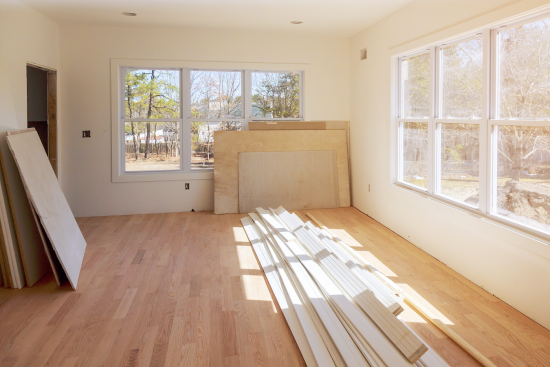
As California homeowners seek more flexible and efficient housing solutions, turnkey ADU services are becoming increasingly popular. This article explains what a turnkey ADU solution is, how it differs from traditional project delivery, and why homeowners appreciate the clarity it brings to cost, schedule, and management. It details how turnkey teams coordinate design, permitting, utilities, financing guidance, and construction to reduce risk and streamline the process. The piece also discusses how turnkey approaches support design quality, local regulation navigation, and long-term performance. By offering a single point of accountability and clearer cost estimates, turnkey ADUs help homeowners avoid common pitfalls and move forward with confidence. Whether the goal is rental income, multigenerational living, or property flexibility, a turnkey approach provides a cohesive path from vision to finished home while preserving value and reducing stress....