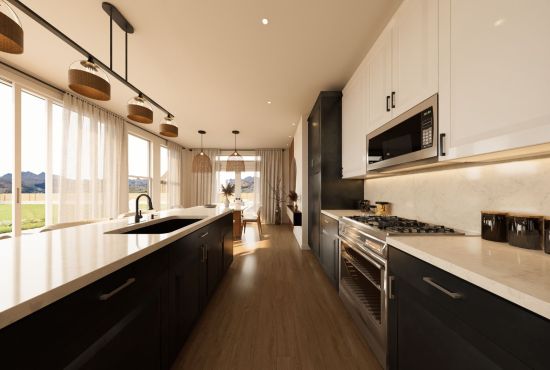
This blog reframes factory-built housing as a form of infrastructure that can scale with California’s housing needs. It explains how repeatable build systems reduce construction variability, protect performance quality, and support predictable timelines, especially for ADUs and small homes. The article connects that delivery advantage to real regional demand across Santa Cruz, the South Bay, San Francisco, Sacramento, Santa Rosa County, San Luis Obispo County, Santa Barbara, LA County, Orange County, and San Diego. It also highlights why ADUs behave like neighborhood infrastructure by adding capacity through infill rather than sprawl. Readers will see how “quality” expands beyond visible finishes to include the building envelope, moisture control, and mechanical coordination. The blog closes with a practical point: the best outcomes combine factory consistency with on-site craftsmanship for foundations, utilities, and site-specific integration....
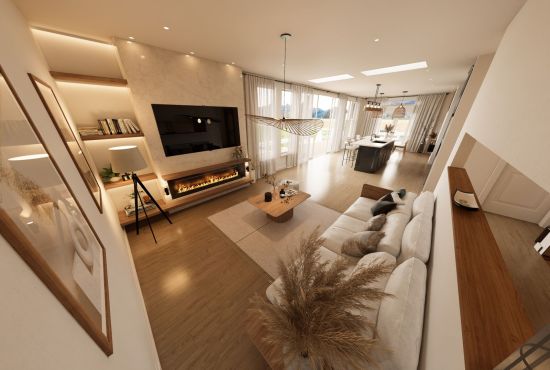
This blog compares the strengths of factory-built housing and traditional site-built craft through the lens of quality, not hype. It explains how traditional craft can excel at custom integration and finish detail, while factory-built processes often deliver stronger consistency in building envelope performance, air sealing, insulation continuity, and system coordination. The article clarifies why variability on job sites can lead to small issues that add up over time, and why consistency is often what homeowners experience as comfort, quiet, and reliability. It also addresses a common misconception that factory-built homes lack character, showing how thoughtful design and good specifications can deliver warmth and personality with fewer surprises. Finally, readers get a simple framework for evaluating builders by asking how quality is verified, documented, and protected from start to finish....
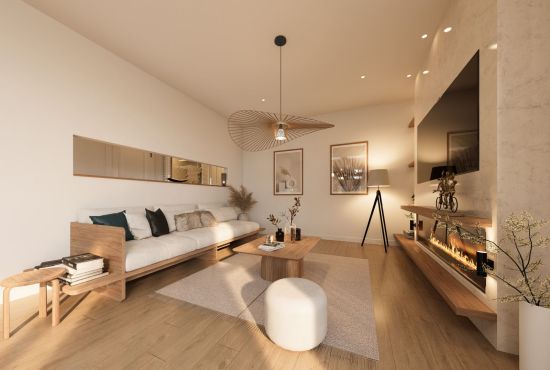
This blog explains how off-site construction can reduce risk for homeowners by improving predictability and minimizing common construction pitfalls. It outlines how building in a controlled environment helps protect materials from weather, reduces moisture exposure, and supports repeatable quality checks. Readers learn how coordinated production can limit trade conflicts, compress on-site timelines, and reduce rework that often drives cost and schedule overruns. The article also highlights why earlier decisions and stronger documentation can lower change order risk and clarify project scope. It addresses what still depends on the site, including foundations, utilities, access, and permitting, and why integrated coordination matters at set day and final commissioning. The goal is to help homeowners understand where risk comes from and how off-site methods can create a steadier, more manageable path to a finished home....
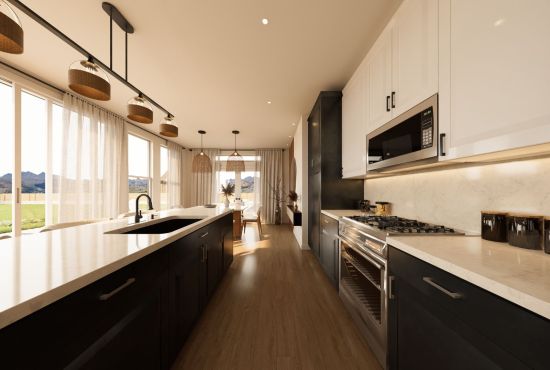
This blog explains why factory-built construction is becoming a major part of the future of residential quality control in California. It breaks down how traditional site-built construction can produce inconsistent results due to weather exposure, scheduling pressure, and trade coordination challenges. It then shows how factory-built homes support more repeatable quality through controlled environments, standardized workflows, and continuous inspection. The article connects quality control to real homeowner outcomes, including better comfort, tighter building envelopes, improved moisture management, clearer mechanical coordination, and higher finish consistency. It also highlights how performance-focused quality control matters more as California faces climate risks and higher expectations for energy efficiency and indoor air quality. The takeaway is simple: quality control is not just a checklist, it is a system, and factory-built housing is accelerating that shift....
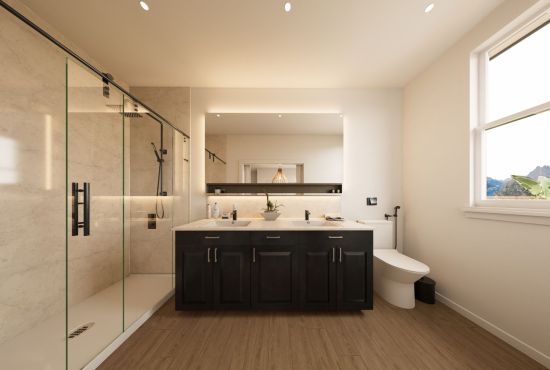
This blog explains why consistency often matters more than speed when building a home, especially for homeowners who care about comfort and long-term durability. It describes how inconsistent construction can create hidden issues such as drafts, uneven temperatures, moisture damage, and ongoing repairs that show up months after move-in. Readers learn how a consistent process reduces rework, improves budget stability, and supports stronger energy performance through reliable insulation, air sealing, and verified assemblies. The article also discusses why factory-built construction can help deliver consistency by using controlled environments and repeatable workflows, while still requiring thoughtful design and project management. Finally, it shares practical ways homeowners can evaluate builders, including questions about quality checkpoints, documentation, and how changes are managed. The result is a clearer path to homes that feel dependable, quiet, and truly livable....
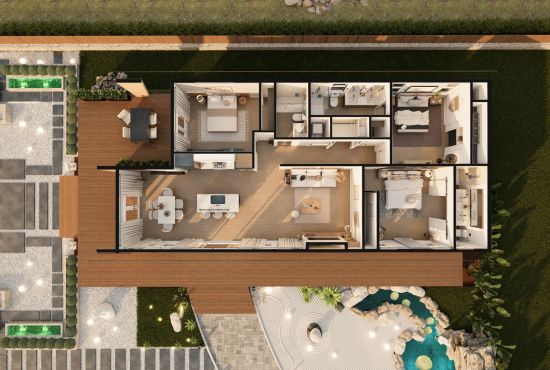
This blog examines the growing role of factory-built housing in creating climate-resilient communities across California. It explains how controlled construction processes can deliver more consistent quality, stronger building envelopes, and improved resistance to heat, wildfire smoke, moisture, and energy disruption. The article explores how factory-built homes can support faster recovery after climate events, reduce construction waste, and improve long-term housing stability for families and renters. It also highlights why resilience depends on both construction method and thoughtful design, including site planning, ventilation strategy, and regional climate adaptation. By connecting resilience to long-term value and community continuity, the piece shows how factory-built housing can help California neighborhoods adapt to an increasingly uncertain climate while maintaining comfort, durability, and livability over time....
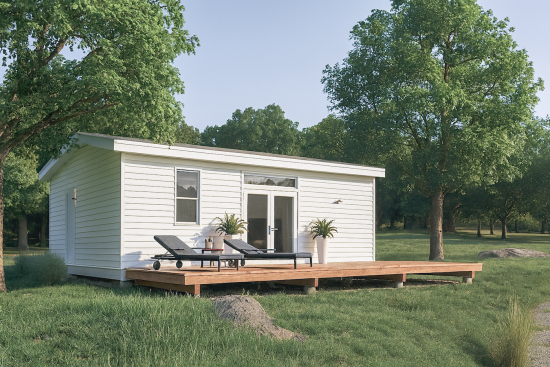
This article examines how factory-built homes can function as a scalable solution to ongoing housing shortages. It outlines the structural reasons shortages persist, including labor constraints, slow delivery timelines, and fragmented construction processes. Readers learn how off-site production supports scalability through repeatable workflows, parallel scheduling, and centralized quality control. The piece highlights the role of factory-built housing in infill development and ADUs, showing how small projects can collectively add meaningful supply. It also addresses cost stability, environmental efficiency, and the importance of policy alignment in enabling broader adoption. By focusing on livability and design quality alongside efficiency, the article presents factory-built housing as a practical and adaptable tool for communities seeking to expand housing supply responsibly....
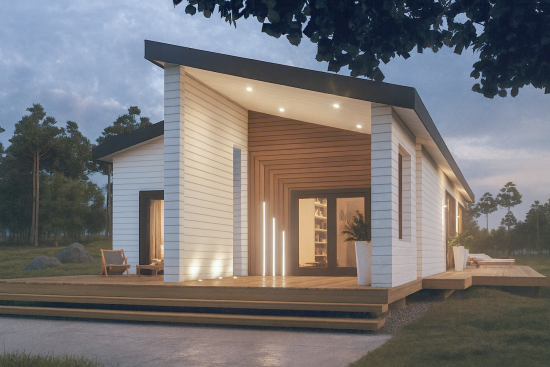
This blog explores the long-term value of factory-built homes through the lens of real ownership outcomes. It explains why consistency in framing, insulation, air sealing, and moisture protection can shape comfort, durability, and maintenance needs over time. Readers learn how controlled construction environments often support tighter tolerances, cleaner finish work, and more predictable energy performance, which can translate into stable monthly operating costs. The article also covers why design still matters, how site planning influences long-term success, and what homeowners should look for when evaluating factory-built options, including envelope strategy, ventilation planning, and quality control checks. With practical insights for both homeowners and investors, the piece shows how factory-built construction can protect value by reducing recurring repairs and supporting a home that feels solid, efficient, and livable for years....