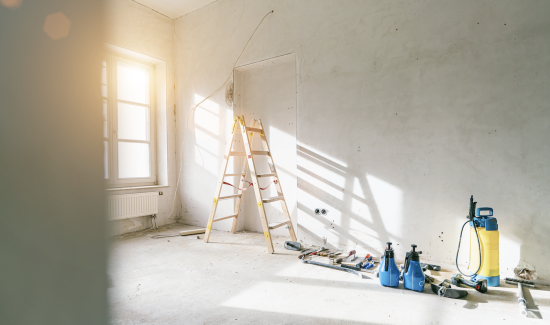
A well-designed ADU feels like a true home, while a basic backyard unit often feels like a temporary add-on. This article breaks down the practical design factors that create that difference. It explains how the entry experience, privacy planning, and clear space zoning shape daily comfort. It also covers why natural light, ventilation, and sound control matter more than people expect, especially on small lots. You will see how functional kitchens, comfortable bathrooms, and integrated storage keep a compact home from feeling crowded over time. The blog also highlights the role of outdoor connection, durable materials, and systems planning in reducing maintenance and protecting long-term value. For homeowners building in California, these decisions influence rental success, livability for family, and how well the ADU supports the property for years to come....

This blog shows why ADUs are increasingly viewed as a sustainable alternative to urban sprawl in California. It explains how adding a second, smaller home on an existing lot supports infill growth, makes better use of existing streets and utilities, and can reduce long commutes that drive emissions. You will learn how smaller footprints can lower material use and operational energy, why water-smart landscaping often becomes part of ADU site planning, and how inward growth can reduce pressure to convert open land or expand into fire-prone edges. The article also covers practical concerns like privacy, noise, and neighborhood fit, emphasizing that thoughtful design can reduce impact and improve acceptance. It wraps up with how factory-built ADUs can reduce waste and improve consistency, making sustainable housing easier to deliver at scale....
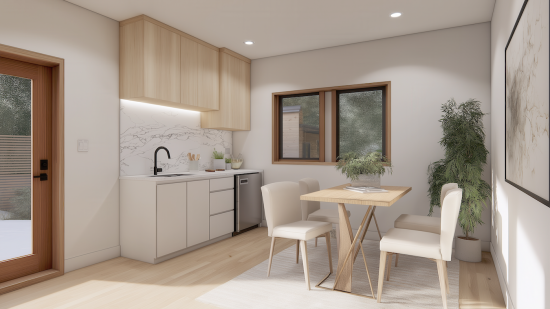
This blog explains how ADUs are influencing property values across California by expanding what a single-family lot can offer. It breaks down the difference between market value, appraised value, and performance value, and why these do not always move at the same pace. You will learn how ADUs increase buyer interest through rental income potential, multi-generational living flexibility, and long-term resilience, especially in high-demand regions. The article highlights why design quality drives value more than size, covering privacy, sound control, storage, natural light, and real kitchen function. It also explores how site planning can protect the main home experience, why regional rent dynamics matter, and how factory-built or modular ADUs can support consistent outcomes. The takeaway is that a well-designed ADU acts like a performance upgrade that can translate into stronger demand and long-term value....
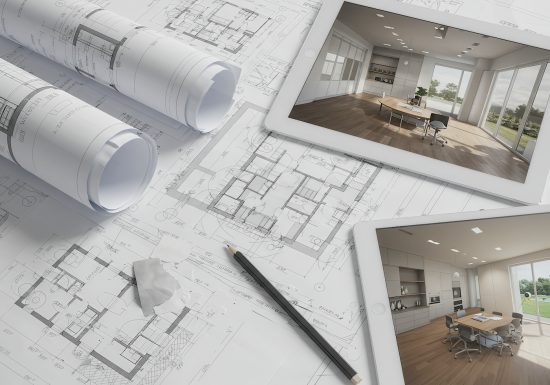
Many ADUs are designed around one immediate purpose, but the strongest projects plan for change. This blog explores how to design an ADU that stays useful through shifting life stages, household needs, and future resale scenarios. It explains why flexible layouts often outperform overspecialized spaces, how storage should be treated like a core utility, and why privacy planning between households matters as much as square footage. The article also covers quiet future-ready choices that support aging in place, including step-free access and bathroom planning that feels normal, not clinical. It highlights long-term performance strategies such as durable finishes, efficient mechanical systems, and comfort-focused insulation and window decisions. By approaching an ADU as a decades-long asset instead of a short-term fix, homeowners can build a small home that feels permanent, adapts easily, and protects long-term value....

California’s housing challenges have forced a reexamination of how residential land is used, and ADUs are emerging as a key part of that conversation. This blog explores the concept of backyard density and how accessory dwelling units introduce housing in a subtle, incremental way that fits within existing neighborhoods. It explains why state policy now supports ADUs, how backyard space can be reimagined without sacrificing privacy or character, and what social and economic benefits come from distributed infill housing. The article also addresses common misconceptions about overcrowding, parking, and infrastructure strain, showing how thoughtful design and regulation reduce negative impacts. By placing ADUs within a long-term land use context, the piece highlights their role in creating flexible, resilient neighborhoods that adapt to changing household needs while preserving the feel of residential communities....
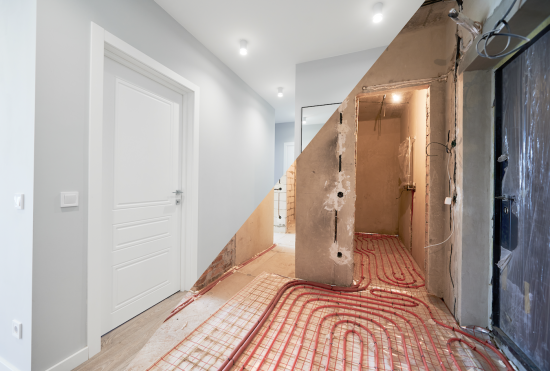
This blog breaks down why ADUs often outperform traditional home additions in California’s high-demand housing market. It explains the core difference between adding square footage to the main house and adding a second, fully livable home on the same lot. You will learn how rental income potential changes the financial equation, why ADUs better support multi-generational living and aging in place, and how independent entries, privacy-focused layouts, and real kitchen function improve long-term usability. The article also covers construction disruption, permitting predictability, and total cost of ownership, including how modern systems and efficient design can reduce ongoing expenses. It closes with a balanced view of when a traditional addition still wins, and how to choose the option that aligns with your goals for comfort, flexibility, and long-term value....
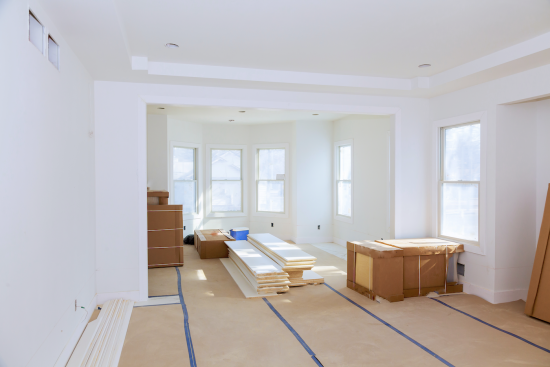
California’s statewide ADU laws changed local housing supply by turning ADUs from a slow, uncertain process into a more predictable path for homeowners. This blog breaks down how standard rules and ministerial approvals reduce delays and make small units feasible across many neighborhoods. It explains how ADUs add supply through cumulative growth, why implementation quality at the city or county level still matters, and how local concerns such as parking, privacy, and neighborhood fit can be addressed through thoughtful design rather than blanket restrictions. You will also learn why ADUs can reduce market pressure even when many units rent at market rates, and how investor interest is influencing small-scale infill. The article wraps up with the role of factory-built ADUs in supporting faster, more consistent delivery when paired with clear permitting and strong site planning....
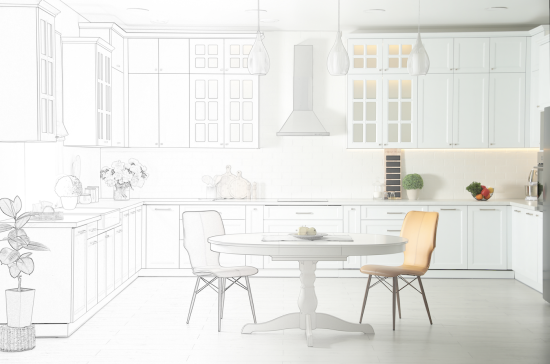
Many homeowners budget for an ADU by focusing on the visible build phase, then get surprised when site and approval costs expand the total. This blog explains the true cost of building an ADU in California by breaking the project into clear categories: soft costs, permits and fees, site work and utilities, construction scope, financing impacts, and long-term ownership costs. It highlights the most common budget shock points, including trenching, panel upgrades, drainage needs, and access limitations that affect labor and logistics. The article also explains how finish levels and design complexity change costs, why small square footage still carries full home systems, and how modular or factory-built approaches can improve predictability without removing site requirements. Finally, it shows why contingency is essential and how planning with full cost visibility protects both timeline and financial outcomes....