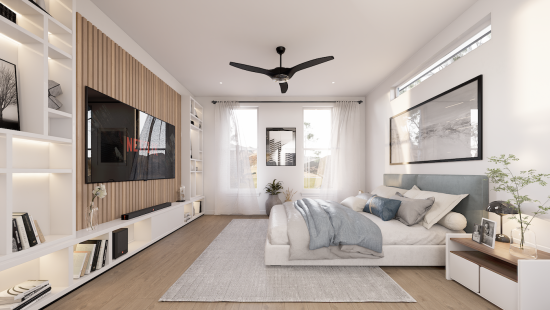
Factory-built and site-built ADUs can both deliver high-quality, permanent housing, but they differ in how they are constructed, coordinated, and managed. This article breaks down the practical differences homeowners should understand before choosing an approach. It explains how factory-built ADUs often offer greater predictability and consistency, while site-built ADUs provide flexibility for complex sites and custom designs. Readers will learn how site conditions, delivery access, cost structure, and long-term use goals influence outcomes. By understanding these trade-offs, homeowners can make informed decisions that support comfort, durability, and long-term value for their ADU investment....
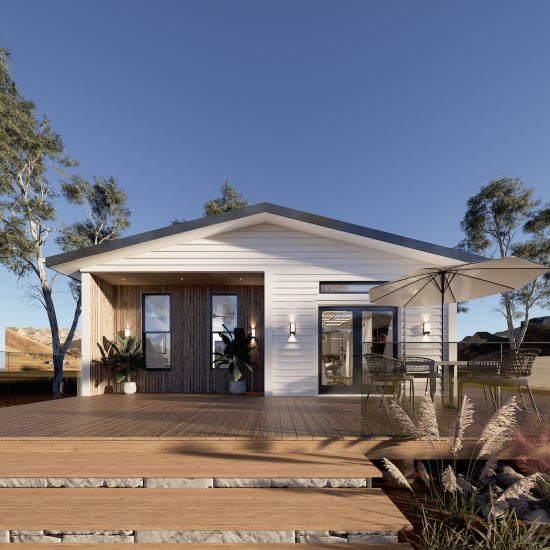
ADUs provide California homeowners with a unique opportunity to generate rental income while building long-term wealth. By adding a permitted secondary unit to an existing property, homeowners can create consistent cash flow, increase property value, and maintain flexibility across changing life stages. This article outlines how ADUs perform in competitive rental markets, why design and durability affect long-term returns, and how factory-built and modular approaches can improve predictability. It also explains why ADUs support multiple exit strategies, from rental income to family housing or downsizing. In California’s high-cost housing environment, ADUs have become a practical investment in stability and long-term financial resilience....
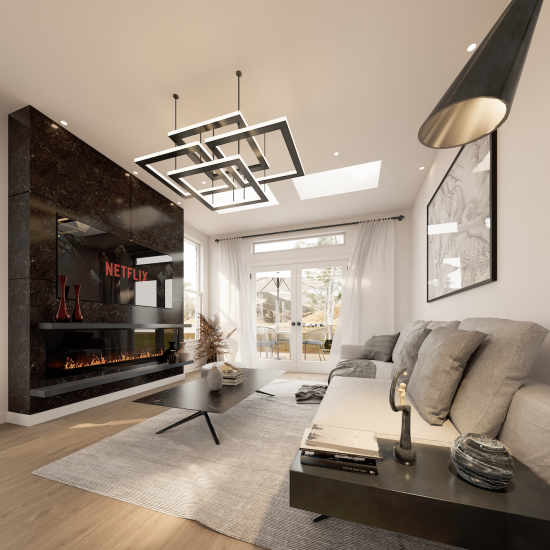
ADUs help families plan for aging in place and multigenerational living by creating an independent home on the same property as the primary residence. This article explains how ADUs balance proximity and privacy, allowing aging parents, adult children, or caregivers to live nearby without crowding the main home. It highlights key design priorities such as step-free access, safer bathrooms, single-level layouts, and comfortable circulation that supports long-term usability. The article also covers how factory-built and modular ADUs can improve predictability and reduce disruption. In California, ADUs provide flexible housing that can shift from family use to rental income as needs change....
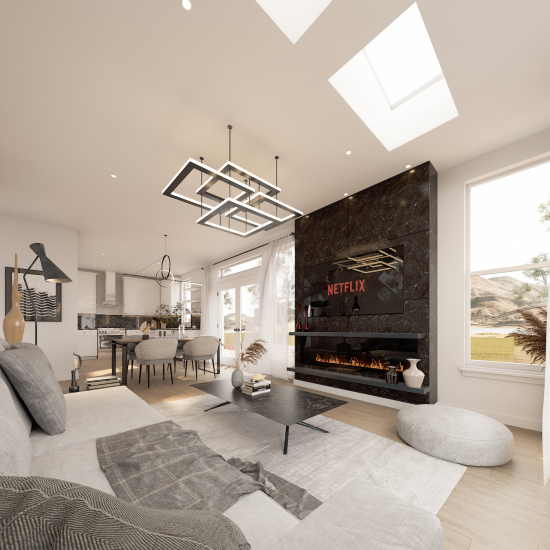
Accessory dwelling units offer California homeowners a long-term housing strategy that balances flexibility, affordability, and neighborhood compatibility. By adding housing on existing residential lots, ADUs help address housing shortages without relying on large-scale developments. This article explains how ADUs support multigenerational living, rental stability, aging in place, and future adaptability. It also outlines why factory-built and modular ADUs are becoming popular for predictable timelines and consistent quality. As housing needs evolve across California, ADUs provide homeowners with a durable solution that can shift between personal use, family housing, and rental income while preserving long-term property value....
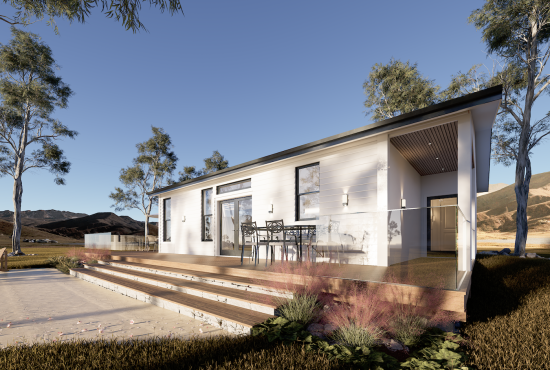
Accessory dwelling units give homeowners a flexible way to add housing without leaving their existing neighborhood. By creating a secondary living space on a single-family property, ADUs can support family members, generate rental income, or provide future housing options as needs change. This article outlines what qualifies as an ADU, why they are growing in popularity across California, and how different ADU types fit different goals. It also explains how thoughtful planning and design can help an ADU feel like a real home rather than an afterthought. In high-cost markets, ADUs have become a practical strategy for stability, flexibility, and long-term value....
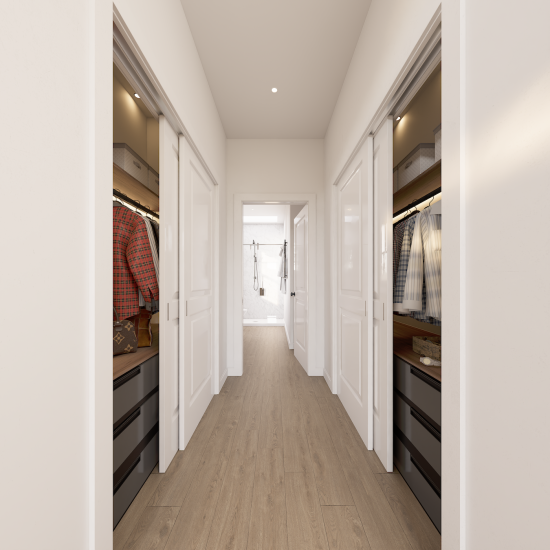
Factory-built homes offer Bay Area homeowners a more predictable and efficient way to add housing in a region defined by high costs and strict regulations. By shifting much of the construction process indoors, factory-built homes and ADUs can reduce on-site labor time while improving finish consistency and energy performance. This article outlines what homeowners should know about zoning, permitting, site conditions, and delivery logistics across San Jose, Silicon Valley, and surrounding counties. It also explains how factory-built homes can support long-term flexibility, rental income, and multigenerational living, making them a practical housing strategy in California’s most competitive markets....
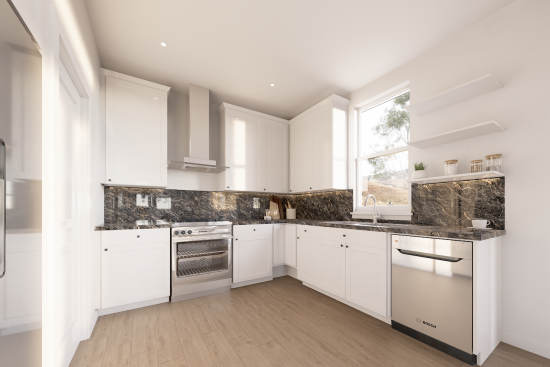
A home feels complete when its design, systems, and finishes work together seamlessly. Factory-built homes support this outcome by finalizing decisions earlier, protecting materials from weather exposure, and coordinating construction in a controlled environment. This reduces compromises that often arise during site-built projects, such as rushed finishes or inconsistent system placement. The article explains how disciplined sequencing, integrated mechanical planning, and consistent quality control create homes that feel finished, comfortable, and intentional. For homeowners and investors alike, this sense of completeness translates into fewer post-move-in issues, stronger long-term value, and a more satisfying ownership experience....
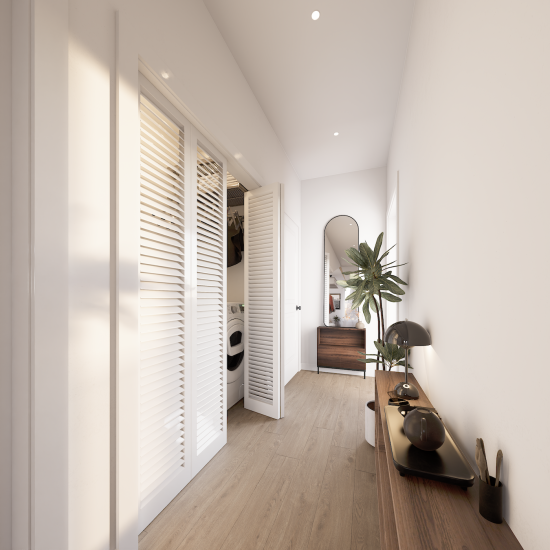
Aging in place and multigenerational living require homes that are safe, flexible, and designed for long-term use. Factory-built homes support these goals by allowing accessibility features, adaptable layouts, and energy-efficient systems to be integrated before construction begins. This reduces the need for future remodeling and helps families plan for changing needs with confidence. Whether supporting aging parents, adult children, or caregivers, factory-built homes balance independence and connection. In California’s challenging housing market, they offer a practical way to create stable, comfortable living environments that evolve over time while protecting both quality of life and long-term property value....