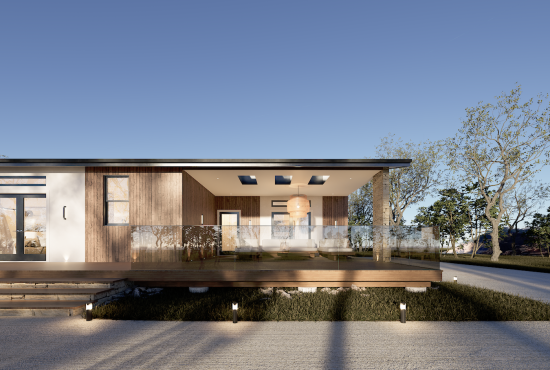
Modular ADU homes and prefab ADU homes both rely on off-site construction, but they differ in structure, permitting pathways, and predictability. This article breaks down how modular ADUs are built to residential building codes and assembled on permanent foundations, while prefab ADUs represent a broader category with varying levels of standardization. Homeowners will gain clarity on design flexibility, cost structure, energy efficiency, installation logistics, and long-term performance. By understanding these differences, California homeowners can make informed decisions about which ADU construction method best supports rental income, multigenerational living, and long-term property value.
...
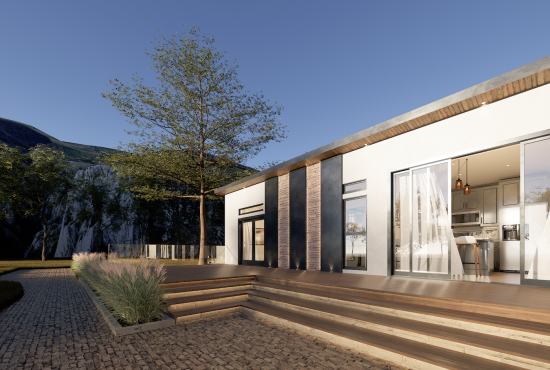
Factory-built ADU homes are permanent, code-compliant residences constructed primarily in a controlled factory environment and installed on-site. This article explains how factory-built ADUs differ from manufactured housing, why they offer predictable costs and consistent quality, and how they perform over time. It outlines key considerations such as design flexibility, energy efficiency, permitting coordination, site access, and installation. Homeowners will gain insight into how factory-built ADUs support rental income, multigenerational living, and long-term adaptability. By understanding the process and benefits, homeowners can evaluate whether a factory-built ADU is the right solution for their property and long-term housing goals.
...
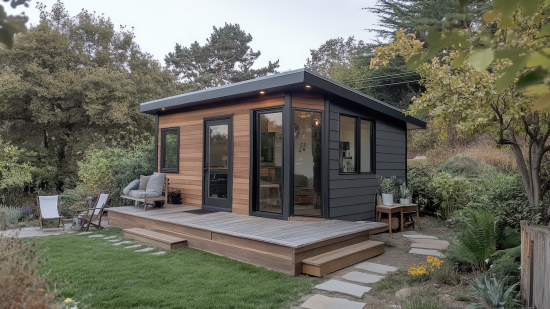
Choosing between an ADU home and a traditional home addition depends on how you define value. This article explains the key differences between the two options, including financial performance, lifestyle impact, permitting considerations, and long-term flexibility. It shows why traditional additions often serve immediate household needs, while ADUs create independent living space with rental and multigenerational potential. By understanding how each option affects property use, income opportunities, and resale appeal, homeowners can make informed decisions that support both present needs and future plans in California’s evolving housing market....
ADU homes, accessory dwelling unit California, what is an ADU, ADU meaning California, ADU planning guide, ADU zoning California, ADU permitting California, permit an ADU home, zoning for an ADU home, ADU rules California, ADU setback requirements, ADU height limits, ADU size limits California, ADU parking rules California, backyard ADU homes, garage conversion ADU, attached ADU California, detached ADU California, junior ADU California, ADU rental income California, ADU long term investment, multigenerational ADU homes, ADU aging in place, ADU for family housing, ADU for caregivers, factory built ADU homes, modular ADU homes, prefab ADU homes, factory built homes California, modular homes California, prefab homes California, energy efficient ADU homes, ADU operating costs, ADU construction cost California, ADU cost breakdown, ADU utilities and trenching, ADU electrical upgrade, ADU sewer connection, ADU design and permitting, ADU plan check California, ADU timeline California, San Jose ADU homes, San Jose ADU zoning, San Jose ADU permitting, San Jose factory built ADU, Silicon Valley ADU homes, Campbell ADU homes, Palo Alto ADU homes, Redwood City ADU homes, Cupertino ADU homes, Los Gatos ADU homes, Saratoga ADU homes, Sunnyvale ADU homes, Mountain View ADU homes, Santa Clara ADU homes, Milpitas ADU homes, Morgan Hill ADU homes, Gilroy ADU homes, Santa Cruz ADU homes, Santa Cruz County ADU, San Francisco ADU homes, Sacramento ADU homes, Sacramento County ADU, Santa Rosa County ADU homes, Sonoma County ADU homes, San Luis Obispo County ADU homes, Santa Barbara ADU homes, Los Angeles ADU homes, LA County ADU homes, Orange County ADU homes, San Diego ADU homes, California ADU builder, ADU feasibility review, ADU site constraints, ADU property value, ADU long term value...
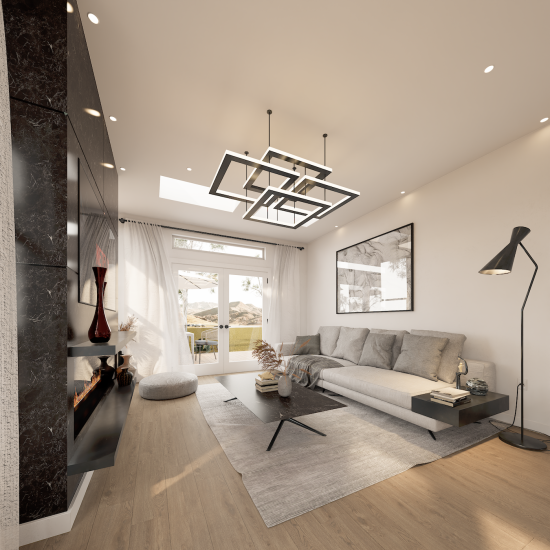
An ADU can feel like a real home when it is designed with intention rather than treated as leftover space. This article outlines the key design principles that make small homes comfortable and livable, including layout clarity, natural light, ceiling proportions, storage, privacy, and durable materials. It explains why residential design thinking matters even in compact footprints and how long-term use should guide every decision. Homeowners will gain insight into how design choices affect daily experience, rental appeal, and future adaptability. By applying these principles, an ADU becomes more than an addition. It becomes a permanent, welcoming home that supports comfort, independence, and long-term value....
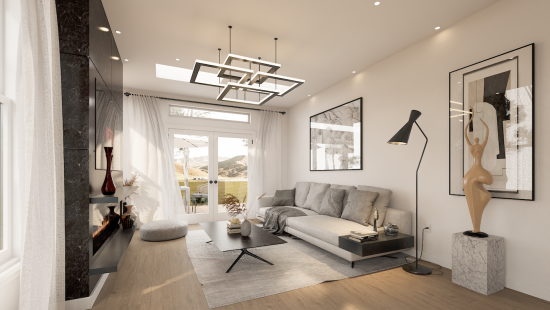
Choosing between a backyard ADU and a garage conversion ADU requires more than a surface-level cost comparison. This article explains how each option affects privacy, comfort, construction predictability, permitting complexity, and long-term flexibility. Backyard ADUs are often preferred for their home-like feel, rental performance, and adaptability, while garage conversions can work well when yard space is limited and the existing structure is suitable for residential use. By understanding the true advantages and limitations of each approach, homeowners can align their ADU decision with lifestyle needs, rental goals, and future plans, ensuring the added housing supports both immediate use and long-term property value....
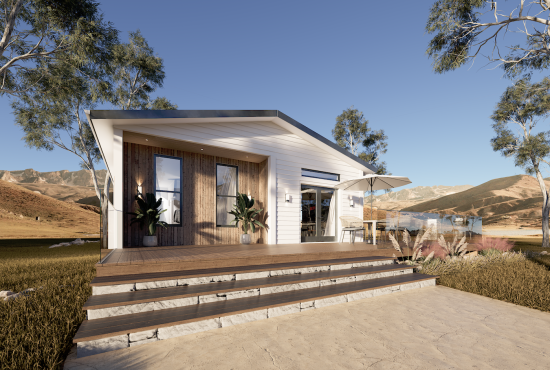
Understanding ADU zoning and permitting is essential for any homeowner planning to build in California. This article explains how state law enables ADU development while allowing cities to apply local standards for placement, size, and utilities. It outlines the typical permitting process, common zoning limitations, and the factors that most often affect approval timelines. Homeowners will also learn how factory-built and modular ADUs move through permitting and why early site evaluation reduces risk. By clarifying how zoning and permitting really work, this guide helps homeowners plan realistically, avoid common pitfalls, and move forward with ADU projects that are fully compliant and built for long-term success....
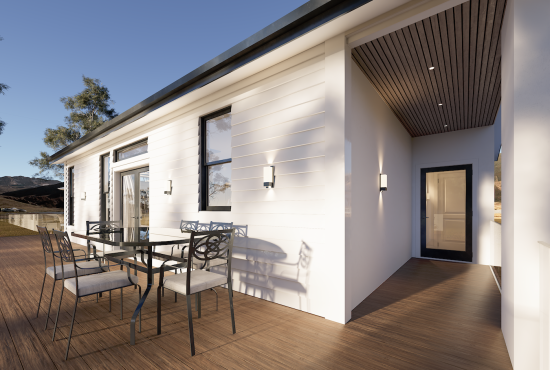
Building an ADU in California requires a clear understanding of total project cost, not just the price of the structure. This article walks homeowners through the major cost categories, including design, permitting, site work, utilities, construction, finishes, and operating expenses. It explains why ADU costs differ by location, property conditions, and construction method, and how factory-built and site-built approaches impact predictability. Readers gain insight into where cost overruns commonly occur and how early planning reduces risk. With a realistic budget and full-scope perspective, homeowners can build an ADU that delivers flexibility, performance, and long-term value....