
Garage conversion ADUs and backyard ADUs are both permitted under California law, but zoning rules affect them differently. This blog breaks down how existing garages benefit from setback exemptions and simplified parking requirements, while backyard ADUs must comply with current zoning standards for placement, height, and lot coverage. The article walks homeowners through the practical implications of each option, including permitting timelines and design limitations. Readers gain clarity on how zoning impacts cost, flexibility, and approval speed, allowing them to choose the most suitable ADU path based on their property conditions and future plans....
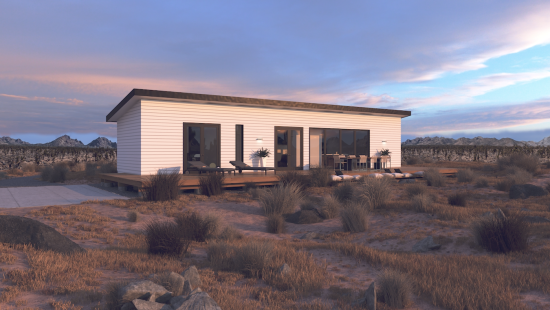
Zoning rules for setbacks, height limits, and lot coverage play a critical role in ADU feasibility and design. This article breaks down how each regulation applies to accessory dwelling units and why these rules differ across California cities and counties. It explains how setbacks determine placement, how height limits affect interior space and roof design, and how lot coverage can restrict overall building area. By understanding how these zoning factors work together, homeowners can plan ADUs more strategically, avoid permitting conflicts, and create designs that comply with local regulations while still meeting long-term housing goals....
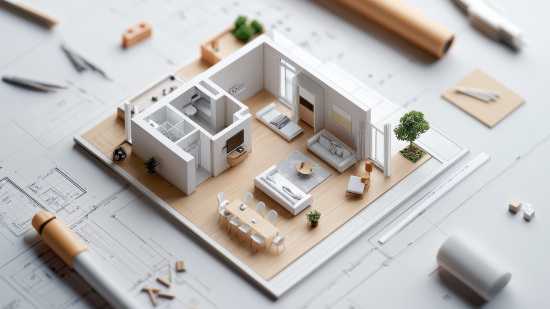
ADU permitting timelines in California can range from a few months to half a year or more, depending on location and project complexity. This article explores how the ADU permitting process works, what factors influence review speed, and why some projects move faster than others. It compares timelines by ADU type, highlights regional differences across California, and explains the most common causes of delay. By understanding realistic permitting expectations and the steps involved, homeowners can plan ADU projects more confidently and avoid unnecessary stress, redesigns, and scheduling disruptions....

Permitting is one of the most common sources of delay and frustration when building an ADU in California. This article breaks down the most frequent ADU permitting mistakes homeowners make and explains how small oversights can lead to redesigns, resubmittals, and extended timelines. It covers zoning assumptions, incomplete plans, utility coordination, fire and safety requirements, and unrealistic expectations around approval speed. With examples relevant to cities across California, this guide helps homeowners understand how permitting really works and how better preparation can save time, money, and stress while moving an ADU project forward with confidence....

city by city ADU zoning California, ADU zoning differences California, ADU zoning by city, California ADU zoning rules, ADU zoning guide California, zoning for an ADU home, ADU zoning laws California, accessory dwelling unit zoning, ADU placement rules, ADU setbacks California, ADU height limits California, ADU size limits California, ADU parking rules, ADU zoning overlays, ADU coastal zoning, ADU wildfire zoning, WUI ADU zoning, factory built ADU zoning, modular ADU zoning, prefab ADU zoning, ADU permitting and zoning, ADU planning California, ADU feasibility zoning, ADU approval process, ADU housing California, ADU homes California, San Jose ADU zoning, San Jose ADU rules, Silicon Valley ADU zoning, Campbell ADU zoning, Palo Alto ADU zoning, Redwood City ADU zoning, Cupertino ADU zoning, Sunnyvale ADU zoning, Mountain View ADU zoning, Santa Clara ADU zoning, Los Gatos ADU zoning, Santa Cruz ADU zoning, Santa Cruz County ADU zoning, San Francisco ADU zoning, Bay Area ADU zoning, Sacramento ADU zoning, Sacramento County ADU rules, Santa Rosa County ADU zoning, Sonoma County ADU zoning, San Luis Obispo County ADU zoning, Santa Barbara ADU zoning, Los Angeles ADU zoning, LA County ADU rules, Orange County ADU zoning, San Diego ADU zoning, California ADU builder, ADU zoning consultant, ADU zoning compliance, long term ADU planning California...
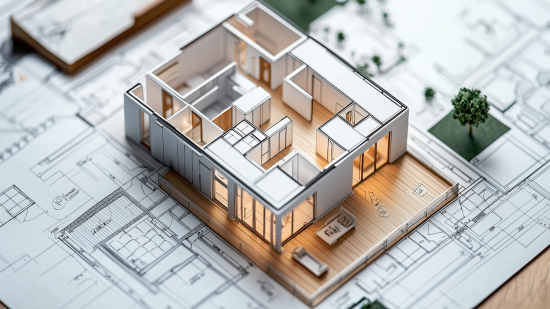
California has made ADU zoning more permissive, but local rules still shape what homeowners can build. This article provides a clear explanation of how ADU zoning works, from statewide laws that protect homeowner rights to city and county regulations that govern placement, size, height, and parking. It explains common zoning misconceptions, differences between conversions and new construction, and how zoning overlays such as coastal or wildfire zones may affect projects. By understanding zoning early, homeowners can avoid costly mistakes and plan ADUs that comply with regulations while maximizing long-term value and usability....
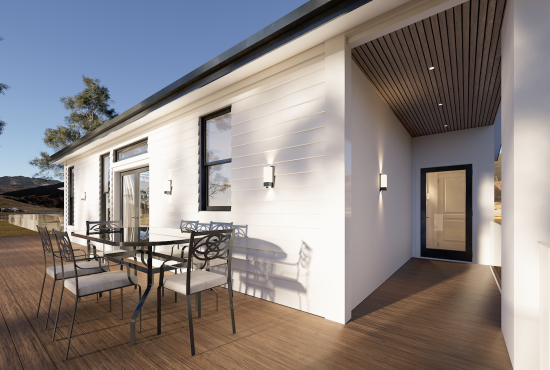
ADU homes offer families a flexible way to support aging in place and multigenerational living without sacrificing independence or comfort. This article outlines how accessory dwelling units provide private, accessible housing for aging parents, adult children, and caregivers while keeping families close. It covers key considerations such as accessibility planning, privacy between households, layout design, storage, energy efficiency, and long-term adaptability. By focusing on thoughtful design rather than minimum requirements, ADUs can remain livable and valuable for decades. This synopsis highlights how ADUs help families plan ahead, reduce stress, and create stable housing solutions that grow with changing life stages....

ADU homes designed for long-term living must balance comfort, efficiency, privacy, and adaptability. This article explains how thoughtful design choices influence how an ADU performs over decades, not just at move-in. Topics include layout planning, storage, accessibility, energy efficiency, material durability, and privacy between households. It also explores how factory-built and modular ADUs support consistent quality for long-term use. Homeowners considering ADUs for family housing or rental income will gain practical insight into creating a space that feels like a real home and continues to add value as needs change over time....