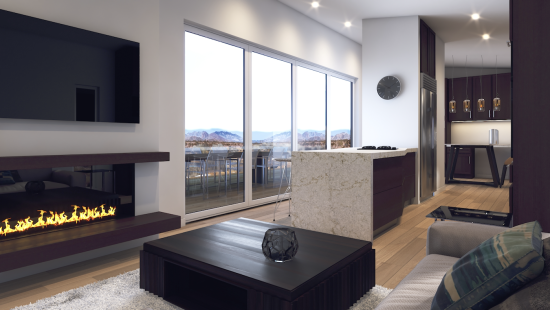
Financing an ADU can feel overwhelming without clear guidance. This blog breaks down the most common ways California homeowners finance ADU homes, including equity based loans, construction loans, and refinancing strategies. It explains how banks assess risk, how rental income is treated, and how project scope influences loan choice. The article also highlights why factory built ADUs often align well with lender expectations and how financing works in fire rebuild situations. Readers gain a practical framework for choosing an ADU financing approach that balances flexibility, predictability, and long term financial stability....
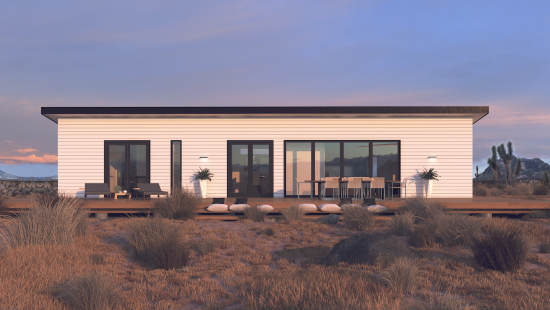
Financing an ADU requires choosing a loan structure that matches project complexity and homeowner risk tolerance. This blog compares construction loans and HELOCs, explaining how each supports ADU homes differently. It details approval requirements, cost predictability, draw schedules, and flexibility. The article also highlights how factory-built ADUs and fire rebuild projects influence financing decisions. Readers learn when structured construction loans offer better oversight and when HELOCs provide valuable flexibility. By understanding these distinctions, homeowners can select a financing approach that supports smooth construction and long-term financial stability....

Financing an ADU can feel complex, especially for homeowners unfamiliar with construction lending. This blog explains how bank loans support ADU homes by outlining equity-based loans, construction financing, and refinancing options. It describes how lenders assess risk, review project documentation, and evaluate property value. The article also highlights why factory-built ADUs often align well with lender requirements and how financing works in fire rebuild scenarios. Readers gain practical guidance on preparing for loan applications and selecting a financing approach that supports smooth construction and long-term financial stability....
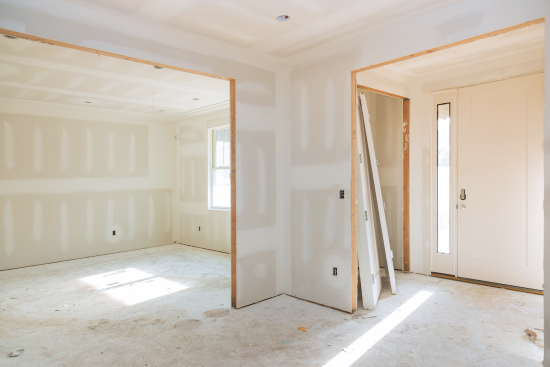
California’s housing shortage demands solutions that can be implemented quickly and responsibly. This blog explores how modular homes help increase housing supply by shortening construction timelines, improving cost predictability, and supporting small-scale development such as ADUs and infill housing. It explains how modular construction aligns with zoning requirements, enhances quality control, and supports energy efficiency and fire resilience. Readers learn why modular homes are increasingly used by homeowners and communities seeking balanced growth. The article provides a clear framework for understanding how modular housing can play a meaningful role in expanding housing availability throughout California....
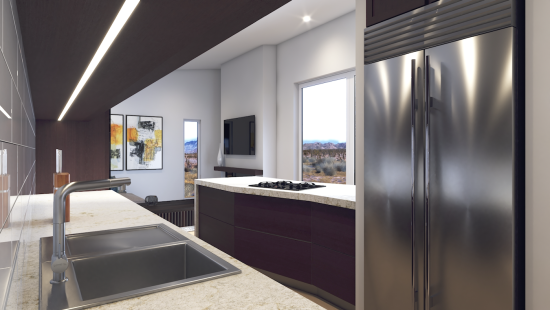
Urban infill and ADU lots present unique challenges, including limited access, strict zoning, and close proximity to neighbors. This blog examines how factory-built homes help overcome these obstacles by reducing on-site construction, improving scheduling predictability, and aligning early with zoning requirements. It explains how standardized design, efficient delivery, and coordinated utility planning benefit small lots and dense neighborhoods. Readers learn why factory-built homes are increasingly used for ADU projects and urban infill housing, and how this approach supports cost control, neighborhood compatibility, and long-term housing flexibility in California....
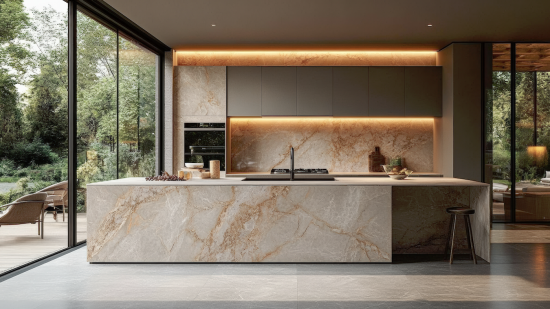
Energy efficiency is a major concern for California homeowners facing rising utility costs and stricter building standards. This blog explains why factory-built homes often deliver stronger energy performance by focusing on precision construction, consistent insulation, effective air sealing, and right-sized mechanical systems. It compares these advantages to the challenges of achieving the same results on an open jobsite. The article also addresses how ADU homes and fire rebuild projects benefit from lower operating costs and improved comfort. Readers gain practical insight into why energy efficiency is one of the strongest long-term advantages of factory-built housing....
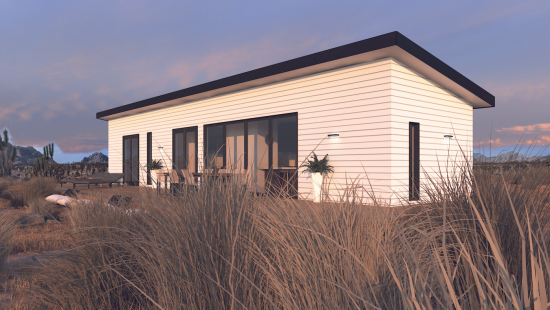
Rising construction costs and schedule uncertainty have made predictability a top priority for California homeowners. This blog breaks down how factory-built homes achieve clearer budgets by locking in scope early, controlling production environments, and reducing exposure to weather and labor volatility. It compares these advantages to traditional site-built construction, where change orders and delays often impact final pricing. The article also explains how ADU homes and fire rebuild projects benefit from clearer cost alignment with financing and insurance. Readers gain a practical understanding of why predictability matters and when factory-built construction may be the better fit....
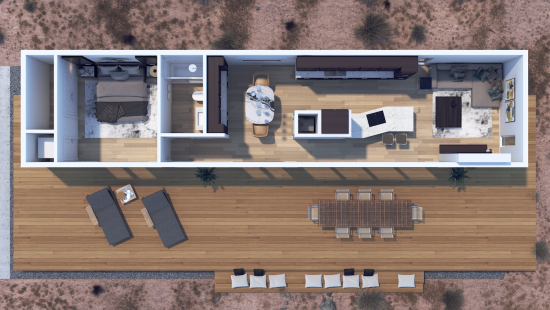
California homeowners are increasingly weighing factory-built homes against traditional site-built construction due to rising costs, labor constraints, and permit uncertainty. This article breaks down how each method impacts budget control, timeline variability, inspections, and quality consistency. It explains why factory-built projects may feel more predictable when planning ADU homes or rebuilding after wildfire loss, while site-built projects may better support complex sites and highly custom architecture. Readers learn where costs commonly change in California, how utility planning influences both approaches, and what factors most strongly determine which method will deliver a smoother build and better long-term value....