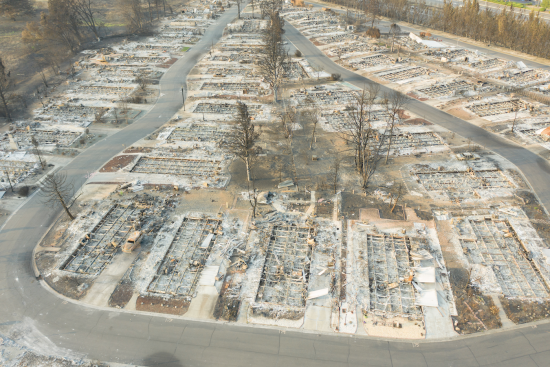
Housing quality improves when proven systems replace improvisation. This overview outlines how standardization supports better construction outcomes by reducing variability and reinforcing best practices. It explains how standardized design, components, and workflows improve durability, energy performance, and maintenance predictability. The article also addresses common misconceptions, showing how standardization can coexist with strong design identity. By raising the baseline of execution, standardization delivers homes that feel more consistent, dependable, and valuable over the long term. The focus is on quality that is repeatable, measurable, and beneficial for homeowners....
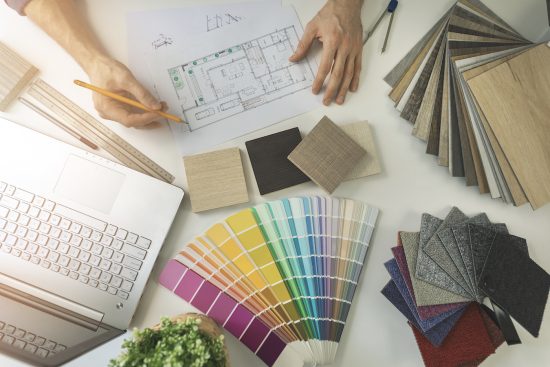
Housing needs no longer remain static, and home design is responding. This overview explains how flexible housing footprints allow homes to evolve with changing work, family, and financial conditions. It highlights why adaptability matters more than square footage and how layouts, ADUs, and construction methods support long term flexibility. The article also explores the relationship between flexible design and resale value, showing how adaptable homes appeal to a broader buyer pool. Rather than designing for a single lifestyle, flexible footprints create resilience and stability. The result is housing that supports daily living today while remaining prepared for the changes that come tomorrow....
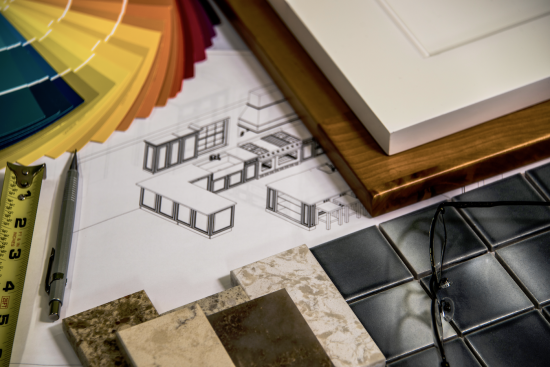
Maintenance is one of the most significant long term costs of homeownership, and construction method plays a central role in shaping it. This overview outlines how the way a home is built affects alignment, moisture exposure, system access, and finish durability over decades of use. It contrasts the variability of traditional site built construction with the controlled precision of factory built and modular methods. The article highlights how consistent assembly, reduced weather exposure, and coordinated systems can lower maintenance frequency and improve predictability. Rather than viewing maintenance as unavoidable, the blog shows how thoughtful construction choices can reduce disruption, extend component lifespan, and support long term affordability. The result is a clearer understanding of how construction method influences not just how a home is built, but how it performs and ages over time....

Housing design has a direct and lasting impact on operating costs. This overview explains how early design decisions affect energy consumption, maintenance frequency, and system durability over decades of ownership. It outlines how efficient envelopes, right-sized mechanical systems, thoughtful plumbing layouts, and durable materials contribute to lower monthly expenses and fewer unexpected repairs. The article also discusses how factory-built and modular construction methods support consistent performance and cost control. Rather than focusing only on upfront construction price, the blog encourages a long-term perspective that evaluates design as an investment in stability and affordability. The result is a clearer understanding of how smart design choices can significantly reduce the true cost of owning and living in a home....
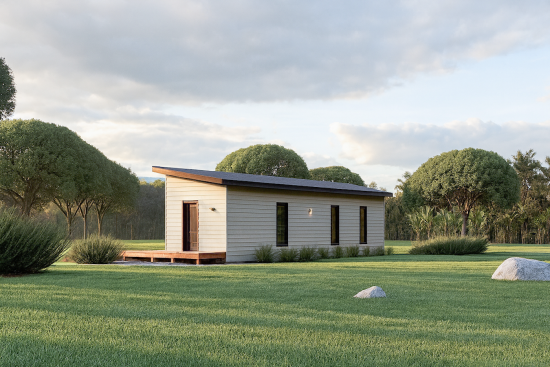
Homeowners are increasingly choosing phased building strategies to gain control over cost, timing, and decision making. This overview outlines how breaking construction into defined stages reduces financial strain, simplifies permitting, and minimizes disruption. It highlights the role of early planning, adaptable design, and factory-built construction in supporting phased execution. The article also explains how living with an initial phase can inform future improvements, leading to better long-term outcomes. Rather than committing to a single, inflexible project, phased building allows homes to evolve alongside changing needs. The takeaway is clear: phased strategies offer a practical, resilient approach to modern homebuilding....
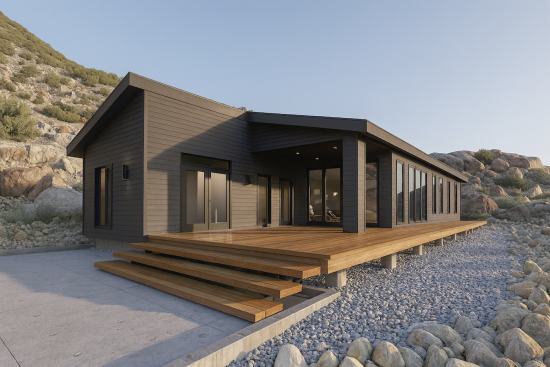
High cost regions are redefining how housing uses land. This overview explains how small lot housing has evolved in response to rising prices, limited space, and shifting lifestyles. It traces the role of zoning changes, design innovation, and factory-built construction in making compact homes more functional and desirable. The article also explores how small lot housing contributes to affordability, community acceptance, and efficient infrastructure use. Rather than a short-term fix, small lot housing represents a long-term adjustment to urban realities. When thoughtfully planned, it offers a way to increase housing supply while maintaining livability and neighborhood identity in high cost regions....
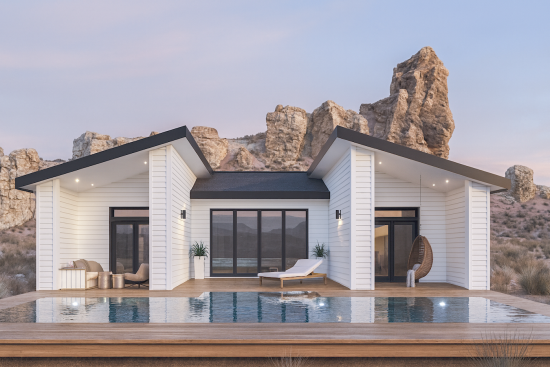
As climate risk intensifies, modern housing is evolving to meet new environmental realities. This overview outlines how homes are being designed to withstand wildfires, floods, heat waves, and extreme weather without sacrificing livability. It highlights the role of resilient materials, passive design strategies, and factory-built construction in improving durability and predictability. The article also examines how adaptable systems and faster recovery timelines support homeowners and communities after disasters. Rather than reacting to risk, modern housing integrates resilience from the start, creating homes that perform reliably under stress. The takeaway is clear: climate-aware design is becoming a fundamental requirement for long-term housing success....

California’s housing future depends on adding homes without sacrificing the character of existing neighborhoods. This overview outlines how density can be reimagined through small, intentional interventions rather than large, disruptive projects. The article highlights the role of ADUs, thoughtful design, and incremental growth in creating housing that blends seamlessly into established communities. It also addresses common concerns around privacy, scale, and infrastructure, showing how these challenges can be managed through planning and context-sensitive design. The takeaway is clear: density does not have to mean loss. When handled thoughtfully, it can preserve neighborhood identity while expanding housing opportunity and resilience....