Aging in place works best when a home supports independence, not just proximity. This blog explains how ADUs help older adults stay on their property or near family without giving up privacy, routines, or dignity. It breaks down the design choices that matter most, including step-free entry, comfortable circulation, safe and normal-feeling bathrooms, real kitchen function, and storage that reduces clutter and fall risk. You will also learn how sound control, window placement, and a defined outdoor area can protect autonomy in a shared-lot setting. The article covers future-ready accessibility details that can stay invisible until needed, plus why durable systems and low-maintenance materials improve long-term comfort. It closes with how factory-built ADUs can support predictable quality when paired with thoughtful planning and site coordination....

This blog explores why ADUs continue to gain momentum as a long-term value tool for both homeowners and investors. It breaks down the difference between short-term rent math and true long-term performance, including flexibility, household stability, and the ability to shift between family use, rental use, and future resale positioning. You will see how quality design influences rental durability through privacy, sound control, storage, natural light, and real kitchen function, and why total cost of ownership can make or break returns. The article also addresses appraisal and comp realities, how ADUs can reduce vacancy risk by diversifying income streams, and why factory-built or modular construction can support predictable results when coordinated early. The takeaway is simple: build an ADU that lives well, and it tends to hold value well....
Many ADUs meet code but still feel like secondary spaces because the design does not prioritize daily living. This article explains how to design an ADU that reads and functions like a primary residence, even on a smaller footprint. It focuses on the essentials that shape comfort over time: clear layout flow, kitchens that support real cooking, bathrooms with practical clearances, storage that prevents clutter, and natural light that changes the feeling of space. It also addresses privacy and sound control, two factors that heavily influence whether a resident can truly relax. The blog closes with guidance on durable material choices and how coordinated delivery methods, including factory-built and modular approaches, can help produce consistent results. The takeaway is simple: when an ADU is designed with the same care as a main home, it becomes a real home, not just extra space....
Single-family neighborhoods are evolving as more homeowners add ADUs to create flexible living space on existing lots. This blog explores how ADUs reshape communities through gentle density, meaning more homes without dramatic changes to the street. It explains why ADUs have expanded, how they support rental housing and multi-generational living, and what responsible planning looks like when addressing parking, privacy, utilities, and neighborhood character. You will also see why design choices such as placement, window orientation, landscaping, and outdoor space zones can reduce friction and help an ADU feel like a respectful addition rather than an intrusion. The article closes with a look at how modular and factory-built ADUs can offer more predictable results when design and permitting are coordinated early, helping neighborhoods adapt to housing realities with less disruption....
California’s housing shortage requires solutions that can scale without waiting for large projects to clear years of approvals. ADUs have become central because they use existing lots, fit into established neighborhoods, and can deliver new homes with a more direct path through planning and construction. This article outlines why policy makers and communities increasingly view ADUs as a practical strategy, not a side option. It explains how ADUs support homeowner stability through rental income, downsizing, and multigenerational living, while also adding missing-middle housing choices that many neighborhoods lack. The blog also highlights how better design standards are improving acceptance and long-term value, and why modular and factory-built approaches can reduce schedule risk when coordinated well. The takeaway is that ADUs are helping California add housing in a way that feels achievable, flexible, and neighborhood-compatible....
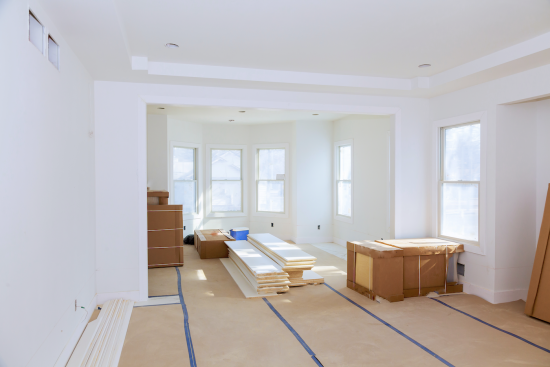
One-off homebuilding struggles in California because each project becomes a prototype, increasing variability in cost, schedule, and quality. This article argues that the state needs systems, not isolated solutions, to deliver housing more reliably. It explains how systems improve outcomes through standardized assemblies, disciplined sequencing, coordinated predevelopment, and built-in quality checkpoints for air sealing, insulation, and waterproofing. The article highlights factory-built and modular construction as strong examples of system thinking, since controlled environments and repeatable workflows support precision and verification. It also shows why ADUs benefit from systemized delivery, where homeowners need predictable budgets, faster on-site timelines, and fully residential comfort. The takeaway is simple: systems protect homeowners from surprises and help California produce housing that performs well for decades....
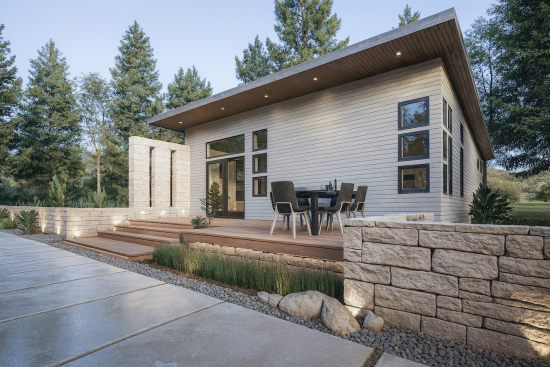
The next decade of California homebuilding will be shaped by rising performance expectations and tighter delivery constraints. This article outlines how systemized construction and factory-built methods can improve quality control, reduce jobsite variability, and support more predictable timelines. It explains why ADUs and gentle density are becoming standard responses to real family needs, including rental income, multigenerational living, and flexible work space. The article also explores climate-responsive design as a baseline expectation, emphasizing stronger envelopes, shading strategies, and ventilation planning for heat events and smoke season. Insurance and permitting are addressed as planning factors that increasingly influence feasibility and long-term value. The takeaway is practical: homeowners who plan early, prioritize durability, and choose disciplined delivery methods will be best positioned for California’s evolving housing reality....
The new economics of California homebuilding reward teams that reduce uncertainty. This overview summarizes the modern drivers behind cost and timeline, including permitting delays, higher borrowing costs, tight trade availability, volatile lead times for key materials, and the outsized influence of site work and utilities. It also explains why energy compliance, structural coordination, and wildfire resilience are now closely linked to both budget and insurability. For ADUs, the focus shifts even more toward speed to occupancy, since each month of delay can reduce annual yield. Readers will see why predictability is emerging as a new form of luxury and how a well documented, systemized process can protect both timeline and cash flow. The outcome is a smarter path to a home that performs well and holds value over time....