How Thoughtful Design Improves Daily Living, Not Just Aesthetics
By Joy Line Homes
Design is often judged by how a space looks in photos. Clean lines, attractive finishes, and modern details tend to dominate conversations about quality. While aesthetics matter, they represent only a fraction of what good design actually delivers. The most impactful design decisions are the ones that quietly improve how a home functions every single day.
Thoughtful design shows up in how easily you move through a space, how comfortable it feels throughout the day, and how little friction exists in daily routines. These qualities are not always obvious at first glance, but they shape long-term satisfaction far more than surface-level style.
Homes designed with daily living in mind feel easier to inhabit. They reduce stress, support changing needs, and allow people to focus on living rather than working around limitations. A well-designed home does not demand attention. It supports life in subtle but meaningful ways.
Design That Anticipates Real Life
Daily life is repetitive. We cook, clean, work, rest, host guests, and store belongings every day. Thoughtful design anticipates these routines and removes obstacles before they become frustrations.
This begins with circulation. Clear paths between rooms reduce congestion and make movement feel natural. Kitchens that allow two people to work without bumping into each other feel calmer. Entry areas that provide a place for shoes, bags, and coats prevent clutter from spreading throughout the home.
Design that anticipates real life also accounts for moments of change. Guests arrive. Schedules overlap. Children grow. Work patterns shift. Homes that are planned with flexibility absorb these changes more gracefully than homes designed around a single snapshot in time.
Comfort Is a Design Outcome
Comfort is not accidental. It is the result of many coordinated decisions that influence temperature, sound, light, and movement.
Homes that maintain stable indoor temperatures feel more comfortable even when outdoor conditions fluctuate. This stability is achieved through insulation, air sealing, window placement, and thoughtful shading. When comfort is consistent, occupants are less aware of mechanical systems running and more able to relax.
Acoustic comfort is another often overlooked factor. Thoughtful design considers how sound travels between rooms and from outside. Proper insulation, door selection, and layout decisions reduce unwanted noise and support concentration and rest.
Quiet Supports Well-Being
Homes that feel quiet encourage better sleep, improved focus, and a greater sense of calm throughout the day.
Natural Light Shapes Daily Experience
Light affects mood, energy levels, and overall health. Thoughtful design prioritizes natural light not as a decorative feature but as a functional necessity.
Well-placed windows distribute daylight evenly rather than concentrating it in one area. This reduces glare, supports circadian rhythms, and makes spaces feel larger and more inviting. Light in kitchens and living areas supports daytime activity, while softer light in bedrooms promotes rest.
Design that manages light carefully also considers privacy and heat gain. Clerestory windows, overhangs, and strategic orientation allow daylight to enter without creating discomfort or exposure.
Storage That Prevents Daily Friction
Clutter is rarely a personal failure. It is usually a design failure. When homes lack adequate storage, belongings spill into living spaces and create visual noise.
Thoughtful design integrates storage where it is needed most. Entry storage keeps daily items contained. Kitchen storage supports real cooking rather than idealized layouts. Bedroom storage allows clothing and personal items to be organized without overcrowding the room.
When storage is built into the architecture, the home feels calmer and easier to maintain. Daily cleanup becomes faster, and the space feels more generous even without additional square footage.
Kitchens Designed for Use, Not Just Display
The kitchen is one of the clearest indicators of whether a home is designed for living or for show. A beautiful kitchen that is difficult to use quickly becomes a source of frustration.
Thoughtful kitchen design prioritizes workflow. Clear relationships between sink, cooktop, and storage reduce unnecessary movement. Counter space is placed where it is actually needed. Lighting supports tasks rather than creating shadows.
These decisions improve daily life in small but cumulative ways. Cooking feels less rushed. Cleanup is easier. The kitchen becomes a place people want to spend time rather than a space that demands constant adjustment.
Durability Matters Every Day
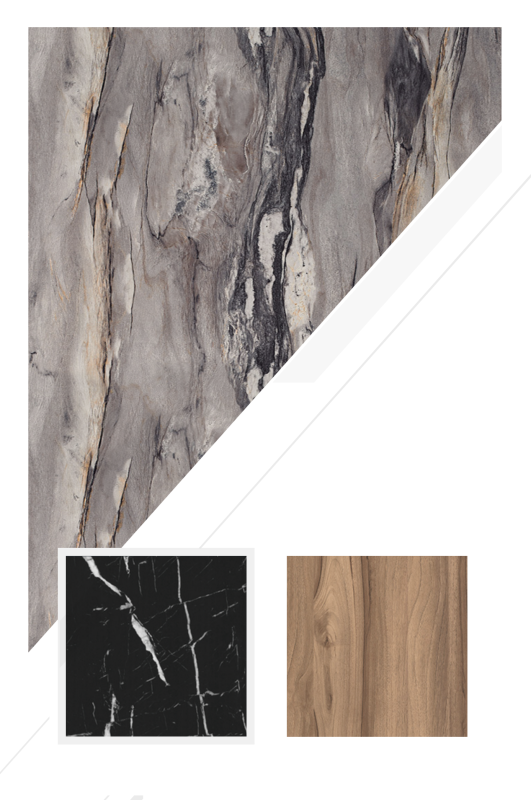
Materials that resist wear and clean easily reduce maintenance and preserve the feeling of quality over time.
Bathrooms That Support Routine
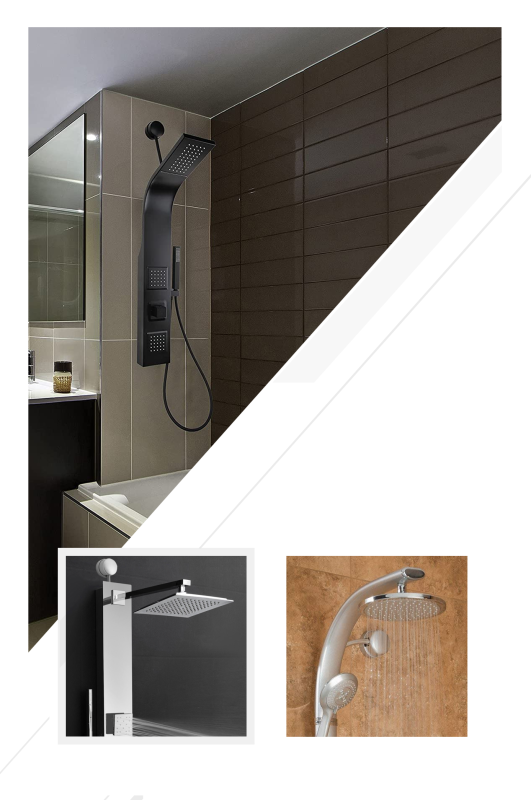
Bathrooms are deeply tied to daily routines. Poorly designed bathrooms slow down mornings and create stress.
Thoughtful bathroom design includes adequate clearances, practical storage, good lighting, and effective ventilation. These elements make everyday use smoother and reduce maintenance issues.
Bathrooms that feel comfortable and easy to use contribute to a sense of dignity and privacy that is essential for long-term satisfaction.
Layout That Adapts Over Time
Homes that improve daily living are rarely rigid. They are designed to adapt as needs change.
Flexible rooms can shift from office to bedroom, from guest space to hobby room, without renovation. Clear structural planning allows these changes to happen with minimal disruption.
This adaptability reduces future costs and prevents the home from becoming outdated as lifestyles evolve.
Outdoor Space as an Extension of Daily Life
Thoughtful design extends beyond the interior. Outdoor spaces that are easy to access and comfortable to use become part of daily routines.
A small patio or deck can support morning coffee, evening relaxation, or remote work breaks. When outdoor space feels intentional and private, it adds real value to everyday living.
Strong indoor and outdoor connections also make homes feel larger and more dynamic without increasing square footage.
Energy Performance Improves Everyday Comfort
Energy efficiency is often discussed in terms of savings, but its daily impact is comfort.
Homes with strong envelopes maintain even temperatures, reduce drafts, and limit overheating. These qualities improve comfort in every season and reduce reliance on mechanical systems.
Lower energy demand also supports resilience during outages and peak demand periods, which further enhances daily living.
Technology That Supports Life Seamlessly
Technology should support daily living without dominating it. Thoughtful design integrates power, data, and lighting in ways that feel natural.
Outlets are placed where people actually use devices. Lighting controls are intuitive. Connectivity is reliable throughout the home.
When technology infrastructure is planned early, homes avoid cluttered solutions and remain adaptable as needs change.
ADUs and Secondary Spaces
Accessory dwelling units and secondary spaces benefit greatly from thoughtful design. When planned with the same care as a primary home, these spaces support daily living rather than feeling secondary.
Good layout, light, storage, and sound control allow ADUs to function as real homes for family members, guests, or renters.
This consistency improves long-term usability and value.
Factory-Built and Modular Approaches
Factory-built and modular construction often support thoughtful design through early coordination.
When systems, layouts, and details are resolved upfront, the resulting home tends to perform more predictably. Quality control and consistency support daily comfort and durability.
Design quality depends on intention, but controlled construction environments can help deliver it reliably.
Aesthetics Follow Function
Homes that work well tend to look good longer. When spaces are proportioned correctly and materials are chosen for durability, aesthetics age gracefully.
Thoughtful design reduces the need for frequent updates because the home continues to feel relevant and comfortable.
Conclusion
Thoughtful design improves daily living in ways that go far beyond appearance. It supports routines, comfort, flexibility, and long-term satisfaction.
Homes designed with care reduce friction, adapt to change, and allow occupants to focus on living rather than managing limitations. While aesthetics may draw attention, it is thoughtful design that sustains quality of life day after day.
About Joy Line Homes
Joy Line Homes designs factory-built and modular homes that prioritize comfort, livability, and long-term value.
Visit AduraAdu.com to explore housing and ADU planning resources.
Let's Get Started
Please Select the form that applies to you by selecting the appropriate tab above.
We are based in San Jose County ,
California
Tel: (831) 888-Home
Email: info@joylinehomes.com
Business Hours: 9am - 6pm