The Difference Between a Well-Designed ADU and a Basic Backyard Unit
By Joy Line Homes
Across California, accessory dwelling units have moved from a niche housing option to a mainstream strategy. Homeowners build ADUs for rental income, multigenerational living, guest space, or long-term flexibility. As ADUs become more common, so does a very real difference in outcomes. Some backyard units feel like comfortable, complete homes. Others feel like temporary add-ons that meet the minimum requirements but never quite feel right.
This difference is rarely about square footage alone. A well-designed ADU can feel spacious, calm, and highly functional even on a small footprint. A basic backyard unit can feel tight, loud, dark, or awkward even if it technically checks every box for code compliance. What separates the two is design intent, planning discipline, and the willingness to treat the ADU as a true residence rather than a leftover space.
Understanding the gap between a well-designed ADU and a basic backyard unit helps homeowners make better decisions early. It also helps prevent the most common regret in ADU projects: building something that looks fine at first, but becomes frustrating to live in, harder to rent, and more expensive to maintain over time.
A Real Home Mindset Versus a Minimum Standard Mindset
The first distinction is mindset. A well-designed ADU starts with the assumption that someone will live there full-time and deserves the same dignity, comfort, and daily ease as they would in a primary residence. That mindset shapes every choice, from the entry experience to the kitchen layout to the way storage is integrated.
A basic backyard unit often starts with a different goal: get it permitted, get it built, and keep the cost as low as possible. Budget discipline matters, but when the project is driven solely by minimum standards, design compromises tend to pile up. Each compromise may seem small, but together they change the lived experience.
When an ADU is treated like a real home from the beginning, it becomes easier to prioritize the things that actually matter. Comfort, light, privacy, and long-term functionality are not luxuries. They are what make a small home successful.
The Entry and Arrival Experience
One of the fastest ways to feel the difference between a well-designed ADU and a basic unit is the arrival. A well-designed ADU has an entry that feels intentional. The pathway is clear. The door placement makes sense. The entry is sheltered or thoughtfully framed. There is a sense of welcome, even if the unit is compact.
A basic backyard unit may have an entry that feels like an afterthought. The door might open directly into the kitchen with no transition. The approach might cross private zones of the main house. The entry may be exposed to weather without protection. None of these issues are fatal, but they communicate that the unit was not designed around the resident’s daily experience.
Entry planning is also tied to privacy. A well-designed ADU considers how two households move around the property. The best projects reduce accidental overlap by creating distinct routes and clear boundaries. That privacy makes the ADU easier to rent and easier to live with long-term.
Space Planning That Supports Daily Life
Space planning is where the gap becomes most obvious. A well-designed ADU feels organized. The living area, sleeping area, kitchen, and bathroom each have enough room to function without constant compromise. Circulation is clean. Furniture fits where it should. There is a sense of calm because the space is not fighting the resident.
A basic backyard unit often suffers from cramped circulation and awkward layout choices. You may see narrow pinch points, doors that collide, tight kitchens with limited counter space, and bathrooms that feel squeezed. The unit might technically work, but the user experience is tiring over time.
The Difference Between “Open Plan” and “Unplanned Open”
Many basic units rely on an open plan to make the space feel bigger. An open plan can be excellent when it is designed with intention. The problem is when openness becomes a way to avoid thoughtful zoning. A well-designed ADU may be open, but it still creates subtle separation through furniture placement, ceiling changes, window positioning, and clear circulation routes.
In a basic unit, everything may share one undifferentiated room. The bed, sofa, kitchen, and entry may all collide visually. That can feel temporary, like living in a converted room rather than a home. A well-designed unit creates distinct zones even when the walls are minimal.
Natural Light and Ventilation Strategy
Light is not decoration. It is one of the most powerful design tools for comfort and perceived space. Well-designed ADUs plan light early by considering orientation, window placement, privacy constraints, and how daylight moves through the interior. They often use more than one type of daylight source, such as larger windows in living zones and higher windows where privacy is needed.
Basic backyard units often have windows that are placed late in the process or sized only to satisfy minimum requirements. The result can be a home that feels dim, especially in the center of the plan. This is common when setbacks, neighboring windows, or fence lines limit openness. Good design solves these constraints creatively. Basic design often simply accepts them.
Ventilation is equally important. A well-designed ADU has operable windows placed for cross-breezes, a kitchen hood that actually vents properly, and bathroom ventilation that manages moisture. Basic units may meet code but still feel stuffy, loud, or prone to lingering humidity.
Kitchens That Function Like Real Kitchens
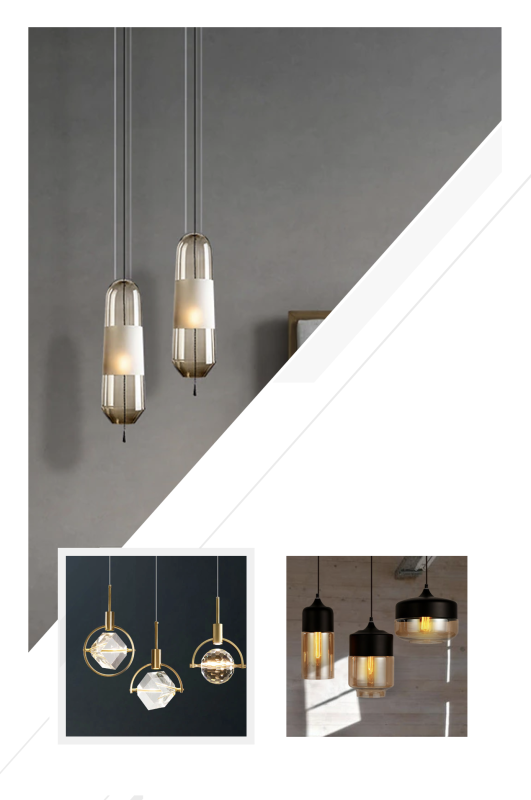
Kitchens tend to reveal whether an ADU was designed for daily living or for simple compliance. A well-designed ADU kitchen supports real cooking. It has a clear work triangle or work zones, reasonable counter space, functional storage, and a layout that makes sense for appliances. It also includes lighting that supports food prep, not just ambiance.
A basic backyard unit may include a kitchenette that looks fine but fails in daily use. Counter space may be limited to a narrow strip. Storage may be shallow or inconsistent. Appliance placement may create dead corners or block circulation. These issues affect long-term livability and rental success, because residents feel them every day.
Well-designed kitchens do not have to be large. They just have to be planned as if someone will actually live there. That is the difference.
Storage That Prevents a Small Home From Feeling Crowded
Storage is one of the most overlooked elements in basic backyard units. When storage is missing, residents bring in wardrobes, shelves, and bins. That quickly changes the feel of the home. Clutter starts to take over, and a small space becomes stressful.
A well-designed ADU treats storage like a core utility. It plans closets where people expect them, includes a pantry or kitchen storage strategy, and provides space for cleaning supplies and laundry items. It also considers real life, like luggage, seasonal items, and basic household needs.
The goal is not to add more cabinetry at any cost. The goal is to design storage as part of the architecture so the space stays calm and functional over time.
Bathrooms That Feel Comfortable, Not Compressed
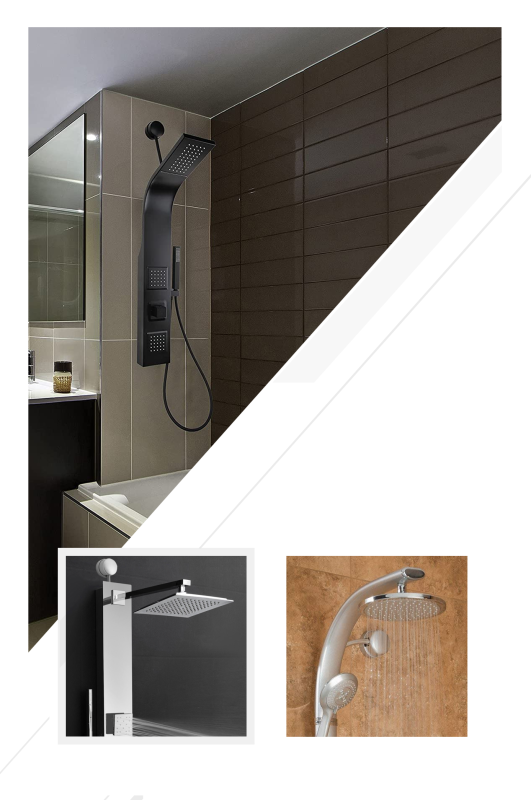
Bathrooms are another clear differentiator. A well-designed ADU bathroom feels usable and comfortable. Clearances are appropriate. The shower is easy to enter. Ventilation is quiet and effective. Lighting is balanced. Materials are chosen for durability and easy cleaning.
In basic units, bathrooms can feel like a tight compartment. You might see cramped vanity space, awkward door swings, limited storage, and moisture issues due to poor ventilation planning. Over time, these bathrooms can feel worn quickly, even if the fixtures were new at installation.
Good bathroom design does not require luxury finishes. It requires thoughtful layout, good ventilation, and durable materials that hold up to daily use.
Sound Control and True Privacy
Privacy is not only visual. Sound is one of the biggest quality-of-life factors in ADUs, especially on smaller lots. A well-designed ADU considers sound transmission early. It uses effective wall assemblies, appropriate insulation, and window selections that reduce noise when needed. It also plans the layout so that louder zones, such as kitchens and living areas, are not placed directly against sensitive areas of the main house.
Basic backyard units may use minimal assemblies and standard windows without considering proximity or orientation. The result can be a space that feels exposed, loud, and less restful. Sound is a major factor for renters, and it affects how long someone wants to stay.
Privacy is also about how windows face the property. A well-designed ADU brings in light while managing sightlines. Basic units often place windows wherever they fit, which can create uncomfortable relationships with the main house or neighbors.
Outdoor Space That Extends the Home
Well-designed ADUs usually connect to outdoor space in a way that feels intentional. Even a small patio can make a unit feel significantly larger if it is private and easy to access. Doors and windows are positioned to support this connection, and the outdoor zone is shaped to feel like an extension of the living area.
Basic backyard units may be placed wherever the lot allows without considering how outdoor space is experienced. The result can be a unit that technically has yard access, but no usable outdoor room. In California’s climate, that is a missed opportunity. Outdoor connection is part of livability, not just aesthetics.
Materials That Age Well and Reduce Maintenance
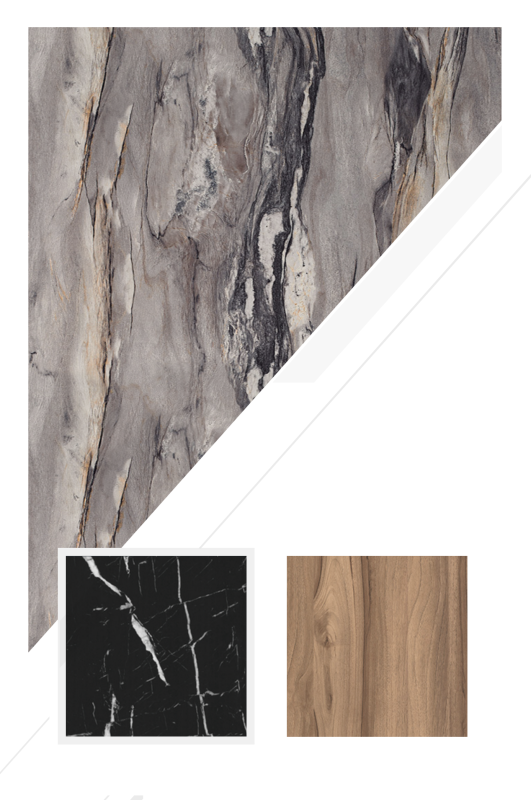
Over time, materials tell the truth about a project. Well-designed ADUs often select finishes with performance in mind. Flooring is durable. Exterior materials are chosen for local exposure, whether coastal air, hot sun, or seasonal moisture. Hardware holds up. Paint and trim details are executed cleanly.
Basic units may use cheaper finishes that look fine at move-in but show wear quickly. That creates higher maintenance demands and can reduce rental appeal. Long-term value is not just about what the ADU cost to build. It is about how it performs year after year.
Systems Planning and Energy Comfort
A well-designed ADU feels comfortable through the seasons. That means proper insulation, good air sealing, efficient heating and cooling, and ventilation that keeps the air fresh. It also means windows that perform well, not just windows that meet minimum requirements. Comfort is a major part of perceived quality.
Basic units sometimes meet code but still feel inconsistent. They can overheat, feel drafty, or develop humidity issues. These problems do not always show up in the first month. They show up over time, and they influence how the unit is experienced.
The Real Difference: Long-Term Value and Daily Experience
The clearest difference between a well-designed ADU and a basic backyard unit is how it feels to live there, not how it looks in a listing. A well-designed ADU supports daily routines with less friction. It feels brighter, quieter, more private, and more complete. It is easier to rent, easier to maintain, and more likely to hold long-term value.
A basic unit can still serve a purpose, but it often comes with tradeoffs that become more visible over time. When homeowners understand these differences early, they can invest in design choices that pay off in comfort and performance, without necessarily increasing square footage or overspending.
Final Perspective
ADUs are not all created equal. The best ones feel like true homes, designed with intention, built with durable systems, and planned for real life. The difference is not about making the unit larger. It is about making the space work better, feel better, and perform better for years to come. When an ADU is designed as a long-term asset, it becomes a meaningful part of the property, not just an extra structure in the backyard.
About Joy Line Homes
Joy Line Homes helps California homeowners design ADUs and factory-built housing that prioritize comfort, livability, and long-term value.
Visit AduraAdu.com to explore ADU planning resources.
Let's Get Started
Please Select the form that applies to you by selecting the appropriate tab above.
We are based in San Jose County ,
California
Tel: (831) 888-Home
Email: info@joylinehomes.com
Business Hours: 9am - 6pm