Rethinking Customization in a Systemized Building Model
By Joy Line Homes
Customization is one of the most emotionally loaded words in homebuilding. For many homeowners, it represents freedom, individuality, and the feeling that a home will reflect their lifestyle instead of forcing them into someone else’s template. At the same time, customization is also where budgets drift, schedules stretch, and projects become harder to manage. In California, where permitting complexity and labor constraints already add pressure, uncontrolled customization can turn a good plan into a high-stress experience.
A systemized building model offers a different approach. Instead of treating each project as a one-off construction experiment, systemized building relies on repeatable assemblies, coordinated workflows, and defined packages that can be refined over time. This approach is often associated with factory-built and modular construction, but it can apply to many forms of design-build. The goal is not to remove creativity. The goal is to deliver better outcomes through consistency, clarity, and performance.
Rethinking customization means shifting from “anything is possible” to “the right choices in the right places.” When homeowners understand where customization adds real value, and where it adds risk without improving daily life, they can create a home that feels personal while still benefiting from a stable process.
Why Uncontrolled Customization Creates Risk
Most construction risk comes from uncertainty, and uncertainty often comes from late changes. When a layout shifts after engineering is underway, it can trigger redraws, new approvals, and rework. When a finish decision changes after ordering, it can create delays and additional costs. When mechanical strategies are modified late, it can disrupt coordination across multiple trades.
Custom homes often face this challenge because decisions are spread throughout the build. Homeowners may not realize how many choices they will be asked to make until construction begins. Under pressure, selections become rushed, and rushed selections often lead to regret. The result is a process that feels reactive instead of deliberate.
Systemized building reduces this risk by front-loading decisions and narrowing the range of variables that can disrupt the workflow. This does not mean you cannot customize. It means customization happens within a framework designed to protect the schedule, budget, and performance of the home.
The Difference Between Personalization and Customization
A helpful way to rethink customization is to separate it into two categories. Personalization is about how the home feels and functions for the people living in it. Customization is about changing the underlying structure, systems, or workflow. Personalization can often be achieved without disrupting the building model. Customization that changes the system can create ripple effects.
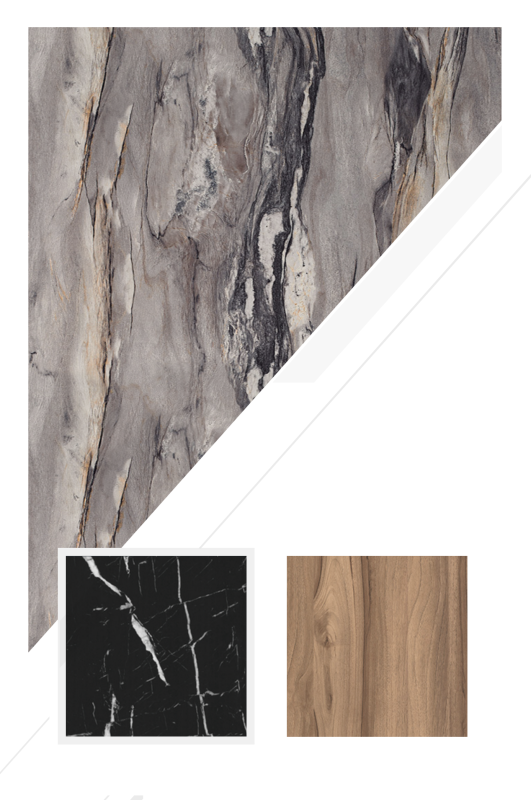
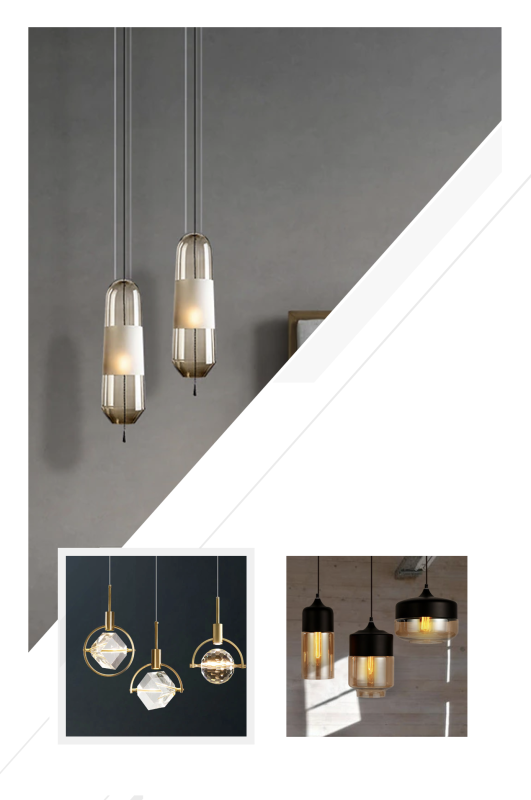
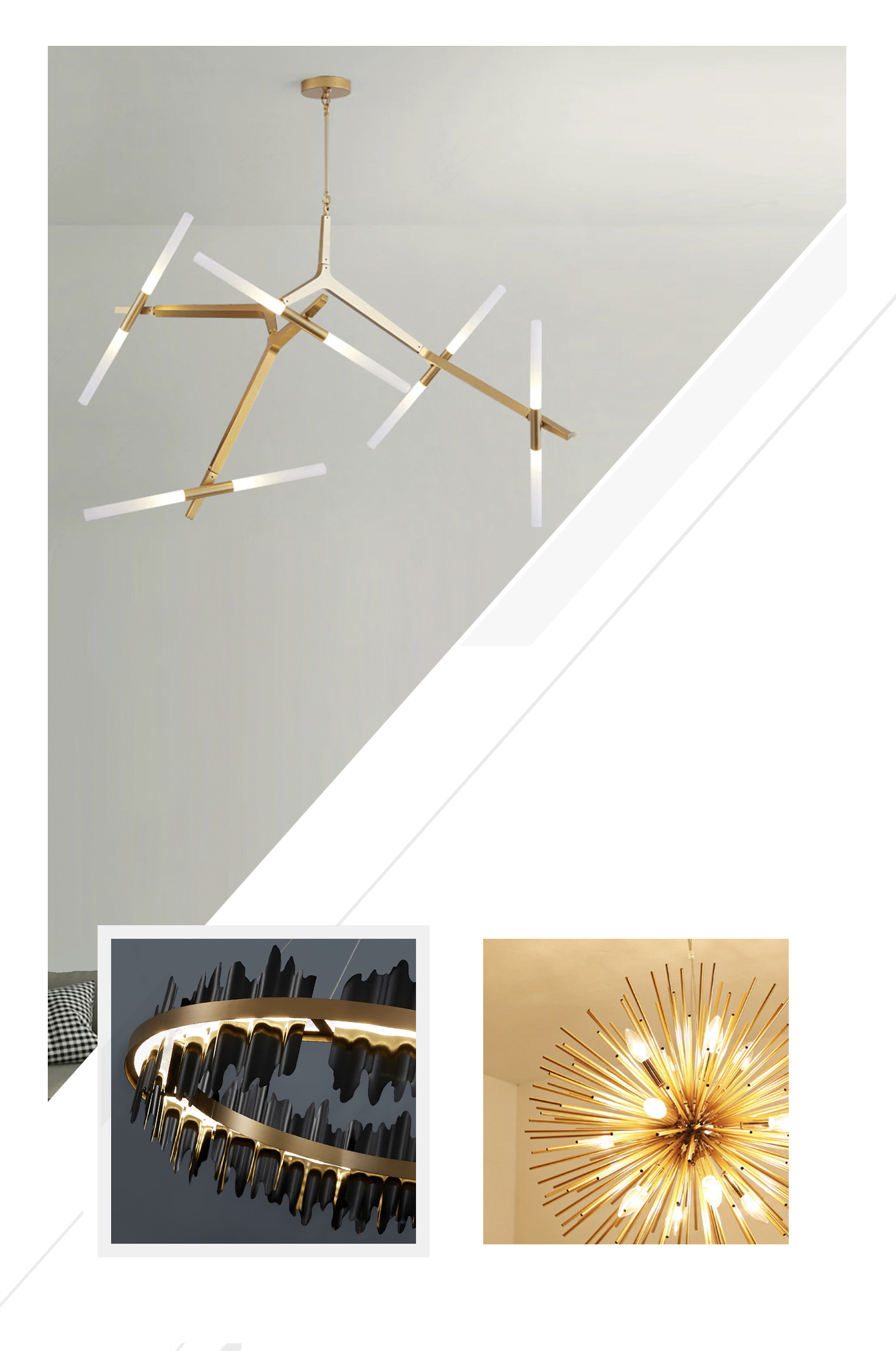
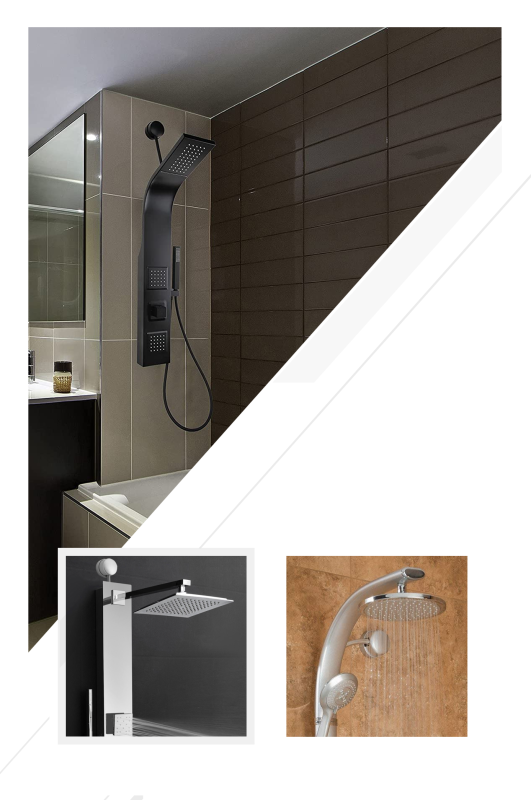
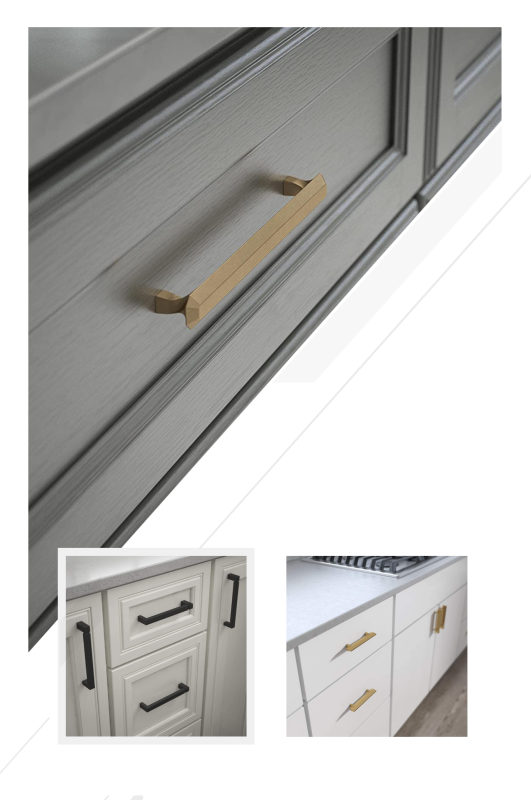
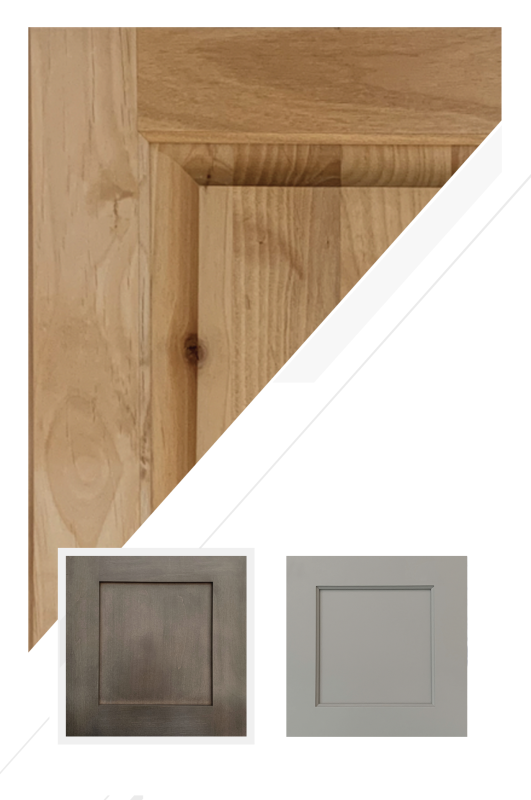
For example, choosing a warm wood tone, a specific lighting style, or a more refined hardware set is personalization. These choices can make a home feel unique without changing how it is built. Moving plumbing walls, altering roof geometry, or changing window sizes late in design is customization that affects structure and coordination. These changes are possible, but they increase risk and reduce predictability.
In a systemized model, the goal is to maximize personalization while managing customization carefully. Homeowners still get a home that feels like theirs, but the build remains stable.
Why This Matters for ADUs
ADUs often have tighter budgets and smaller footprints, which makes customization decisions even more impactful. A small change in layout can affect storage, circulation, and usable space. In markets like San Jose, Campbell, Palo Alto, and Redwood City, where site constraints and permitting details matter, a stable plan often delivers better outcomes than constant redesign.
Systemized Building Creates Better Clarity
One of the biggest benefits of systemized building is clarity. Homeowners know what is included, what options are available, and how decisions affect cost and schedule. Instead of vague allowances, there are defined packages. Instead of endless unknowns, there are clear upgrade paths.
This clarity helps homeowners make confident decisions. It also improves the project experience. When you are rebuilding after a wildfire or trying to add an ADU for rental income, the last thing you want is an open-ended project with constant renegotiation. A systemized model can make the process feel calmer because the decisions are structured and the outcomes are more predictable.
Clarity also protects design quality. When choices are curated, the final home tends to feel more cohesive. Instead of a patchwork of last-minute selections, the materials and finishes work together because the options were designed to align.
Where Customization Adds the Most Value
Not all customization is equal. Some changes have a meaningful impact on daily life, while others add complexity without improving how the home feels. In a systemized model, the best customization choices tend to fall into a few high-value areas.
Layout choices that support lifestyle are often worth it. This might include a dedicated office nook, a more private bedroom arrangement, or a kitchen configuration that supports frequent cooking. Storage strategies are another high-value area. Built-ins, pantry planning, and thoughtful closet layouts can dramatically improve livability, especially in smaller homes and ADUs.
Material upgrades that improve durability also tend to be worth it. Better flooring, stronger exterior cladding, and higher performance windows can improve comfort and reduce long-term maintenance. These choices often align with systemized building because they can be offered as upgrades without changing the underlying workflow.
Where Customization Creates the Most Risk
The highest-risk customization is anything that changes the structural or mechanical logic of the build late in the process. Moving plumbing walls, reworking roof lines, altering spans, or changing window openings can affect engineering, energy compliance, and production sequencing. These changes are not always wrong, but they require careful planning and usually need to happen early.
In factory-built construction, late structural changes can be especially disruptive because production depends on precision and scheduling. A small change can affect multiple downstream steps. That is why systemized models often set “decision deadlines” that protect the workflow. Homeowners can still customize, but they must do it within the timing that keeps the project stable.
Another risk area is unlimited finish selection without coordination. If every surface is chosen from scratch with no curated set of options, it can increase lead time risk and reduce cohesion. A systemized model often solves this by offering curated finish collections that look refined and still allow personal expression.
Customization Within a Framework Feels More Modern
Modern homebuilding is moving toward a concept that is common in other industries: configurable products. Cars, kitchens, and technology are not custom-built from scratch each time, but they still feel personalized. You choose the configuration that matches your needs, then you choose finishes and features that express your style.
Housing is beginning to adopt this model. A systemized approach can offer a set of well-designed base plans, then allow customization through options that have been tested for compatibility. This is how you get both creativity and reliability. The home feels personal, but the process remains predictable.
Why Homeowners Often Prefer This After Living Through Construction
Many homeowners who have experienced renovations or long builds realize that unlimited choice can be exhausting. A curated process can actually feel like a relief. You still get a beautiful home, but you avoid the endless decision cycles that slow projects down and increase stress.
Regional Fit Across California
A systemized model can be especially helpful in California because projects often span multiple jurisdictions and regional expectations. A well-structured approach can adapt to local requirements in Santa Cruz, San Jose, San Francisco, Sacramento, Santa Rosa County, San Luis Obispo County, Santa Barbara, Los Angeles and LA County, Orange County, and San Diego, while keeping the core build process consistent.
For San Jose and nearby cities like Campbell, Palo Alto, and Redwood City, systemized plans can help streamline design decisions while still allowing homeowners to tailor the home to their lot and lifestyle. This is important in dense neighborhoods where access and staging are limited and permitting details are specific.
How to Make Customization Work in a Systemized Model
The best way to approach customization is to start with your priorities. Identify the changes that truly affect daily life, then work within the system to accomplish them. This might mean choosing a plan that already supports your needs, then applying personalization through curated finish packages.
It also helps to respect decision deadlines. If the team asks you to finalize certain choices early, it is not about limiting you. It is about protecting the workflow so the home can be delivered reliably. Early decisions reduce rework and preserve budget predictability.
Finally, choose a partner who can explain the system clearly. A strong team will show you where flexibility exists, where changes create risk, and how to make choices that protect long-term value. The goal is a home that feels personal without the chaos that often comes with fully custom construction.
Closing Perspective
Rethinking customization in a systemized building model is not about giving up what makes a home feel unique. It is about placing creativity where it matters most and using a reliable process to protect quality, schedule, and budget. When customization is guided by a framework, homeowners get the best of both worlds: a home that reflects their style and a build experience that feels calm and predictable.
For ADUs, compact homes, and factory-built projects across California, this approach can be a smarter way to build. It supports better outcomes now and stronger long-term performance later, which is what modern homeowners are really seeking.
About Joy Line Homes
Joy Line Homes helps California homeowners design ADUs and factory-built housing that prioritize comfort, livability, and long-term value.
Visit AduraAdu.com to explore ADU planning resources.
Let's Get Started
Please Select the form that applies to you by selecting the appropriate tab above.
We are based in San Jose County ,
California
Tel: (831) 888-Home
Email: info@joylinehomes.com
Business Hours: 9am - 6pm