The Shift From Custom Builds to Systemized Housing Solutions
Why California homeowners are moving away from one off construction and toward repeatable, predictable housing systems.
For decades, custom home construction represented the gold standard of residential building. A fully custom home was seen as the ultimate expression of personal taste, craftsmanship, and individuality. Homeowners worked closely with architects and builders to design one of a kind structures tailored precisely to their preferences. While this approach offered creative freedom, it also came with significant tradeoffs that are becoming increasingly difficult to ignore.
In California today, rising construction costs, labor shortages, permitting complexity, and extended timelines have exposed the limitations of purely custom building. As housing needs evolve and pressure mounts to deliver homes faster and more efficiently, many homeowners and policymakers are rethinking the role of customization. This has opened the door to systemized housing solutions that prioritize consistency, predictability, and performance.
Systemized housing does not eliminate design choice. Instead, it redefines how homes are planned and delivered. By relying on standardized components, repeatable processes, and factory controlled environments, systemized housing offers an alternative path that balances flexibility with reliability. This shift is reshaping how Californians approach new housing projects of all sizes.
Why Traditional Custom Builds Are Becoming Harder to Justify
Custom builds rely heavily on sequential, site based construction. Each phase depends on the availability of skilled labor, favorable weather, and timely delivery of materials. In today’s market, these variables are increasingly difficult to control. Delays in one trade can ripple through an entire project, extending timelines and increasing costs.
Budget uncertainty is another major challenge. Custom projects often begin with conceptual estimates that evolve as plans are refined. Material substitutions, design changes, and unforeseen site conditions can all drive costs higher. For homeowners financing construction, this unpredictability introduces financial stress and risk.
Permitting complexity further compounds the issue. Each custom home requires unique plan review, structural analysis, and coordination with local agencies. In jurisdictions with limited staffing, review cycles can stretch for months. These delays add carrying costs and create frustration for homeowners eager to move forward.
The Emergence of Systemized Housing
Systemized housing takes a fundamentally different approach. Rather than treating each home as a one off project, systemized models rely on predefined designs, engineered systems, and repeatable construction workflows. This allows teams to refine processes over time, improving efficiency and quality with each build.
In California, systemized housing often includes manufactured homes, modular homes, factory built ADUs, and standardized prefab solutions. These homes are designed to meet strict building codes while benefiting from controlled production environments. Because components are produced consistently, outcomes become more predictable.
This predictability is especially valuable in a state where housing costs are high and timelines matter. Systemized housing allows homeowners to make informed decisions earlier in the process, reducing surprises and improving planning accuracy.
Quality Control Through Repetition
One of the most significant advantages of systemized housing is quality control. In a factory environment, teams perform the same tasks repeatedly, refining techniques and identifying issues before they reach the site. This repetition leads to more precise execution and fewer inconsistencies.
Unlike traditional job sites, factories protect materials from weather exposure and manage inventory more efficiently. Framing, insulation, electrical, and finish work occur under consistent conditions. This reduces the likelihood of moisture related damage and improves long term durability.
For homeowners, this often translates into a home that feels more complete at delivery. Doors align properly, finishes appear cohesive, and systems function as intended from day one.
Design Flexibility Within a System
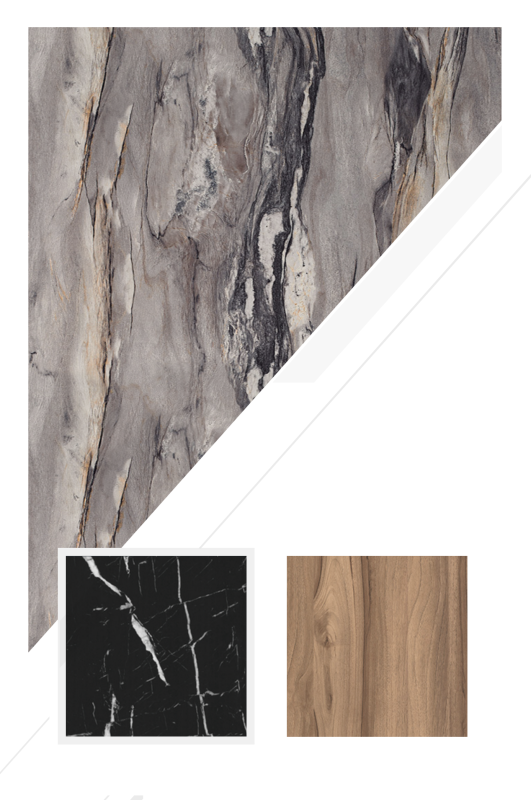
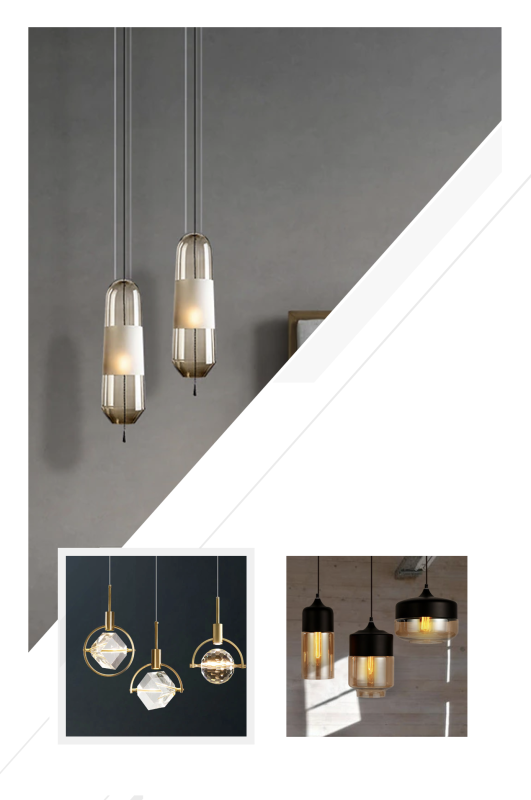
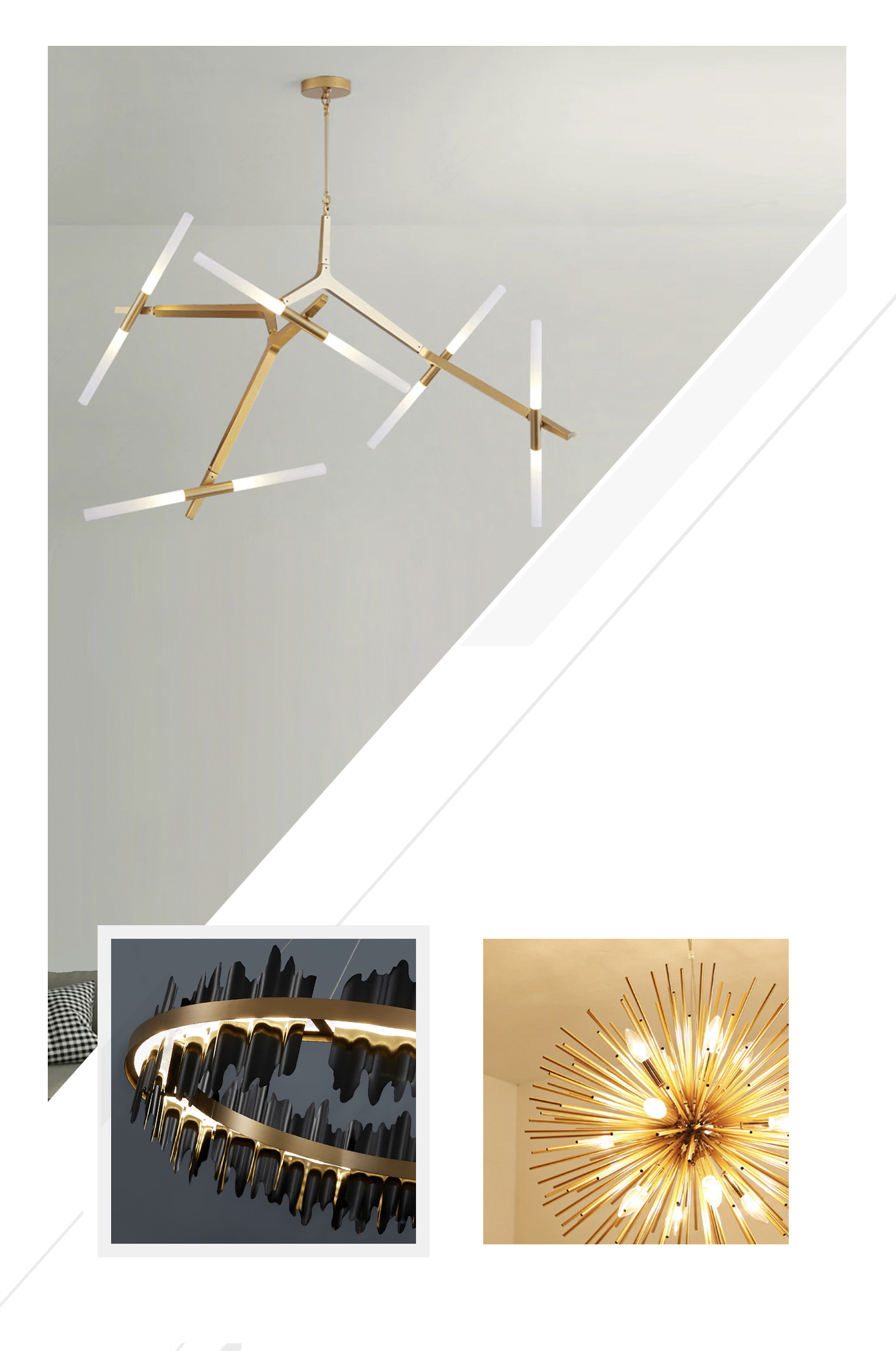
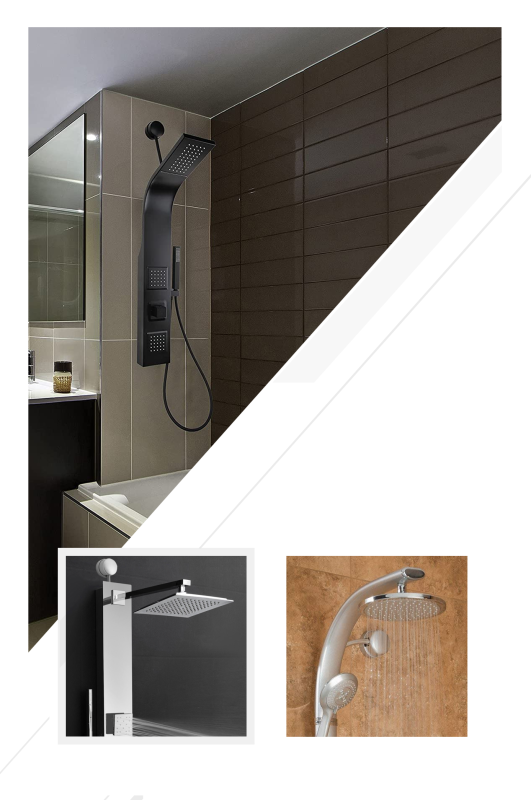
A common misconception is that systemized housing limits design creativity. In reality, many systems are designed to offer customization within a defined framework. Homeowners can often choose from multiple layouts, exterior styles, and interior finishes while still benefiting from standardized engineering.
This approach allows designers to focus on what matters most: livability, comfort, and performance. Rather than reinventing structural systems for each project, energy can be directed toward improving spatial flow, natural light, and material quality.
Cost Predictability and Financial Planning
Cost predictability is a key driver behind the shift toward systemized housing. Because designs and materials are standardized, pricing can be established earlier and with greater confidence. This clarity is especially important for homeowners using construction loans, HELOCs, or other financing tools.
While site work and utility connections still vary by property, the home package itself becomes a stable component of the budget. This separation helps homeowners understand where costs originate and how to manage them.
Speed as a Strategic Advantage
Time has become one of the most valuable resources in California housing. Systemized housing solutions reduce on site construction time by shifting much of the work to the factory. While site preparation occurs, the home itself is being built simultaneously.
This parallel process shortens overall project timelines and reduces exposure to delays. In post fire rebuild scenarios or tight housing markets, faster delivery can make a meaningful difference for families and communities.
Policy and Planning Alignment
California housing policy increasingly aligns with systemized housing models. ADU legislation, infill incentives, and rebuild programs all favor solutions that can be deployed efficiently and at scale. Systemized housing fits naturally within this framework.
Local jurisdictions benefit as well. Reviewing standardized plans reduces staff workload and improves consistency in approval outcomes. This creates a more collaborative relationship between homeowners and planning departments.
What This Shift Means for Homeowners
For homeowners, the move toward systemized housing represents a change in mindset. Rather than starting with a blank page, projects begin with proven designs that can be adapted to individual needs. This approach emphasizes outcomes over novelty.
As housing challenges continue to evolve, systemized solutions offer a path forward that balances efficiency, quality, and livability. They are not a replacement for creativity but a framework for delivering better housing with fewer risks.
In California’s complex building environment, this shift reflects a broader recognition that how homes are built matters just as much as how they look.
Helping homeowners transition from custom builds to smarter, systemized housing strategies.
Let's Get Started
Please Select the form that applies to you by selecting the appropriate tab above.
We are based in Santa Clara County ,
California
Tel: (831) 888-Home
Email: info@joylinehomes.com
Business Hours: 9am - 6pm