Homes Designed for Remote Work and Flexible Living
By Joy Line Homes
Remote work has permanently changed how homes are used. What began as a temporary shift has evolved into a long-term restructuring of daily life. For many households, work, learning, creativity, and income generation now happen within the home itself. This change has exposed the limitations of traditional residential design, which often treated workspaces as optional or secondary.
Homes designed for remote work and flexible living respond to this new reality. They recognize that productivity, privacy, comfort, and adaptability are no longer niche considerations. They are core performance requirements. A home that cannot support focused work without compromising daily life quickly becomes frustrating and expensive to modify.
Designing for remote work does not mean turning every home into an office. It means creating environments that support multiple modes of living, working, resting, and gathering without conflict. Flexibility is the foundation that allows these homes to remain useful as work patterns continue to evolve.
Why Traditional Homes Struggle With Remote Work
Most homes built before widespread remote work were designed around a clear separation between home and workplace. Living spaces prioritized family interaction and rest, while work occurred elsewhere. When work moved inside, many layouts proved inadequate.
Dining tables became desks. Bedrooms doubled as offices. Noise, visual distraction, and poor ergonomics became daily challenges. Over time, these compromises affected productivity, mental health, and household relationships.
Homes designed without flexibility often require costly renovations to support remote work. Walls are added, garages are converted, and systems are strained. Planning for flexible use from the beginning avoids these disruptions and reduces long-term cost.
Dedicated Work Zones Without Isolation
One of the most effective strategies for remote-friendly homes is the creation of dedicated work zones. These spaces support focus without fully isolating the occupant from the household.
A successful work zone has natural light, acoustic separation, adequate storage, and reliable power and data access. It does not need to be large, but it must be intentional. When workspaces are clearly defined, work hours feel more contained and personal time becomes easier to protect.
Flexible homes often include work zones that can change purpose. A room that serves as an office today may become a guest room or nursery later. Proportions, lighting, and access are key to making these transitions seamless.
Location Matters More Than Size
An office placed away from the main circulation path often performs better than a larger space located in the center of household activity.
Acoustics as a Productivity Tool
Noise is one of the most common obstacles to effective remote work. Video calls, focused writing, and creative tasks all require a level of acoustic control that many homes lack.
Homes designed for flexible living address acoustics at multiple levels. Layout decisions reduce sound transmission between work and living areas. Insulated interior walls, solid doors, and thoughtful placement of mechanical equipment all contribute to quieter environments.
Acoustic comfort benefits the entire household. Homes that manage sound well feel calmer and more private, even when multiple activities occur simultaneously.
Lighting That Supports Long Workdays
Lighting quality directly affects comfort and productivity. Poor lighting leads to eye strain, fatigue, and reduced focus.
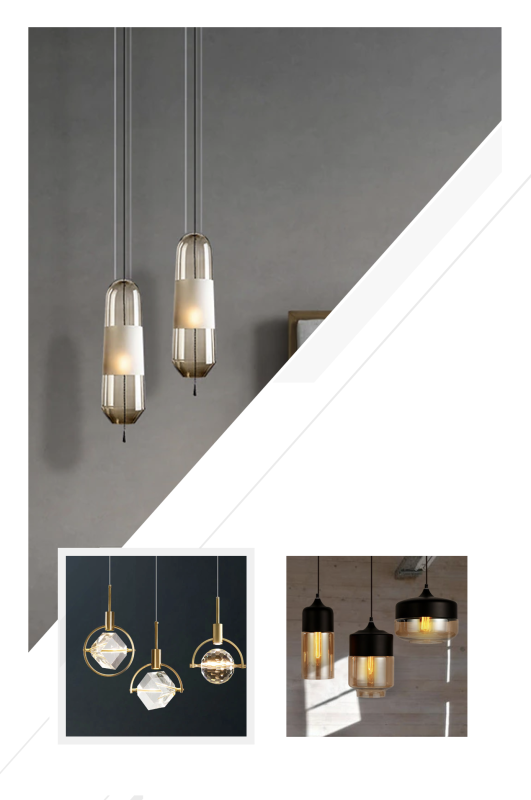
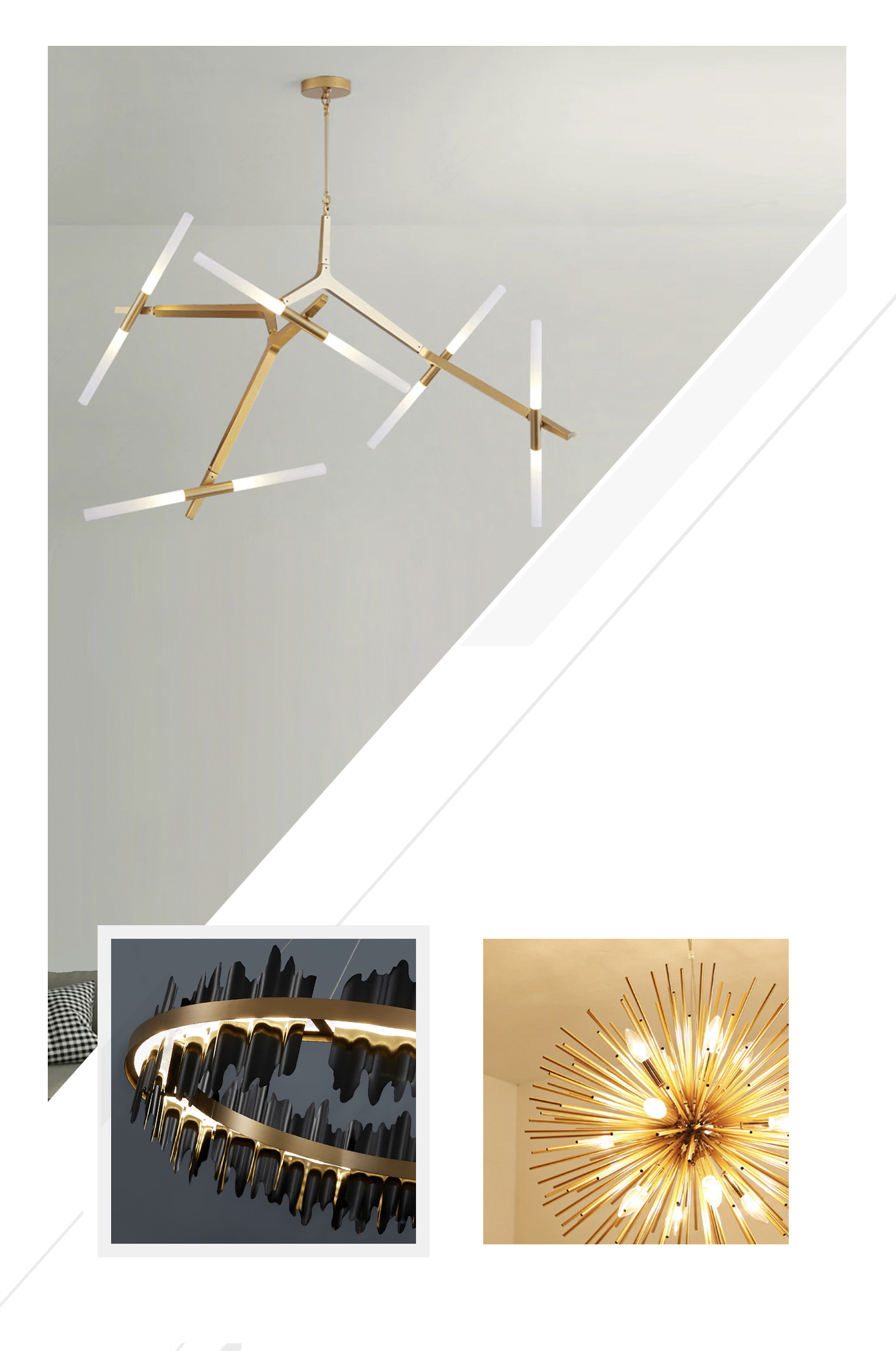
Remote-friendly homes prioritize access to daylight while controlling glare. Window placement, shading, and orientation all influence how light enters workspaces. Artificial lighting should supplement daylight with even, adjustable illumination.
Task lighting, ambient lighting, and screen-friendly conditions allow workspaces to function well throughout the day. When lighting is designed intentionally, work feels less draining and more sustainable.
Technology Infrastructure as Core Design
Reliable connectivity is no longer optional. Remote work depends on stable internet, adequate power capacity, and flexible wiring.
Homes designed for remote work treat technology infrastructure as a core system. Data wiring, Wi-Fi coverage, and electrical capacity are planned from the start. This avoids the clutter and limitations of ad-hoc solutions.
Future-ready planning also matters. As technology evolves, homes with accessible pathways and spare capacity can adapt without invasive upgrades.
Flexible Living Spaces That Change Roles
Remote work has blurred the boundaries between work and personal life. Flexible homes respond by allowing spaces to change roles throughout the day.
A living area may serve as a collaborative workspace in the morning, a family gathering space in the afternoon, and a place for rest in the evening. Furniture flexibility, lighting control, and clear storage strategies support these transitions.
Homes designed for flexible living avoid over-programming. Instead of assigning a single fixed use to every room, they create spaces that support multiple functions without feeling temporary or improvised.
ADUs as Remote Work and Living Extensions
Accessory dwelling units play a powerful role in remote-friendly housing. An ADU can function as a dedicated office, studio, or work-from-home retreat while preserving separation from the main house.
This separation supports focus and professional boundaries. It also allows the ADU to transition into other uses over time, such as guest housing, rental income, or multigenerational living.
When designed to the same performance standards as the primary home, ADUs enhance flexibility without increasing maintenance burden.
Outdoor Space as a Work Resource
Flexible living extends beyond the interior. Outdoor spaces have become valuable extensions of the work environment.
Covered patios, small decks, and landscaped areas provide alternative settings for calls, breaks, and creative thinking. Access to fresh air and natural surroundings improves focus and reduces burnout.
Homes that integrate indoor and outdoor space feel larger and more adaptable, especially for households balancing multiple work schedules.
Energy Performance and All-Day Occupancy
Remote work increases daytime occupancy, which changes energy use patterns. Homes designed for evening and weekend use may struggle under all-day demand.
High-performance envelopes, efficient mechanical systems, and thoughtful shading reduce operating costs while maintaining comfort. When homes perform well, extended occupancy does not lead to disproportionate expense.
Energy-efficient homes also remain more comfortable during outages or peak demand events, which supports uninterrupted work.
Mental Separation Between Work and Life
One of the greatest challenges of remote work is maintaining psychological separation between professional and personal life.
Design can support this separation through spatial cues. Changes in ceiling height, lighting, material texture, or circulation signal transitions between modes of activity.
When the home reinforces these boundaries, it becomes easier to disconnect after work hours and maintain long-term balance.
Homes That Support Multiple Workers
Many households now include more than one remote worker. Homes must support simultaneous work without conflict.
This requires multiple work zones, acoustic separation, and shared infrastructure that can handle increased demand. Flexible layouts that distribute workspaces across the home reduce competition for quiet and privacy.
Homes designed for single-worker scenarios often struggle under these conditions. Adaptable planning avoids this limitation.
Factory-Built Systems and Repeatable Flexibility
Factory-built and modular homes often excel in remote-friendly design because systems are coordinated early.
Clear structural planning, integrated technology pathways, and consistent detailing support adaptability. Workspaces can be designed as modular zones rather than afterthoughts.
This coordination reduces future modification cost and improves long-term performance.
Resale Value in a Remote-First Market
Remote work has reshaped buyer expectations. Homes that support flexible living appeal to a wider market.
Dedicated workspaces, ADU potential, and adaptable layouts are increasingly viewed as essential features rather than luxuries.
Homes designed with remote work in mind retain value better as work patterns continue to evolve.
Conclusion
Homes designed for remote work and flexible living reflect a fundamental shift in how people inhabit space. They prioritize adaptability, comfort, and long-term usability over rigid assumptions.
By integrating work zones, acoustic control, technology infrastructure, and flexible layouts, these homes support productivity without sacrificing quality of life. As remote work continues to shape daily living, homes that adapt will remain valuable, resilient, and deeply livable for years to come.
About Joy Line Homes
Joy Line Homes designs and delivers factory-built and modular homes that prioritize long-term performance, comfort, and value.
Visit AduraAdu.com to explore planning resources.
Let's Get Started
Please Select the form that applies to you by selecting the appropriate tab above.
We are based in San Jose County ,
California
Tel: (831) 888-Home
Email: info@joylinehomes.com
Business Hours: 9am - 6pm