Designing ADUs That Feel Like Primary Residences
By Joy Line Homes
An accessory dwelling unit can meet every permit requirement and still feel like a backup space instead of a real home. Homeowners notice it immediately, and so do renters, guests, and family members. The difference rarely comes down to square footage alone. It comes down to whether the ADU is designed with the same priorities as a primary residence: comfortable daily routines, privacy, storage, natural light, sound control, and a sense of permanence.
When an ADU feels like a primary residence, people settle into it. They cook without frustration, sleep without noise issues, and move through the space without constant small compromises. The unit becomes a place someone can genuinely live, not just occupy. That shift improves long-term value for the homeowner and makes the project feel like a true investment rather than an expensive workaround.
Designing an ADU to primary-residence standards also reduces regret. Many ADU regrets come from decisions that seemed minor at the time: a window placed too high to bring in real light, a kitchen without usable counter space, a bathroom with awkward clearances, or a layout that forces the bed to compete with the living area. These problems add up, and they are hard to fix once the build is complete. A better approach is to design the ADU like it matters, because it does.
Start With the Standard of Daily Living
Primary residences are designed around patterns. People wake up, make coffee, store groceries, do laundry, take calls, host friends, and unwind. An ADU that feels primary is not the one with the most features. It is the one that supports those everyday patterns without making the resident feel like they are constantly adapting to the building.
That begins with a clear layout. Even in a small plan, circulation needs to be intuitive. The entry should feel like an entry, not a side door into a kitchenette. The living area should have a place for a sofa and proper lighting. The sleeping zone should feel private. Service areas should be functional and unobtrusive. When these fundamentals are handled well, the ADU reads as a real home immediately.
Design the Flow Before the Finishes
Many ADU plans get too focused on finishes early. Floors, tile, paint, and fixtures matter, but they do not solve a circulation problem. A primary residence feels calm because it has a sense of order. The flow is not accidental. The best ADU designs take that same approach and treat flow as the first priority.
A Real Kitchen, Not a Token Kitchen
The kitchen is often the fastest way to tell whether an ADU is truly livable. A kitchen that feels like an afterthought is a daily frustration. A kitchen that feels like a primary residence has clear work zones, usable counter runs, appropriate storage, and ventilation that keeps the space comfortable. Even in compact layouts, thoughtful planning can support real cooking rather than only reheating.
Counter space is one of the most common misses. People need a landing area for groceries, a place to prep, and enough room near the sink and cooktop to work comfortably. A primary-feeling ADU kitchen also needs storage that does not force the resident into constant clutter. Full-height cabinetry, a pantry cabinet where possible, and drawers that hold real cookware make a major difference.
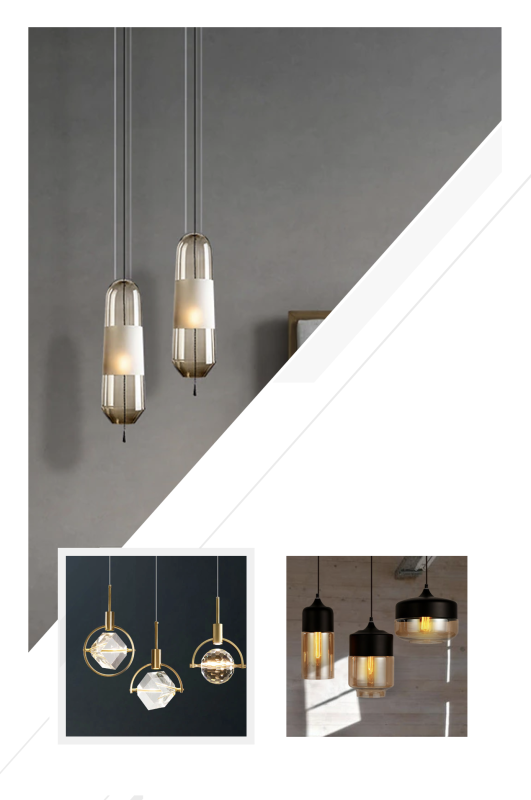
Appliance choices matter too. Compact does not have to mean flimsy. A good-quality range, a properly sized refrigerator, and an efficient hood or venting strategy support long-term use. Under-cabinet lighting and task lighting are not luxury upgrades. They are practical tools that make the kitchen functional at all hours.
Bathrooms That Feel Comfortable Every Day
Bathrooms are where small design decisions become daily experience. A primary-residence standard bathroom has good clearances, stable temperatures, lighting that supports grooming, and ventilation that prevents moisture problems. The best ADU bathrooms also feel private and quiet, especially when the home is occupied by a renter or a family member who needs independence.
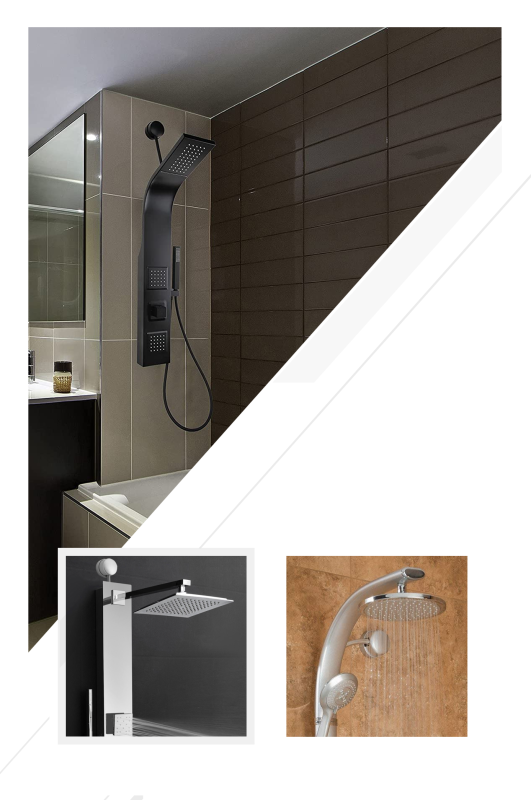
Walk-in showers with clean detailing tend to perform well over time, and they support accessibility. A well-placed niche, a bench when space allows, and fixtures installed at practical heights help the bathroom feel considered. Storage matters here as well. A vanity with drawer space and a mirror cabinet can prevent the countertop clutter that quickly makes a small bathroom feel cramped.
Plan Ventilation Like a Long-Term System
Ventilation is part of durability. Moisture drives long-term maintenance costs, and it can erode the feeling of a home faster than almost anything else. Quality exhaust fans, proper ducting, and a layout that supports airflow help the ADU stay fresh and low-maintenance over time.
Natural Light That Changes the Whole Experience
Natural light is not only aesthetic. It is functional. It improves mood, makes spaces feel larger, and reduces the heavy, compressed feeling that can make an ADU feel like a converted room. Primary residences often have light from multiple sides, or at least a clear strategy for daylighting. ADUs should aim for the same result within site constraints.
Window placement is more important than window size. A single large opening in the wrong location can still leave the room feeling uneven. Clerestory windows can bring in light while protecting privacy, especially when setbacks and neighboring windows are close. Corner windows can expand the sense of openness and connect the interior to outdoor space. Doors with glass panels can add daylight to the center of the plan, which is often where ADUs struggle most.
It is also important to design light with heat in mind. In many California regions, especially inland areas, the goal is bright but controlled. Shading, overhangs, window orientation, and glazing choices can keep the ADU comfortable without sacrificing daylight. A primary-feeling ADU is one that stays pleasant year-round, not only on mild days.
Ceilings, Proportion, and a Sense of Calm
Small homes feel better when the proportions are right. A slightly higher ceiling, a vaulted zone in the living area, or a thoughtful change in ceiling plane can make a compact footprint feel more generous. The goal is not to create drama. The goal is to create comfort. Primary residences often have a natural sense of scale, and ADUs can too when they are designed with proportion in mind.
Furniture planning is essential here. A living area should be able to hold a sofa, a chair, and a small table without blocking circulation. A sleeping zone should fit a real bed with access on at least one side. A dining area can be small, but it should have a clear purpose. When a plan only works with miniature furniture or constant rearranging, it does not feel like a primary residence, no matter how nice the finishes are.
Storage That Prevents the Cramped Feeling
Primary residences feel comfortable partly because they have places to put things. Storage is not optional in an ADU. It is what keeps the space calm over time. Without storage, the unit becomes visually noisy, and daily routines start to feel stressful. Good storage also supports rental performance because renters evaluate homes based on livability, not only style.
Closets should be sized to hold real clothing. A linen cabinet or a tall utility cabinet can hold cleaning supplies and reduce clutter. Kitchen storage should support full grocery cycles. Even a small entry closet or a built-in bench with storage can change how the home feels. The best ADU storage is integrated into the architecture, not added as an afterthought.
Sound Control and Privacy as Core Features
A primary residence feels like a retreat. That is hard to achieve if the ADU is loud or exposed. Sound control is one of the most overlooked elements in ADU design, especially in garage conversions or attached ADUs. Insulation choices, wall assemblies, window quality, and door seals can all impact comfort.
Privacy is also a design outcome, not a single feature. Window placement, entry orientation, outdoor space layout, and landscape screening can help the ADU feel independent. A separate path to the entry, a defined outdoor area, and thoughtful lighting can make the unit feel like its own home rather than a backyard room.
Design the Outdoor Space Like a Room
Outdoor space can be the pressure release that makes a compact home feel complete. A small patio, a sheltered seating area, or even a narrow garden strip can expand the daily experience of the ADU. When outdoor space is designed intentionally, it reads as an extension of the home, which is part of what makes it feel primary.
Materials That Feel Permanent and Perform Well
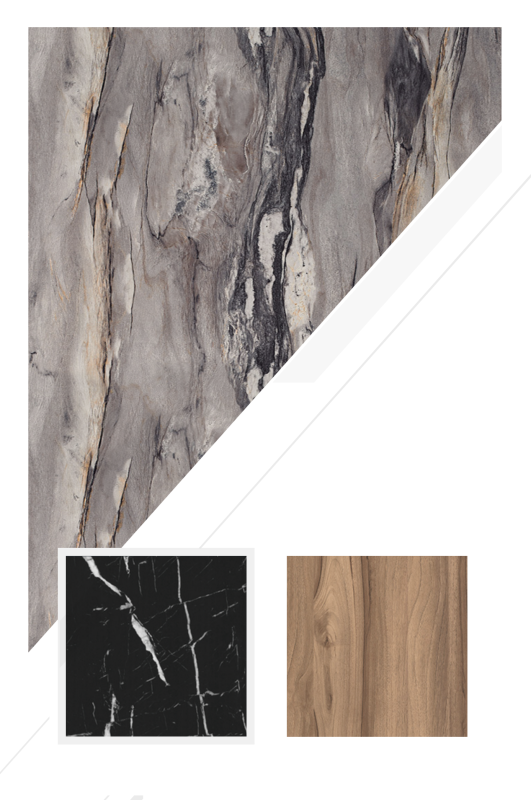
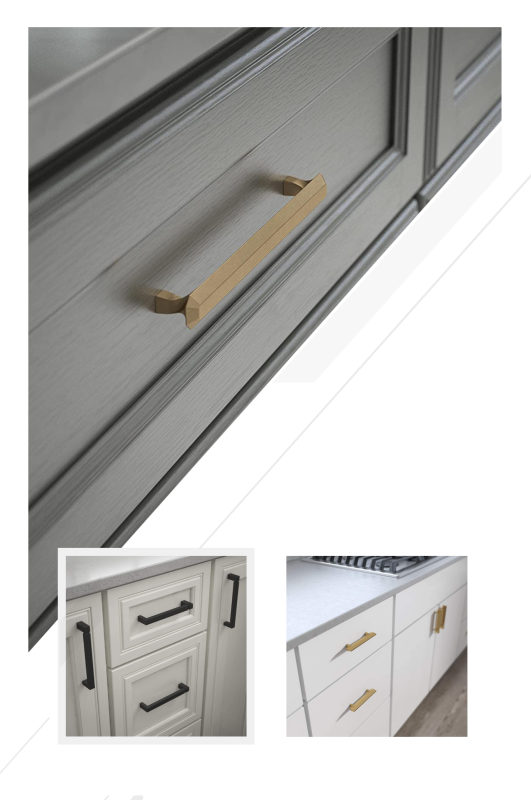
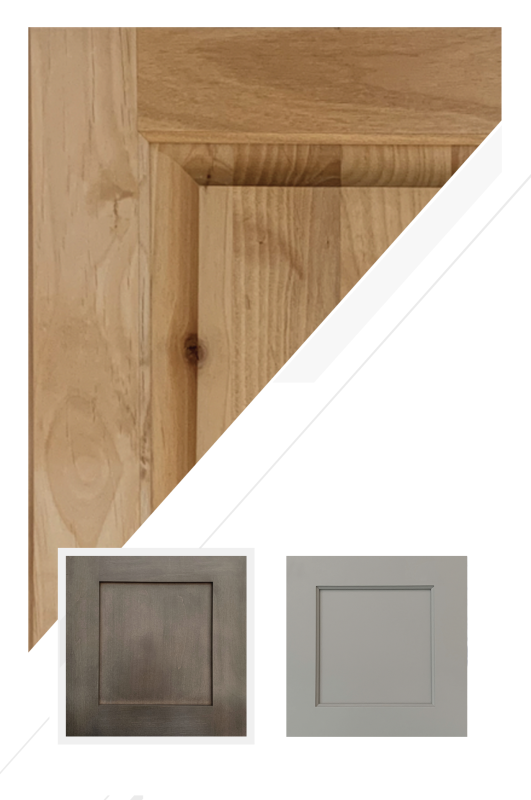
A primary residence feels solid. It closes quietly. It does not flex, rattle, or stain easily. Material choices in an ADU should reflect that same expectation. Durable flooring, solid-core doors, quality hardware, and moisture-resistant finishes reduce maintenance and improve the feeling of permanence.
It is also important to think about how materials will age. Some materials look good on day one but show wear quickly in a small space where every surface is used constantly. Choosing finishes that are easy to clean and hard to damage supports long-term satisfaction and protects the homeowner’s investment.
Factory-Built and Modular Approaches Can Improve Consistency
Many homeowners are turning to factory-built or modular ADUs because they want predictable outcomes. In controlled environments, teams can follow repeatable processes, protect materials from weather, and maintain tighter tolerances. This can support better insulation performance, cleaner finish installation, and more consistent quality.
What matters most is not the label of the method. It is the system behind it. A factory-built approach paired with strong design can deliver a cohesive result. A poorly planned project can feel compromised regardless of where it was built. When the process is coordinated well, factory-built and modular ADUs can reduce schedule risk and deliver a home that feels intentionally designed from day one.
Closing Perspective
An ADU that feels like a primary residence is not defined by size. It is defined by livability. It supports real routines, protects privacy, and feels comfortable in every season. That outcome comes from planning the layout carefully, prioritizing natural light, building in storage, and choosing materials that hold up over time.
When ADUs are designed to primary-residence standards, they become true homes. They support renters with dignity, allow family members to live independently, and help homeowners build long-term value. The best ADU projects are not just additions. They are lasting housing solutions that feel like they belong, because they were designed that way from the start.
About Joy Line Homes
Joy Line Homes helps California homeowners design ADUs and factory-built housing that prioritize comfort, livability, and long-term value.
Visit AduraAdu.com to explore ADU planning resources.
Let's Get Started
Please Select the form that applies to you by selecting the appropriate tab above.
We are based in Santa Clara County ,
California
Tel: (831) 888-Home
Email: info@joylinehomes.com
Business Hours: 9am - 6pm