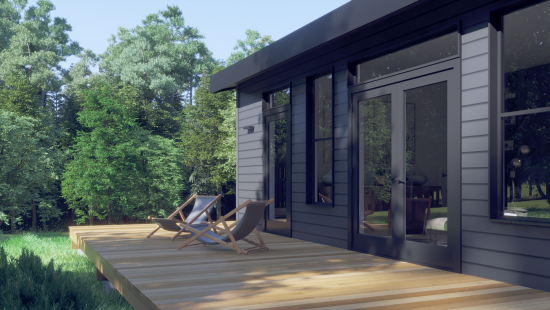
This content explores how well designed ADUs can offer genuine privacy comfort and functionality within a compact living environment. It highlights thoughtful floor plan layouts smart window placement and acoustic considerations that help reduce noise and enhance everyday comfort. The narrative touches on zoning awareness backyard orientation and outdoor space connections that support privacy for both homeowners and occupants. It also reflects on modern interior design lighting choices and material selection that elevate small spaces. With a focus on California living the emphasis is on prefab and modular ADU solutions that support multigenerational households long term rentals and peaceful efficient living without sacrificing style or livability....
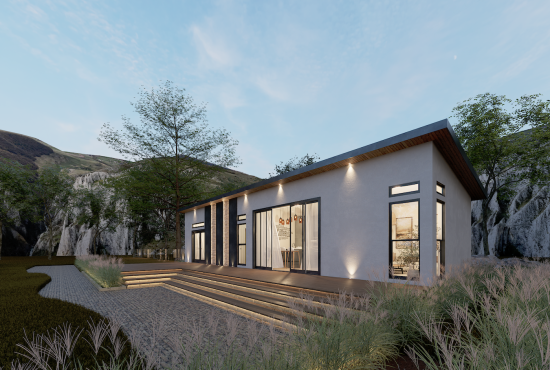
Understanding the difference between prefab, modular, and traditional site-built ADUs helps California homeowners make confident, informed decisions. While these terms are often used interchangeably, each construction method impacts timeline, cost control, quality, and daily life during the build. Prefab refers broadly to off-site construction, modular ADUs are precision-built in sections under controlled conditions, and site-built ADUs are constructed entirely on the property. In wildfire-affected and high-cost regions across California, including San Jose and the greater Bay Area, factory-built ADUs are increasingly valued for predictability, resilience, and efficiency. With clarity comes better planning, smoother builds, and homes that truly support long-term living....
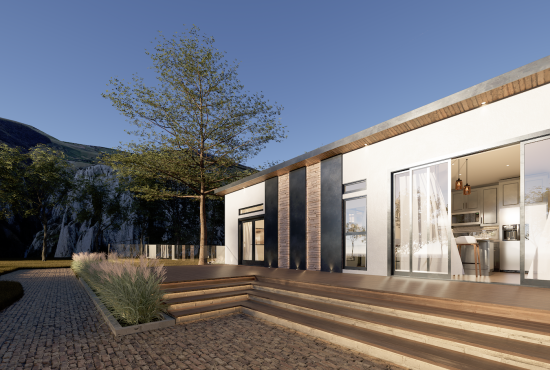
Designing an ADU that ages well means looking beyond day-one aesthetics and planning for how the space will support life over time. Flexible layouts, single-level living, accessible kitchens and bathrooms, and thoughtful circulation allow an ADU to adapt as needs change. Features like durable materials, layered lighting, acoustic comfort, and stable indoor temperatures enhance daily living at every stage. In California, where ADUs often shift between family housing, rental use, and long-term living, longevity is essential. When comfort, adaptability, and performance are prioritized from the start, an ADU becomes a lasting home rather than a temporary solution....
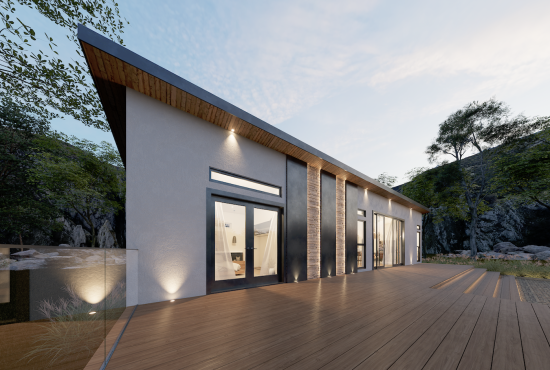
Choosing the right path for your property means understanding how factory built and site built ADUs differ in process, timeline, and experience. This article explains how site built ADUs offer flexibility for complex lots, while factory built ADUs provide greater predictability, consistent quality, and reduced disruption. It explores how construction methods affect budget control, scheduling, design decisions, and daily life during the build. By comparing access requirements, quality control, and long term performance, homeowners gain clarity on which approach best fits their property and priorities. Thoughtful evaluation leads to a confident decision and a smoother ADU journey....
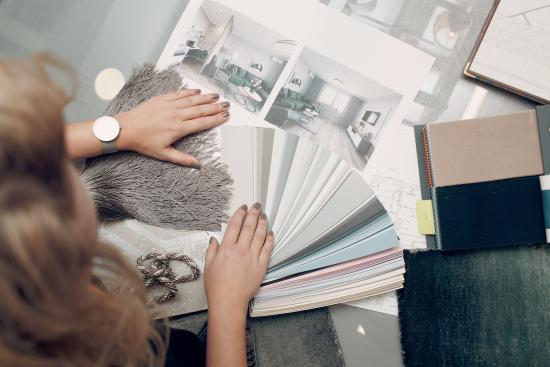
Financing is often the step that turns an ADU idea into a real project. California homeowners today have more options than ever, including home equity, construction loans, refinancing, rental income planning, and local incentive programs. The key is aligning financing with how the ADU will be used, whether for family living, rental income, or long-term flexibility. Understanding the true cost of an ADU, planning for cash flow, and thinking beyond initial payments helps avoid stress later. With clear goals and experienced guidance, ADU financing can feel structured, manageable, and supportive of long-term housing plans....
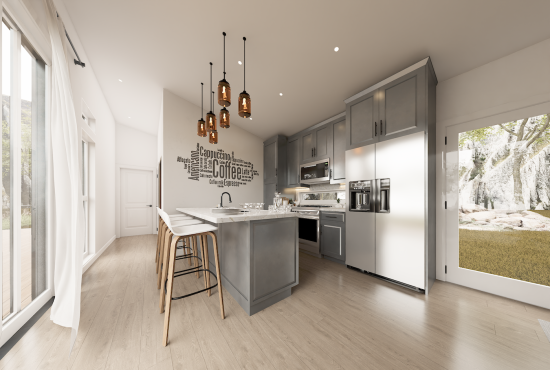
Accessory dwelling units play a meaningful role in addressing California’s housing shortage by adding homes where people already live, work, and connect. Rather than relying on large developments, ADUs expand housing supply incrementally, one property at a time, while preserving neighborhood character. They support a wide range of needs, from family living and aging in place to long-term rentals near jobs and services. By using existing infrastructure and smaller footprints, ADUs offer environmental and affordability benefits. When designed with care and durability, they become a practical, community-supported path toward a more balanced and resilient housing future across California....
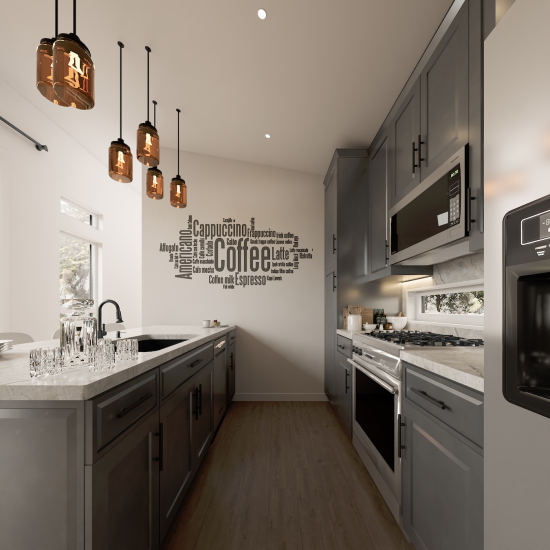
Fire conscious design has become an essential part of building ADUs in California’s wildfire-prone regions. Rather than reacting to risk, thoughtful planning focuses on resilience, preparedness, and long-term peace of mind. This article explores how site placement, exterior materials, roof assemblies, window detailing, vent protection, and defensible space work together to reduce wildfire exposure without compromising comfort or aesthetics. By integrating fire-resistant strategies early in the design process, homeowners can create ADUs that meet or exceed local fire codes while still feeling modern and welcoming. A well designed fire conscious ADU supports safety, durability, and confident living in high-risk environments....
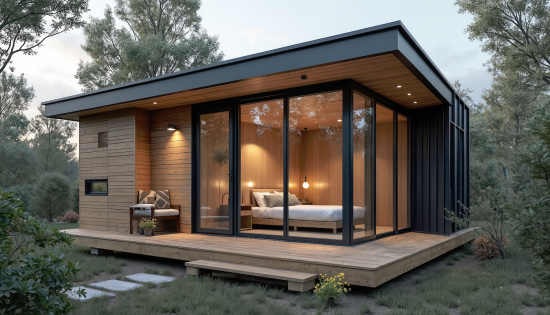
A well designed ADU exterior does more than add visual appeal. It shapes how the unit relates to the main home, the yard, and the surrounding neighborhood. In California, where ADUs are often built within established communities, thoughtful exterior design supports long term value, acceptance, and pride of ownership. This article explores how proportion, material selection, color, window placement, and entry design work together to create modern ADU exteriors that feel cohesive rather than added on. By balancing contemporary design with respect for existing homes, homeowners can create ADUs that feel intentional, durable, and naturally integrated into the property....