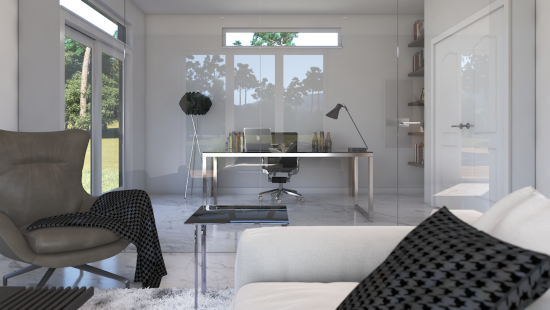
Homeowners are redefining what they expect from construction. This overview explains why predictable construction has become essential in today’s housing environment. It outlines how unclear scope, shifting timelines, and reactive decision making increase costs and stress. The article contrasts unpredictable builds with well planned projects that rely on early decisions, coordinated documentation, and controlled construction methods. It also explores how predictability supports financing, permitting, durability, and homeowner confidence. The takeaway is clear: modern homebuilding success depends not only on design quality, but on a transparent, reliable process that aligns construction with real life timelines and financial realities....
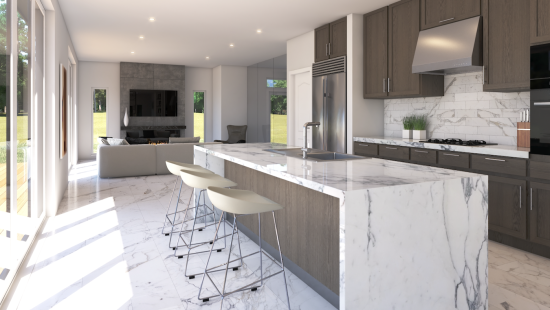
California’s housing challenges are redefining the meaning of temporary living. This overview examines how displacement, affordability, and life transitions turn short term housing into long term reality. The article explains why adaptable design, code compliant construction, and durable systems are essential when housing must perform beyond its original purpose. It highlights ADUs and factory-built homes as practical bridges between temporary shelter and permanent residence, offering flexibility, stability, and predictable performance. The takeaway is clear: housing designed with a permanent mindset from the start supports recovery, resilience, and long term livability for homeowners and communities alike....
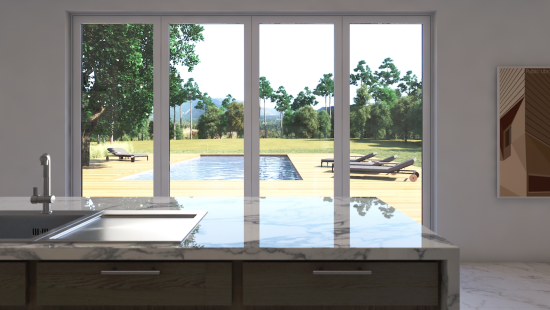
California’s backyard is becoming a housing solution. This overview shows how ADUs are changing property use by adding independent living space for family, tenants, or flexible lifestyle needs. The article contrasts old single household lot patterns with modern multi use living, where one property can support income, caregiving, or remote work without major neighborhood disruption. It explains why cities view backyard housing as scalable infill, and it highlights practical considerations like privacy, parking, utilities, and design quality. The takeaway is clear: well planned backyard housing can increase resilience, reduce displacement pressure, and create long-term value for homeowners in California cities....
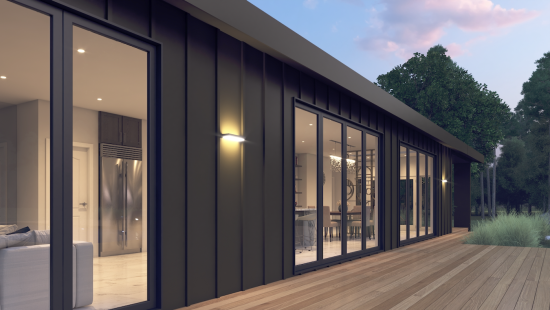
Durability is built through details, not slogans. This overview explains how factory precision strengthens long term home performance by improving consistency at the places where homes typically fail: seams, penetrations, transitions, and connections. The article highlights tighter framing tolerances, repeatable fastening schedules, and quality checkpoints that catch issues before they are hidden behind finishes. It also covers moisture control benefits, cleaner system routing, and stronger envelope performance that reduces wear on heating and cooling equipment. For California homeowners and investors, factory precision can mean fewer repairs, better comfort, and a home that holds up through climate stress and time....
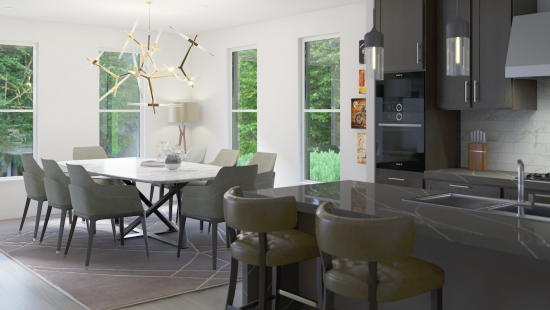
Small homes deliver the greatest value when they are designed to evolve rather than remain fixed. This overview explains how adaptable layouts, flexible rooms, and infrastructure planning help homes respond to life changes over time. The article highlights strategies that support multigenerational living, work from home needs, rental transitions, and aging in place without major reconstruction. By focusing on circulation, storage, accessibility, and future system upgrades, the blog shows how compact homes can remain functional and desirable for decades. The result is a smarter approach to small home design that aligns with California housing realities and long-term ownership goals....

California’s housing environment demands a new approach to building. This overview outlines why speed and certainty are no longer optional, but essential to successful projects. It contrasts the unpredictability of traditional site-built construction with the structured timelines and clearer outcomes of factory-built and modular homes. The article explains how early planning, defined scope, and coordinated permitting reduce costly delays and protect long-term financial outcomes. By emphasizing predictability, transparency, and realistic milestones, the blog shows how homeowners, investors, and wildfire rebuild clients can achieve calmer projects and more reliable results across California’s challenging construction landscape....
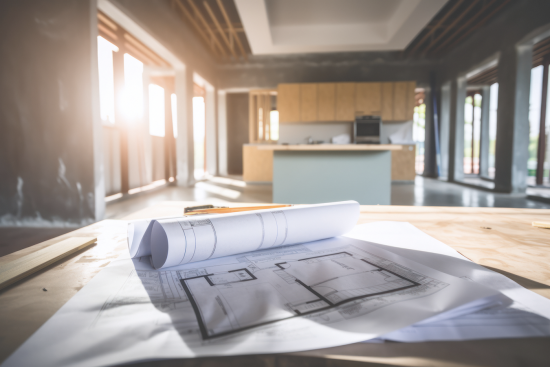
California housing trends are driving a clear movement away from one off custom builds toward systemized housing models. This overview highlights how factory built, modular, and manufactured homes support faster timelines, predictable costs, and repeatable quality. It explains how standardized designs still allow thoughtful customization while reducing construction risk. The focus connects homeowner needs with statewide housing policy, affordability challenges, and labor constraints. By outlining the benefits of efficiency, scalability, and performance, the overview shows how systemized housing solutions are reshaping residential development and providing practical long term options for small homes, ADUs, and infill projects throughout California today now....
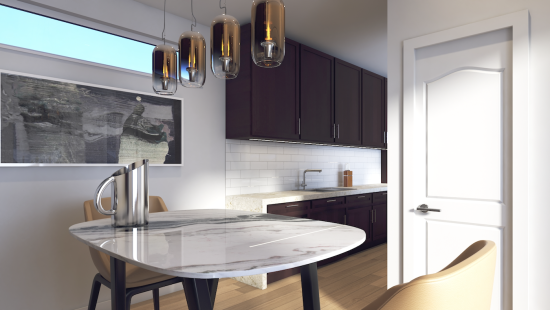
California’s evolving housing policies are driving a fundamental shift toward smaller, more flexible homes. This article outlines how zoning reform, ADU legislation, and acceptance of factory built construction are changing what homeowners can build on their properties. It highlights the role of small homes in addressing housing shortages, supporting aging in place, and responding to climate challenges. By breaking down policy intent and real world impact, the content shows how thoughtful regulation is enabling homeowners to participate in housing solutions while maintaining neighborhood character and long term property value....