
Understanding setbacks, height limits, and lot coverage is essential because these three zoning rules define the buildable envelope for an ADU. Setbacks determine where the unit can be placed, height limits shape roof form and interior volume, and lot coverage limits how much of the property can be occupied by structures. This overview explains how these standards combine in real projects and why homeowners should confirm the envelope before committing to a floor plan. It also highlights common site constraints like easements, slopes, trees, and drainage that can affect zoning feasibility. With regional guidance for Santa Cruz, San Jose, San Francisco, Sacramento, Santa Rosa County, San Luis Obispo County, Santa Barbara, Los Angeles and LA County, Orange County, and San Diego, plus a strong focus on San Jose, Campbell, Palo Alto, and Redwood City, this article helps homeowners plan ADUs that permit smoothly and feel comfortable long term....
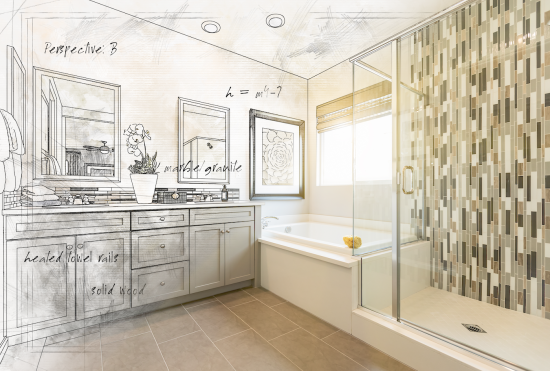
This article explains why ADU zoning varies from city to city even under California’s statewide ADU laws. It shows how local implementation, jurisdiction boundaries, overlays, and infrastructure differences affect setbacks, height limits, lot coverage, utility requirements, and plan check expectations. Homeowners will learn how to compare cities realistically by focusing on buildable envelope, documentation standards, and site conditions rather than only maximum allowable size. The guide includes regional context for Santa Cruz, San Jose, San Francisco, Sacramento, Santa Rosa County areas, San Luis Obispo County, Santa Barbara, Los Angeles County, Orange County, and San Diego, with hyper focus on San Jose neighborhoods and nearby cities like Campbell, Palo Alto, and Redwood City. The goal is to help homeowners plan ADUs that permit smoothly and feel like real homes long after final inspection....

State ADU laws in California create a baseline right to build and limit how restrictive local ordinances can be, but they do not remove local zoning. Instead, cities and counties must apply their zoning codes within state guardrails. This article explains how that layered system works in practice, including what state law typically overrides and what local agencies still control through objective standards like setbacks, height, lot coverage, access, utilities, and overlay zones. It also clarifies the meaning of by right and ministerial approval so homeowners understand what compliance actually requires. With regional insights across Santa Cruz, San Jose, San Francisco, Sacramento, Santa Rosa County, San Luis Obispo County, Santa Barbara, Los Angeles and LA County, Orange County, and San Diego, plus extra focus on San Jose, Campbell, Palo Alto, and Redwood City, the guide offers a clear planning roadmap....

Zoning constraints are one of the most significant factors affecting ADU size and placement, yet they are often misunderstood at the start of a project. This article breaks down the most common zoning limitations, including setbacks, height restrictions, lot coverage, easements, overlays, and access requirements, and explains how they shape real design outcomes. With examples from San Jose and surrounding cities, as well as Santa Cruz, San Francisco, Sacramento, Santa Rosa County areas, San Luis Obispo County, Santa Barbara, Los Angeles County, Orange County, and San Diego, the guide provides practical insight grounded in California’s most active ADU markets. The focus is on helping homeowners design within constraints rather than fighting them, resulting in ADUs that permit smoothly, feel comfortable, and provide long-term value....
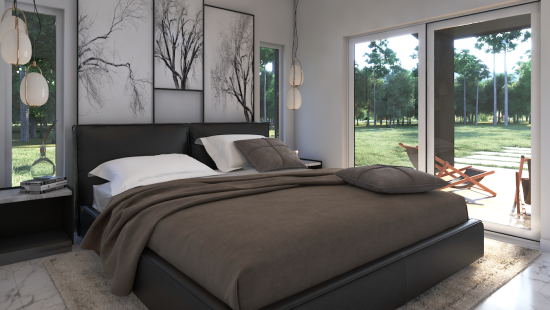
Backyard ADU feasibility begins with zoning. While California law allows ADUs statewide, local zoning still controls where a detached unit can be placed and how it functions on the property. This overview explains how setbacks, height limits, lot coverage, access, utilities, and privacy standards combine to define the buildable envelope. It also highlights regional considerations across Santa Cruz, San Jose, San Francisco, Sacramento, Santa Rosa County, San Luis Obispo County, Santa Barbara, Los Angeles and LA County, Orange County, and San Diego. With a focused look at San Jose and nearby cities such as Campbell, Palo Alto, and Redwood City, the article shows why zoning clarity leads to stronger design, smoother permitting, and backyard ADUs that feel permanent and livable....
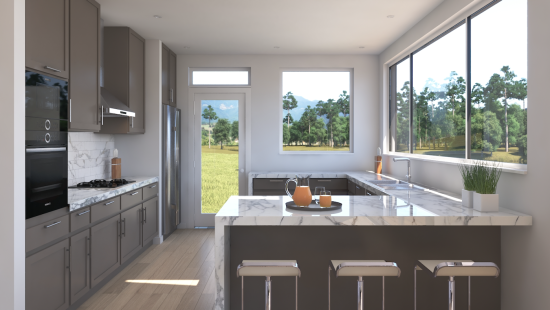
Understanding ADU zoning before building helps homeowners avoid delays, redesign, and unexpected costs. This guide explains how zoning rules interact with site conditions to shape what is possible, from setbacks and height limits to lot coverage and access. It highlights why jurisdiction matters, how overlays and easements affect feasibility, and why ADU type selection is often a zoning strategy. With regional examples from San Jose, Santa Cruz, San Francisco, Sacramento, Santa Rosa County areas, San Luis Obispo County, Santa Barbara, Los Angeles County, Orange County, and San Diego, the article offers practical insight grounded in real conditions. The focus is on creating ADUs that permit cleanly, function well, and feel like lasting homes rather than temporary solutions....
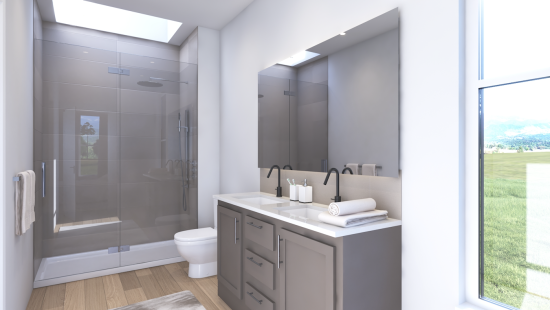
Zoning and design are not competing forces. They are two parts of the same successful ADU plan. Zoning defines the allowable footprint through setbacks, height limits, placement standards, access, and local review conditions. Design then turns those limits into a home that feels calm, functional, and permanent. This overview walks through a practical process: confirm the buildable envelope first, identify site constraints like easements, slopes, and utilities, then design for residential comfort with clear living zones, a real kitchen, comfortable bathroom, smart storage, and privacy-driven window placement. It includes California market context for Santa Cruz, San Jose, San Francisco, Sacramento, Santa Rosa County, San Luis Obispo County, Santa Barbara, Los Angeles and LA County, Orange County, and San Diego, with a special focus on San Jose and nearby cities like Campbell, Palo Alto, and Redwood City....

Local zoning requirements shape every ADU project, from the first sketch to the final plan check approval. This guide shows how to navigate zoning in a practical way by starting with jurisdiction, mapping the buildable envelope, and selecting an ADU type that matches both the site and the rules. It explains common constraints like setbacks, height limits, lot coverage, overlays, and access, plus the documentation details that often trigger correction cycles. The article also addresses utility coordination, drainage planning, and privacy strategies that help an ADU feel like a real home. Regional context is included for Santa Cruz, San Jose, San Francisco, Sacramento, Santa Rosa County areas, San Luis Obispo County, Santa Barbara, Los Angeles County, Orange County, and San Diego, with hyper focus on San Jose and nearby cities such as Campbell, Palo Alto, and Redwood City....