Planning Homes With Future Resale in Mind
By Joy Line Homes
Most homeowners think about resale far later than they should. It often enters the conversation only when life changes force a move or when the market shifts unexpectedly. In reality, resale value is shaped long before a home ever goes on the market. It begins with the earliest planning decisions, long before finishes are selected or walls are framed.
Planning a home with future resale in mind does not mean sacrificing comfort or designing for an imaginary buyer. It means understanding which decisions tend to age well and which ones quietly limit flexibility. Homes that resell well are not always the most customized or visually bold. They are the ones that function clearly, adapt easily, and inspire confidence in buyers who did not live through the original design process.
In California markets where construction costs are high and buyers are increasingly cautious, resale resilience matters more than ever. A home that feels understandable, durable, and easy to maintain often performs better than one that relies on novelty alone.
Resale Value Is Shaped by Early Decisions
Resale strength is rarely created by one single feature. It is the result of dozens of small decisions that work together. Layout, structure, system placement, and material strategy all influence how future buyers perceive risk and value.
When early planning prioritizes clarity, future buyers feel more confident. They understand how the home works, how rooms relate to one another, and how the house might adapt to their own lifestyle. When planning focuses only on present needs, resale often becomes an afterthought.
Homes that resell well tend to feel logical. Circulation makes sense. Storage is adequate and well placed. Rooms can serve more than one purpose without feeling compromised. These qualities rarely happen by accident.
Avoiding Over-Specialization
Highly specialized spaces can limit resale appeal. A room designed around a single use may feel restrictive to future buyers. Planning flexible rooms that can evolve into offices, guest rooms, or additional living space helps protect value over time.
Layouts That Translate Across Lifestyles
One of the strongest resale drivers is a layout that works for many types of households. Buyers may be single professionals, growing families, multigenerational households, or downsizers. A layout that accommodates multiple scenarios tends to attract broader interest.
Clear separation between public and private spaces helps buyers immediately understand how the home lives. Bedrooms that are not directly adjacent to main living areas often feel more comfortable. Kitchens that connect naturally to living and dining spaces remain popular across market cycles.
Future resale benefits from intuitive layouts more than dramatic ones. Homes that require explanation or justification can create hesitation during showings.
System Planning and Buyer Confidence
Buyers increasingly pay attention to what they cannot see. Mechanical systems, electrical capacity, insulation strategy, and ventilation influence inspections and negotiations. Homes with clearly planned systems often feel safer to purchase.
When systems are integrated early in the design process, they tend to be cleaner and more efficient. Mechanical rooms are accessible. Electrical panels have room for expansion. Plumbing layouts make sense. These details matter when buyers bring inspectors and contractors into the conversation.
A home that feels well planned behind the walls often commands more confidence than one that only looks polished on the surface.
Material Choices That Age Gracefully
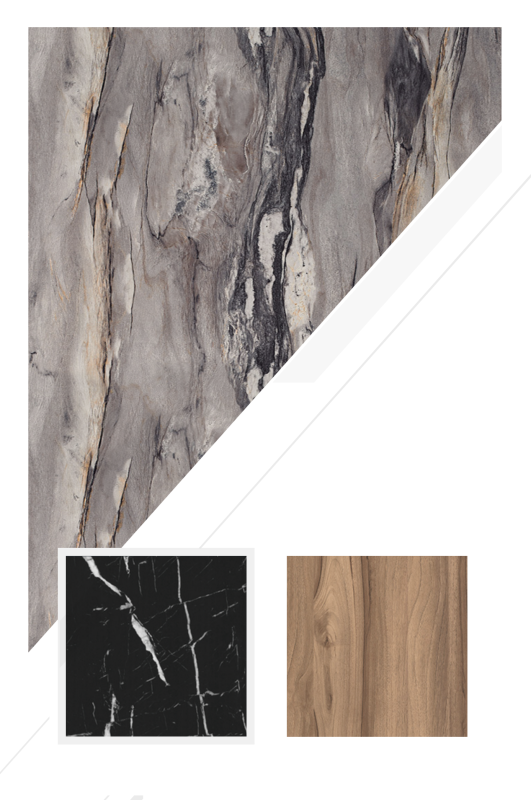
Resale-friendly materials are not necessarily neutral or boring. They are materials with known aging behavior. Buyers are drawn to finishes that look intentional after years of use rather than worn or dated.
Flooring that can be refinished, exterior materials with proven durability, and surfaces that tolerate everyday wear tend to protect value. Highly experimental materials may feel exciting early on but can introduce uncertainty later.
Consistency across materials also matters. A home that mixes too many finish styles can feel fragmented. Cohesive material strategies help buyers imagine themselves in the space more easily.
Energy Performance and Operating Costs
Energy performance has become a resale consideration, not a niche interest. Buyers ask about utility costs, insulation levels, and heating and cooling efficiency. Homes that perform predictably often feel like lower-risk purchases.
Planning for energy efficiency early allows systems to work together. Proper orientation, insulation continuity, and right-sized mechanical systems reduce long-term operating costs. Buyers may not understand every technical detail, but they respond to comfort and consistency.
A home that feels stable throughout the day and season leaves a strong impression during showings.
Maintenance Visibility Matters
Future buyers often worry about maintenance surprises. Homes that make maintenance visible and manageable tend to resell more easily. Access panels, service clearances, and clear documentation all contribute to confidence.
When a buyer believes they can understand and care for the home without constant troubleshooting, the perceived value increases.
Insurance and Resale Readiness
Insurance availability increasingly influences resale in high-risk regions. Homes designed with fire resilience, defensible space strategies, and durable exterior assemblies often face fewer insurance obstacles.
Planning with these realities in mind protects resale by reducing friction during escrow. Buyers are less likely to walk away from a home that aligns with current insurance expectations.
Documentation as a Resale Asset
Well-documented homes resell better. Plans, system diagrams, warranties, and maintenance guidance reduce uncertainty. Documentation signals that the home was built intentionally rather than reactively.
Future buyers appreciate clarity. It shortens decision timelines and builds trust during negotiations.
Avoiding Trends That Date Quickly
Trends come and go. Homes that lean too heavily into momentary design movements can feel dated faster than expected. Planning for resale means choosing elements that feel timeless even as styles evolve.
Resale-friendly homes allow future owners to personalize without undoing the core structure of the design.
Standardization Supports Resale Stability
Homes built using standardized systems often age more predictably. Replacement parts are easier to source. Repairs are more straightforward. Contractors are familiar with common assemblies.
This predictability supports resale by reducing perceived risk for buyers who plan to own the home long term.
Planning Beyond the First Owner
The strongest resale outcomes come from homes designed with more than one owner in mind. That perspective encourages balance between personalization and adaptability.
Homes that acknowledge future occupants tend to feel generous rather than restrictive. They invite buyers in rather than asking them to accept someone else’s decisions.
Looking Ahead
Planning homes with future resale in mind is not about predicting the market. It is about reducing friction. Clear layouts, durable systems, adaptable spaces, and thoughtful documentation all work together to protect value.
A home that resells well is one that continues to make sense long after construction ends. That kind of clarity benefits not only future buyers, but the homeowners who live there today.
About Joy Line Homes
Joy Line Homes helps California homeowners plan housing that balances long-term livability with future resale strength.
Visit AduraAdu.com to explore housing planning resources.
Let's Get Started
Please Select the form that applies to you by selecting the appropriate tab above.
We are based in San Jose County ,
California
Tel: (831) 888-Home
Email: info@joylinehomes.com
Business Hours: 9am - 6pm