How Modern California Homes Balance Openness and Privacy
By Joy Line Homes
Modern California homes are often celebrated for their openness. Expansive windows, open floor plans, and seamless indoor outdoor connections reflect the state’s climate and lifestyle. Openness supports light, airflow, and a strong relationship to the landscape, all of which are central to contemporary residential design across California.
At the same time, privacy has become increasingly important. As neighborhoods grow denser, lot sizes shrink, and accessory dwelling units become more common, homeowners are seeking ways to protect personal space without sacrificing openness. The challenge is not choosing one over the other, but designing homes that achieve both.
Balancing openness and privacy requires intentional planning. Successful homes rely on layered design strategies that manage sightlines, sound, and spatial hierarchy. When executed thoughtfully, these strategies create homes that feel expansive yet protected, connected yet comfortable.
The California Context
California’s climate encourages openness. Mild temperatures and abundant daylight make it possible to live with doors and windows open for much of the year. Outdoor spaces often function as extensions of interior rooms, blurring the boundary between inside and outside.
However, modern California homes are frequently built in closer proximity to neighbors than in the past. Urban infill, hillside development, and ADU construction have changed the spatial context. Designers must now balance the desire for openness with the realities of visibility and noise.
This context has led to more nuanced design approaches that prioritize orientation, layering, and selective transparency.
Density Changes Design Priorities
As density increases, privacy becomes less about isolation and more about control. Homeowners want to decide when they are visible and when they are not. Modern design responds by offering adjustable solutions rather than fixed barriers.
Strategic Window Placement
Windows are one of the most powerful tools for balancing openness and privacy. Modern California homes rarely rely on random or symmetrical window placement. Instead, openings are positioned to frame views, capture light, and avoid unwanted sightlines.
Clerestory windows are commonly used to bring daylight deep into the home while maintaining privacy at eye level. Corner windows can expand visual depth without exposing interiors to direct views from neighbors.
Thoughtful window placement allows homes to feel open without feeling exposed.
Indoor Outdoor Living With Boundaries
Indoor outdoor living is a hallmark of California design, but it does not require complete openness. Courtyards, patios, and terraces can be designed as outdoor rooms that feel private and intentional.
Walls, screens, changes in elevation, and landscaping define these spaces while preserving access to light and air. This approach allows residents to enjoy outdoor living without sacrificing comfort or privacy.
Courtyards as Privacy Anchors
Courtyard-based layouts have gained renewed interest. By orienting living spaces inward toward a protected outdoor area, homes can achieve openness without exposure to the street or adjacent properties. This strategy works well for single-family homes, modular homes, and ADUs alike.
Layered Spatial Planning
Modern homes balance openness and privacy through spatial layering. Public and semi-public spaces such as living rooms and kitchens are placed closer to entrances and outdoor areas. Private spaces such as bedrooms and offices are set deeper within the home.
This hierarchy allows openness where social interaction occurs while preserving privacy for rest and focus. It also makes homes easier to navigate and more comfortable to live in.
Material Strategies for Visual Privacy
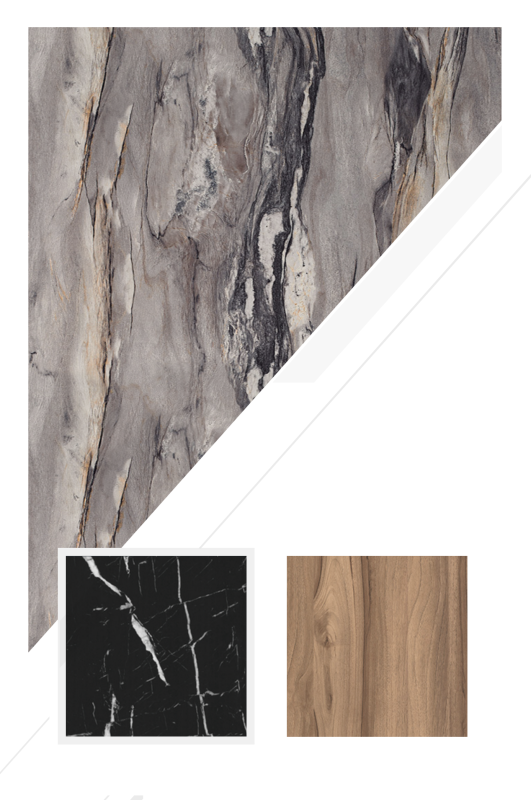
Materials play a subtle but important role in privacy. Slatted screens, perforated panels, and textured glazing filter views while allowing light to pass through. These elements feel lighter than solid walls and contribute to a contemporary aesthetic.
Landscaping is equally important. Trees, hedges, and planters soften boundaries and create privacy without creating a sense of enclosure.
Acoustic Comfort as Part of Privacy
Privacy is not only visual. Acoustic comfort is a critical consideration in modern homes. Open layouts can transmit sound easily if not carefully designed.
Insulation, door placement, ceiling treatments, and thoughtful mechanical system design all contribute to sound control. When acoustic privacy is addressed early, homes feel calmer and more livable.
Orientation and Site Response
Orientation is one of the most effective tools for balancing openness and privacy. By directing primary openings toward desirable views and away from neighboring structures, homes can remain open without feeling exposed.
In hillside or urban settings, careful orientation can dramatically improve comfort. Elevation changes, setbacks, and angles are used to manage visibility and sound.
Open Plans With Defined Zones
Open floor plans continue to be popular, but modern interpretations emphasize subtle zoning. Changes in ceiling height, lighting, or flooring define areas without closing them off.
These cues create psychological privacy within open spaces. Residents can feel connected while still maintaining a sense of personal territory.
Visual Connection Without Exposure
Interior glazing, partial walls, and built-in furniture allow visual continuity while blocking direct views. These strategies support openness without compromising comfort.
ADUs and Multigenerational Living
Accessory dwelling units introduce new privacy considerations. Separate entrances, defined outdoor areas, and thoughtful window placement allow multiple households to coexist comfortably.
Shared spaces can still be incorporated intentionally, supporting connection when desired without forcing interaction.
The Role of Modular and Factory-Built Homes
Modular and factory-built construction supports balanced design by encouraging early coordination. Window placement, wall assemblies, and layout decisions are resolved before construction begins.
This early planning allows privacy strategies to be integrated rather than added later. Precision construction ensures these strategies are executed consistently.
Flexibility Over Time
Privacy needs change. Operable screens, adjustable shading, and flexible layouts allow homeowners to adapt their environment over time.
This adaptability is especially valuable in California, where households evolve and homes often serve multiple purposes.
Why Balance Matters
Homes that are too open can feel exposed. Homes that are too closed can feel disconnected. The balance between openness and privacy supports both social connection and personal well-being.
Modern California homes succeed when they offer choice. Residents can open up to light and landscape when they want, and retreat into privacy when they need it.
Conclusion
Balancing openness and privacy is one of the defining challenges of modern California residential design. Through strategic window placement, layered planning, material choices, and thoughtful orientation, homes can achieve both.
Whether built traditionally or through modular construction, homes that address this balance thoughtfully feel expansive, comfortable, and deeply livable. The result is a residential environment that reflects California’s openness while respecting the human need for refuge.
About Joy Line Homes
Joy Line Homes designs modern, factory-built, and modular homes that balance openness, privacy, and long-term value.
Visit AduraAdu.com to explore planning resources.
Let's Get Started
Please Select the form that applies to you by selecting the appropriate tab above.
We are based in San Jose County ,
California
Tel: (831) 888-Home
Email: info@joylinehomes.com
Business Hours: 9am - 6pm