Design Trends Shaping the Next Generation of Manufactured Homes
By Joy Line Homes
The Evolution of Manufactured Home Design
Manufactured homes are undergoing a quiet but meaningful transformation. What was once viewed as a purely utilitarian housing option has evolved into a design-driven solution shaped by modern lifestyles, changing family structures, and rising expectations around comfort and aesthetics.
Today’s manufactured homes are no longer defined by limitations. Instead, they are guided by intentional design choices that prioritize livability, durability, and visual appeal. This shift reflects a broader understanding that manufactured housing can be both practical and beautifully designed.
As demand grows across California and beyond, the next generation of manufactured homes is being shaped by thoughtful trends that respond to how people actually live.
Layouts Designed for Real Life
Open Yet Defined Living Spaces
Modern manufactured homes are moving away from rigid compartmentalization. Open layouts remain popular, but they are now paired with subtle zoning that creates purpose within the space.
Kitchens, dining areas, and living rooms flow together naturally while still maintaining a sense of separation through ceiling changes, cabinetry placement, or material transitions.
Smarter Use of Square Footage
Designers are becoming increasingly intentional about how every square foot is used. Hallways are minimized, storage is integrated into walls, and furniture layouts are considered early in the design process.
This approach allows homes to feel spacious and functional without increasing overall size.
Aesthetic Shifts Toward Warm Modernism
Clean Lines With Softer Edges
The next generation of manufactured homes reflects a move toward warm modern design. Clean architectural lines are softened by natural textures, warm color palettes, and layered finishes.
This balance helps homes feel contemporary without appearing stark or overly minimal.
Materials That Feel Residential
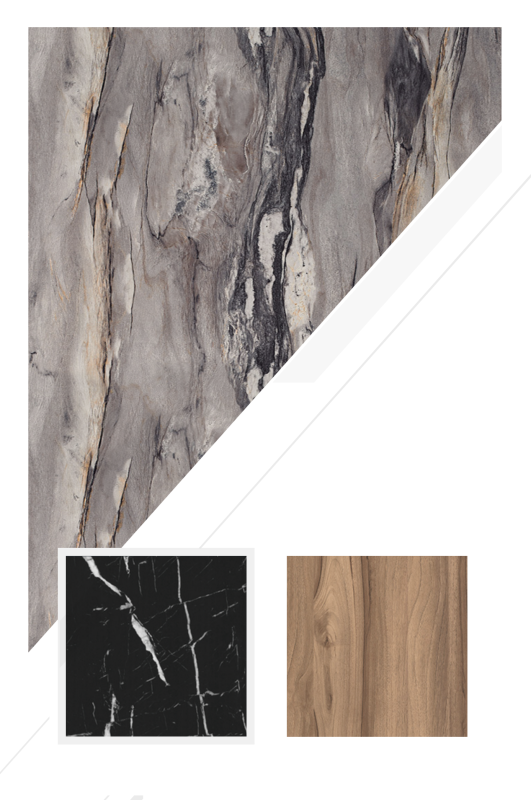
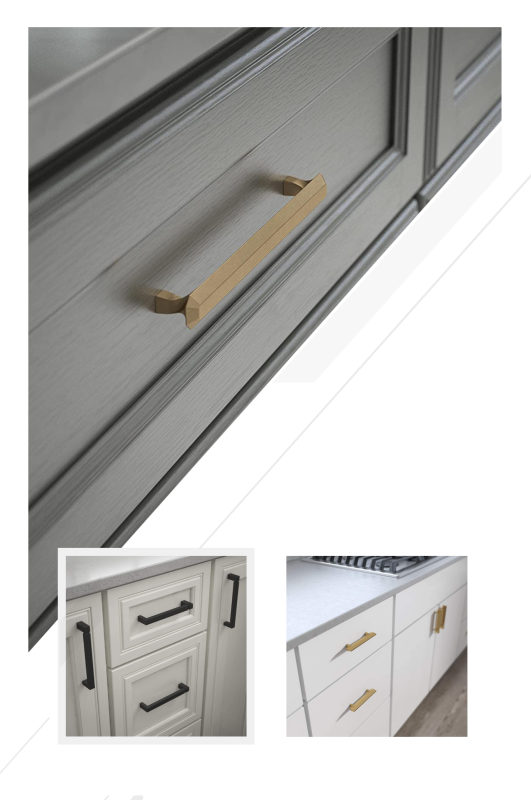
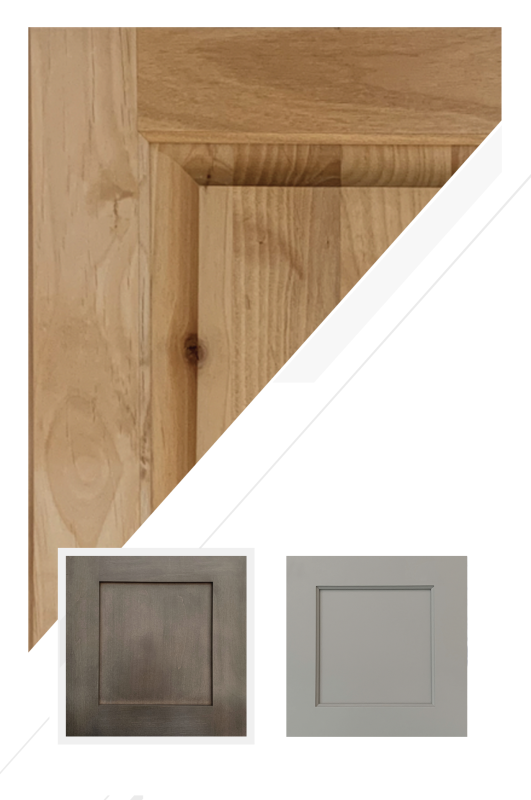
There is a growing emphasis on materials that feel solid and residential rather than purely cost driven. Engineered wood flooring, matte cabinetry, and stone-inspired surfaces are increasingly common.
These materials elevate the experience of the home while supporting long term durability.
Connection to Light and the Outdoors
Larger Windows and Thoughtful Placement
Natural light has become a central design priority. Window placement is now driven by orientation, privacy, and interior experience rather than uniform sizing.
Clerestory windows, sliding glass doors, and strategically placed openings help bring daylight deep into the home.
Indoor Outdoor Flow
Many modern manufactured homes are designed with outdoor connection in mind. Covered porches, patios, and garden access extend living space beyond the walls.
This connection supports well being and helps smaller homes feel more expansive.
Kitchens and Bathrooms as Design Anchors
Kitchens That Support Everyday Living
Kitchens are no longer treated as secondary spaces. In modern manufactured homes, they serve as social hubs designed for real cooking and daily use.
Layouts emphasize usable counter space, accessible storage, and appliance placement that supports intuitive movement.
Bathrooms Designed for Comfort Over Time
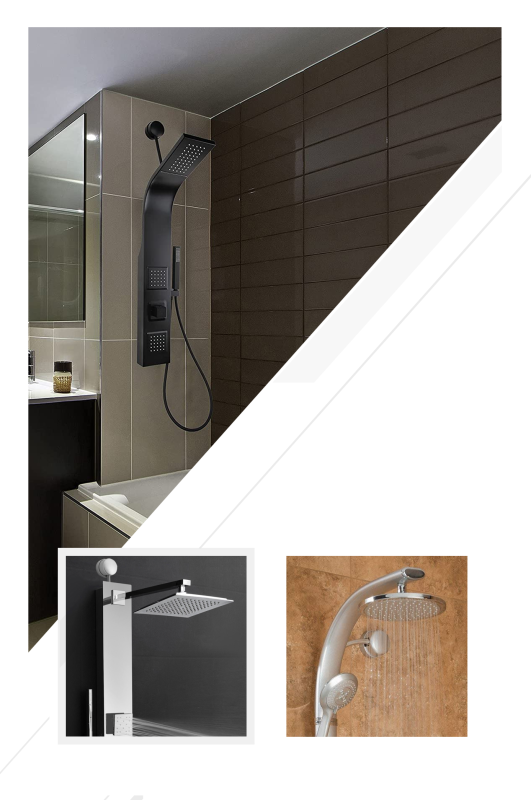
Bathroom design is shifting toward long term comfort. Walk in showers, improved lighting, and generous clearances are being integrated without sacrificing style.
These choices support aging in place and everyday ease.
Energy Efficiency and Performance Driven Design
Energy efficiency is shaping design decisions at every level. Improved insulation, high performance windows, and efficient mechanical systems are now standard expectations.
These elements reduce operating costs while improving year round comfort.
Fire Conscious and Climate Responsive Design
In California, design trends increasingly reflect climate realities. Fire conscious materials, simplified rooflines, and defensible space planning are influencing manufactured home design.
These features support resilience while maintaining visual appeal.
Factory Precision Supporting Better Design
One of the advantages of manufactured housing is the controlled environment in which homes are built. This precision allows for tighter tolerances, consistent finishes, and better execution of design details.
Design intent is more reliably translated into the finished home.
Designing for Long Term Flexibility
The next generation of manufactured homes is designed to adapt over time. Neutral palettes, flexible layouts, and durable finishes allow homes to serve changing needs.
Whether used as a primary residence, replacement home, or multigenerational solution, adaptability is key.
The Future of Manufactured Home Design
Manufactured homes are no longer defined by compromise. Design trends now emphasize quality of life, visual harmony, and long term value.
As expectations continue to rise, manufactured housing will play an increasingly important role in shaping accessible, resilient, and well designed communities.
Joy Line Homes and the Next Generation
Joy Line Homes embraces these design trends by delivering manufactured homes that feel modern, comfortable, and thoughtfully designed.
Our focus is on creating homes that support real life today while remaining relevant for years to come.
About Joy Line Homes
Joy Line Homes designs and delivers modern manufactured homes and factory built housing solutions throughout California.
Visit AduraAdu.com to explore design forward housing options.
Let's Get Started
Please Select the form that applies to you by selecting the appropriate tab above.
We are based in Santa Clara County ,
California
Tel: (831) 888-Home
Email: info@joylinehomes.com
Business Hours: 9am - 6pm