The Next Decade of California Homebuilding
By Joy Line Homes
California homebuilding is entering a decade defined by pressure and possibility at the same time. Demand for housing remains high, while the real-world conditions for producing homes have become more complex. Land costs, labor availability, insurance constraints, wildfire exposure, water concerns, and energy performance requirements all shape what gets built and how fast it can be delivered.
For homeowners, these forces show up as practical questions. How long will permitting take. How stable will the budget be. Will the home stay comfortable during heat waves. Will insurance remain available. Can a property support an ADU. Is it better to build on site or choose a factory-built approach. These are not niche questions anymore. They are normal planning questions for anyone trying to create housing in California.
The next decade will not be defined by a single trend. It will be shaped by multiple shifts that reinforce each other. A move toward systemized building, more climate-responsive design, faster delivery methods, and a stronger focus on total cost of ownership. Homes will be judged less by novelty and more by performance, reliability, and adaptability.
A New Definition of Quality
Quality in California has often been measured visually. A sleek facade, high-end finishes, and impressive square footage have been treated as markers of value. Over the next decade, quality will be judged more by how a home performs every day. Comfort, durability, resilience, and health will become the real indicators of a well-built home.
This change is already happening because homeowners are experiencing more extreme conditions. Hotter summers, smoke events, and heavier winter storms make performance visible. A home that leaks air, struggles to manage indoor temperature, or takes on moisture will feel outdated quickly. Meanwhile, a home with a strong envelope, thoughtful ventilation, and durable assemblies will remain desirable even as conditions change.
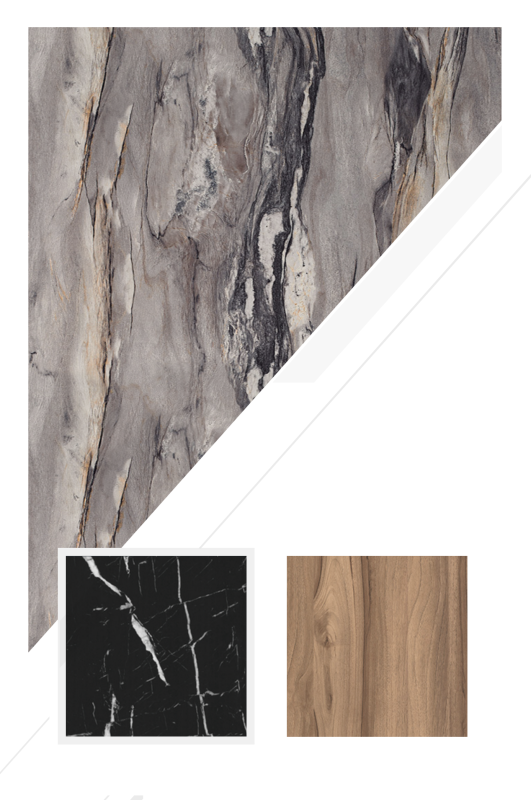
This shift also affects finishes. Materials that age well, resist wear, and support easy maintenance will matter more than trendy selections that look good initially but require constant repair. The next decade will reward designs that balance beauty with longevity.
The Rise of Systemized Homebuilding
California cannot meet its housing needs through one-off projects alone. When every home is treated as a prototype, delivery becomes slow and unpredictable. The next decade will bring more systemized approaches that improve repeatability and reduce risk.
Systemized homebuilding does not mean every home looks the same. It means the underlying process is coordinated. Proven wall assemblies, repeatable mechanical layouts, clear documentation, and disciplined sequencing reduce the chance of field improvisation. This reduces change orders and helps keep projects on schedule.
Systemization also supports better quality control. When processes repeat, teams improve. Details get refined. Problems are solved once and prevented from repeating. Over time, systemized building leads to more consistent outcomes, which homeowners will increasingly demand as budgets tighten.
Predictability Becomes a Premium Feature
In a high-cost environment, homeowners will pay for clarity. A project that stays on budget and finishes on time can be more valuable than a project that starts cheaper but drifts into uncertainty.
Factory-Built and Modular Growth
Factory-built and modular housing will play a larger role in California over the next decade because these methods align naturally with system thinking. Controlled construction environments reduce weather exposure during critical phases, support precision, and allow quality checkpoints to be built into production.
As labor availability fluctuates, factory methods also provide stability. Workforces can be trained around repeatable tasks and consistent standards. This can reduce variability in framing accuracy, insulation installation, and finish alignment. The result is often a home that feels more consistent and performs more predictably.
Factory-built approaches are also well suited to ADUs. Backyard housing needs to be efficient, coordinated, and delivered with minimal disruption. Modular and factory-built ADUs can reduce on-site duration, helping homeowners maintain daily routines while adding a new residential unit.
ADUs and Gentle Density Become Normal
Accessory dwelling units have already reshaped the conversation around housing in California, and the next decade will likely make them even more common. ADUs are not only a policy tool. They are a practical response to real family needs. Multigenerational living, rental income, caregiver housing, and flexible work space all drive demand.
As ADUs become more normal, expectations will rise. Homeowners will want ADUs that feel like real homes, not temporary add-ons. That means better attention to privacy, sound control, daylight, storage, and durability. It also means better coordination with the primary home, including landscape planning, access routes, and utility strategy.
Gentle density will also expand beyond ADUs. Duplexes, small-lot homes, and creative infill strategies will become more common as cities and counties look for housing that fits existing neighborhoods without requiring massive redevelopment.
Climate-Responsive Design Becomes Standard
California homes will increasingly be designed for real climate conditions rather than historical averages. This means stronger envelopes, better shading strategies, more resilient materials, and improved ventilation planning. The goal will be to create homes that remain comfortable during heat events and maintain healthy indoor air quality during smoke seasons.
Climate-responsive design also includes water awareness. Landscape strategies, drainage planning, and material choices will be shaped by both drought and storm realities. The next decade will reward homes that manage water intelligently, both in dry months and during intense rainfall.
In higher-risk regions, fire resilience will be treated less as an upgrade and more as a baseline expectation. Homes will need to be designed with defensible space, ember-resistant detailing, and material strategies that reduce vulnerability over time.
Insurance and the New Planning Reality
Insurance is becoming a design and planning factor in California, not just an administrative step. Over the next decade, homeowners will pay closer attention to how materials, site conditions, and resilience strategies affect insurability. In some areas, the availability and cost of coverage can influence whether a project is feasible.
This will push the market toward homes that reduce risk through design and documentation. Clear compliance strategies, durable cladding, proper roof detailing, and defensible space planning will matter. Homeowners and builders will likely prioritize predictable risk reduction because uncertainty in insurance can create long-term financial strain.
The result may be a stronger relationship between resilience and value. Homes that can demonstrate durable performance and lower risk may hold their value better in uncertain insurance environments.
Permitting and Predevelopment Become More Strategic
Permitting timelines and local requirements will continue to shape homebuilding. In the next decade, homeowners will increasingly seek clearer pathways and more coordinated planning. Predevelopment will matter more because it reduces surprises.
This includes site analysis, zoning research, utility planning, and early cost modeling. When these steps are rushed, projects often stall later. When they are coordinated early, approvals and construction can move more smoothly.
Factory-built and systemized approaches can help here because they often come with repeatable documentation. Standard details can make plan sets clearer, reduce reviewer confusion, and improve the odds of a smoother review process.
Total Cost of Ownership Takes Center Stage
Homebuyers and homeowners are already more aware of energy costs and maintenance. Over the next decade, total cost of ownership will be a major driver of design choices. Homes that are cheaper to operate, easier to maintain, and more durable will stand out.
This will influence everything from insulation strategies to material selection. It will also shift the conversation about square footage. Some homeowners will choose smaller, smarter homes because operating costs and maintenance scale with size. A well-planned compact home can deliver a better daily experience than a larger home that feels inefficient or expensive to manage.
Total cost of ownership is also connected to quality control. A home with fewer performance gaps, better moisture management, and more consistent assemblies will require fewer repairs over time. That is value that homeowners can feel.
Adaptability and Flexible Living
California households are changing. Families need homes that adapt to shifting work patterns, multigenerational living, and evolving financial needs. The next decade will favor homes designed for flexibility, including layouts that can support remote work, guest use, rental potential, and aging in place.
ADUs are part of this, but adaptability also applies to primary homes. Flexible rooms, good storage planning, and resilient utility strategies can help homes remain useful across many life stages. The goal is not to predict one future. It is to create a home that can handle multiple futures without costly remodeling.
What This Means for Homeowners Today
Homeowners planning a project today can benefit from thinking like the next decade. That means prioritizing performance, predictability, and resilience. It means designing for long-term maintenance, not just move-in excitement. It also means considering systemized or factory-built approaches that reduce variability and support consistent quality.
It also means planning early. Zoning and permitting details matter. Utility planning matters. Site conditions matter. The most successful projects are those that treat planning and coordination as part of the build, not as paperwork that comes later.
California homebuilding is changing. Homes will still be personal and design-driven, but they will be evaluated more by how they perform under real conditions. The next decade will reward homeowners who invest in durable, climate-smart, and well-coordinated housing strategies.
Conclusion
The next decade of California homebuilding will be shaped by systemized delivery, climate-responsive design, and a stronger focus on total cost of ownership. Factory-built and modular methods will grow because they support quality control and predictability. ADUs and gentle density will continue to expand because they provide flexible housing options within existing neighborhoods.
For homeowners, the message is clear. The best projects will be those designed for long-term performance, built with disciplined processes, and planned with real-world constraints in mind. In a changing state, the homes that thrive will be the ones built for durability, comfort, and adaptability from the start.
About Joy Line Homes
Joy Line Homes helps California homeowners plan and deliver ADUs and factory-built housing that prioritize resilience, comfort, and long-term value.
Visit AduraAdu.com to explore ADU planning resources.
Let's Get Started
Please Select the form that applies to you by selecting the appropriate tab above.
We are based in Santa Clara County ,
California
Tel: (831) 888-Home
Email: info@joylinehomes.com
Business Hours: 9am - 6pm