The Joy Line Homes Modular Build Process Explained
By Joy Line Homes
Building a modular home with Joy Line Homes is designed to feel clear, structured, and predictable from the very beginning. Many homeowners come to modular construction after feeling overwhelmed by traditional building timelines, cost overruns, or unclear sequencing. The modular build process offers a different experience, one that emphasizes planning, coordination, and quality control.
Rather than managing every step on an open jobsite, the modular process allows much of the home to be built in a controlled environment while site work progresses in parallel. This overlap is what creates efficiency without sacrificing craftsmanship.
For homeowners in California, especially in high demand regions, clarity matters. Knowing what happens next and when decisions are required reduces stress and allows families to plan their lives around the build instead of reacting to constant changes.
Step One: Site Evaluation and Planning
Every modular project begins with understanding the property. Access, slope, utilities, zoning requirements, and local building codes all shape what is possible. Joy Line Homes works with homeowners early to evaluate these factors so decisions are grounded in real conditions.
This planning phase sets expectations around timeline, budget, and design options. Clear scope at the beginning helps avoid surprises later.
Site evaluation also determines how the home will be delivered and installed. Driveway access, crane placement, and foundation requirements are reviewed carefully so the installation phase is smooth and efficient.
Design Selection and Customization
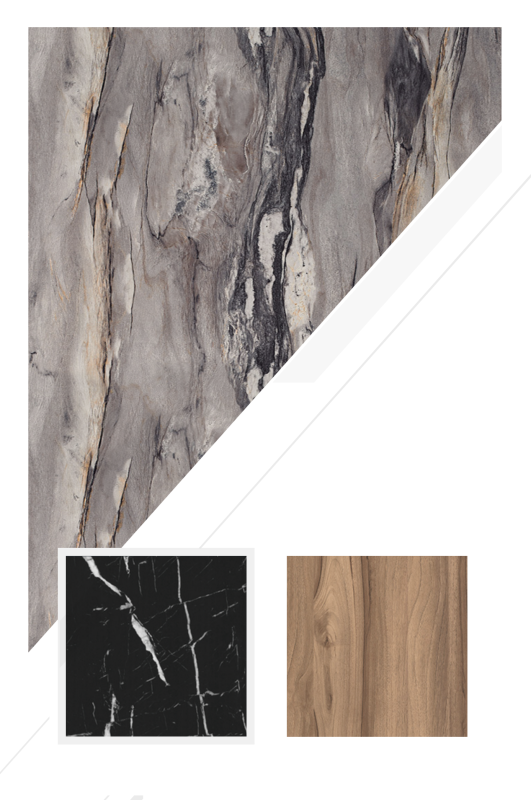
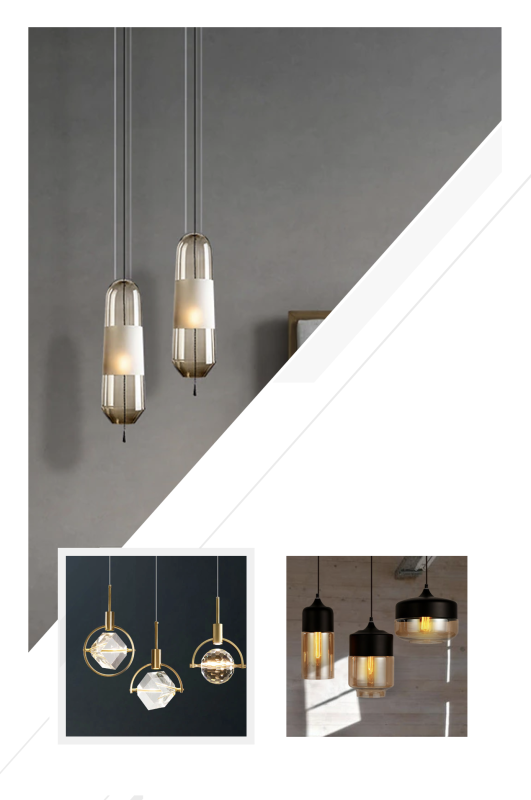
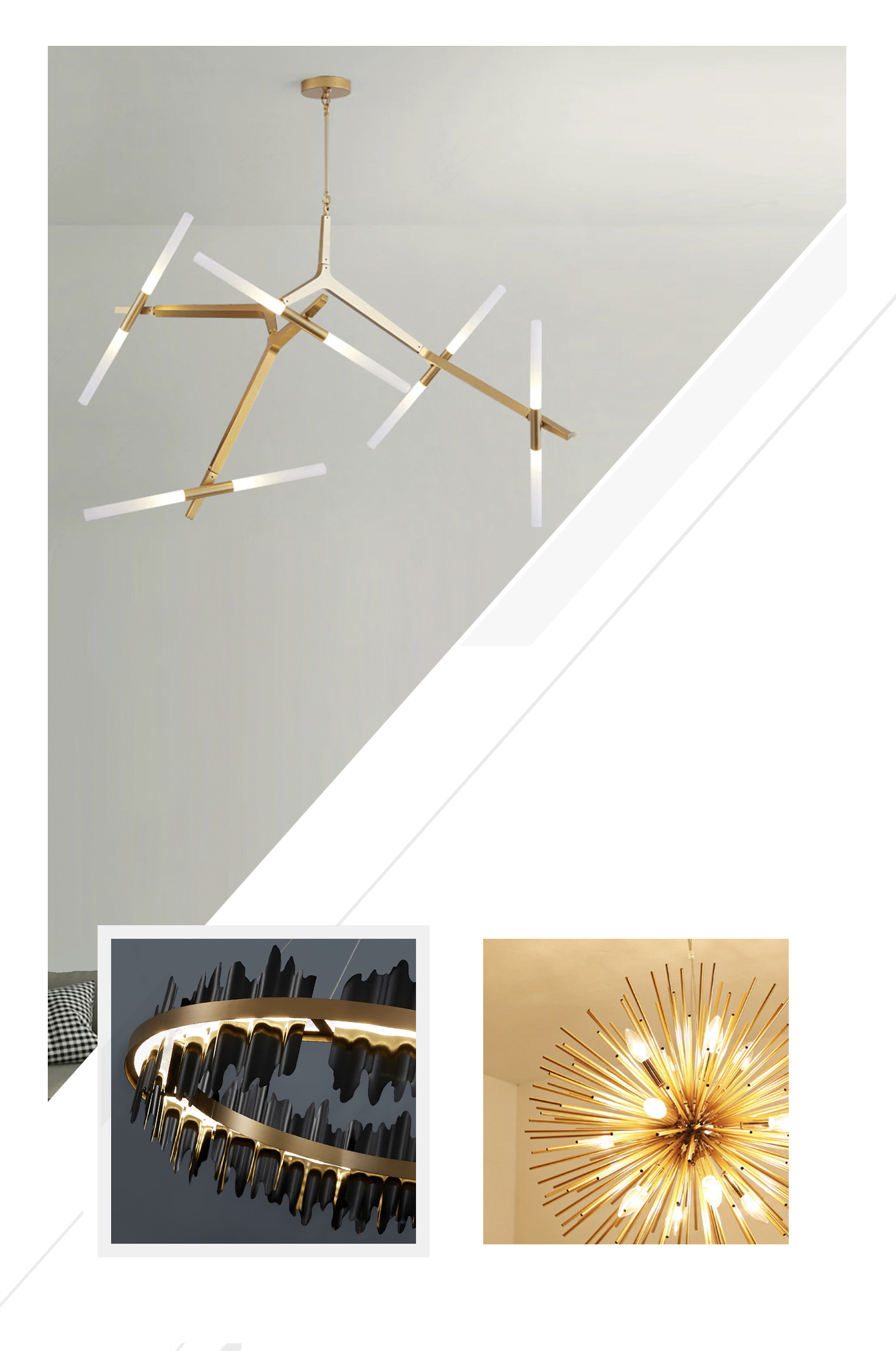
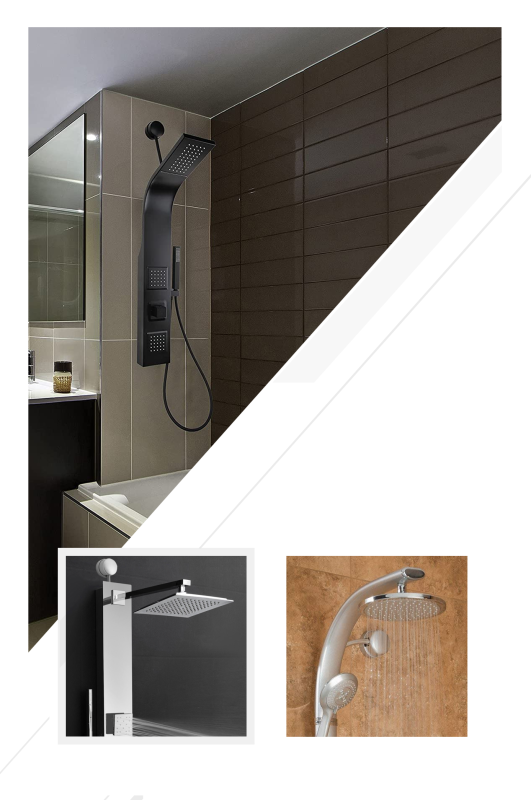
Once the site is understood, homeowners select a layout and design direction. Modular does not mean generic. Floor plans, finishes, window packages, and exterior details are chosen to suit both the site and how the home will be used.
Finalizing design decisions early allows the factory build to move forward efficiently and accurately.
This approach encourages intentional design. Rather than making changes mid construction, homeowners are guided to think through how they will live in the space day to day, which leads to better long term satisfaction.
Understanding Budget and Scope
Budget clarity is an essential part of the modular process. Homeowners receive a clear understanding of what is included, what is site specific, and where flexibility exists.
Because the home itself is built in a controlled environment, pricing for the structure is often more predictable. Site work, utilities, and permitting are discussed openly so expectations are realistic from the start.
This transparency allows homeowners to make informed decisions without feeling pressured or uncertain.
Factory Construction Phase
With plans approved, the home enters production. Modular sections are built indoors under consistent conditions, which protects materials and allows teams to work with precision.
Electrical, plumbing, insulation, drywall, cabinetry, and finishes are completed in sequence. Quality checks occur throughout the process, not just at the end.
Building indoors reduces exposure to weather delays and allows trades to work more efficiently. This results in consistent craftsmanship and tighter finishes.
Parallel Site Preparation
While the home is being built in the factory, site work moves forward. Foundations, utility connections, and access preparation are coordinated so everything is ready for delivery.
This parallel workflow is one of the biggest advantages of modular construction, reducing total project time.
Homeowners often appreciate that much of the disruption happens in a shorter, more defined window rather than stretching on for months.
Delivery, Set, and Final Completion
Once the modular sections are complete, they are transported to the site and set on the foundation. This phase is carefully scheduled and often completed in a very short window.
Final connections, exterior finishes, inspections, and approvals follow. At this point, the home transitions from a construction project to a finished residence.
For many homeowners, the most surprising part of the process is how calm the final stages feel compared to traditional builds.
Quality Control and Inspections
Modular homes are built to the same building codes as site built homes and often exceed expectations due to layered inspections throughout the process.
Inspections occur at the factory level and again on site, ensuring systems perform as intended and meet local requirements.
This layered approach supports long term durability and homeowner confidence.
Living in a Modular Home
Once complete, a modular home lives like any other permanent residence. Utilities function normally, finishes age naturally, and the home becomes part of the neighborhood.
Homeowners often comment on how solid and quiet modular homes feel, a result of precise construction and controlled assembly.
The goal is not just a faster build, but a home that feels comfortable, durable, and well considered for years to come.
About Joy Line Homes
Joy Line Homes delivers thoughtfully designed modular and manufactured homes across California, with a focus on clarity, quality, and long-term value.
Visit AduraAdu.com to explore modular home designs and planning options.
Let's Get Started
Please Select the form that applies to you by selecting the appropriate tab above.
We are based in Santa Clara County ,
California
Tel: (831) 888-Home
Email: info@joylinehomes.com
Business Hours: 9am - 6pm