How Modern California Homes Balance Openness and Privacy
By Joy Line Homes
California homes have long been associated with openness. Large windows, indoor outdoor living, and fluid layouts are hallmarks of modern residential design across the state. This openness reflects the climate, lifestyle, and connection to landscape that many homeowners value. At the same time, privacy remains a critical concern, especially in denser neighborhoods and urban settings.
Modern California homes succeed when they balance these two needs rather than choosing one over the other. Openness without privacy can feel exposed and uncomfortable, while privacy without openness can feel closed off and disconnected. Thoughtful design allows both qualities to coexist, creating homes that feel expansive yet protected.
This balance is increasingly important as lot sizes shrink, ADUs become more common, and multigenerational living grows. Designers and builders are responding with strategies that support light, air, and views while still respecting personal space and boundaries.
The California Context
California’s climate encourages homes to open outward. Mild temperatures and abundant daylight make outdoor spaces feel like natural extensions of interior rooms. However, many modern homes are built in neighborhoods where homes sit closer together than in the past.
Balancing openness and privacy in this context requires intentional planning. The goal is not to block views or sunlight, but to direct them carefully. This often means designing openings that frame desirable views while minimizing sightlines from neighboring properties.
Density Changes the Design Equation
As housing density increases across California, privacy becomes a more nuanced challenge. Designers must consider how homes relate to each other vertically and horizontally. Solutions that worked on larger lots may not translate directly to infill or hillside sites.
Modern design responds by layering privacy rather than relying on a single solution.
Strategic Window Placement
Windows are one of the most powerful tools for balancing openness and privacy. Instead of maximizing glass everywhere, modern California homes often use strategic placement. High windows, corner glazing, and carefully aligned openings bring in light without exposing interiors.
Clerestory windows are especially effective. They allow daylight to penetrate deep into the home while maintaining privacy at eye level. When combined with thoughtful orientation, these windows support both comfort and openness.
Indoor Outdoor Living Without Overexposure
Indoor outdoor living is central to California home design, but it does not require full exposure to neighbors. Courtyards, patios, and decks can be designed as semi private spaces rather than open yards. These outdoor rooms feel intimate while still connecting to the landscape.
By shaping outdoor spaces with walls, screens, or changes in elevation, designers create environments that feel open to the sky but protected from view. This approach allows homeowners to enjoy outdoor living without sacrificing comfort.
Courtyards as Privacy Buffers
Courtyard layouts have reemerged as a popular strategy. By orienting primary living spaces around an internal outdoor area, homes gain light and airflow while shielding views from the street or neighbors. This configuration works well for both single family homes and ADUs.
Layering Spaces for Comfort
Modern homes often use a sequence of spaces to transition from public to private. Entry zones, semi public living areas, and more secluded bedrooms are arranged so privacy increases as one moves deeper into the home.
This layering supports openness where it is most appropriate, such as living and dining areas, while preserving privacy for rest and personal activities. It also makes homes feel intuitive and comfortable to navigate.
Material Choices and Screening
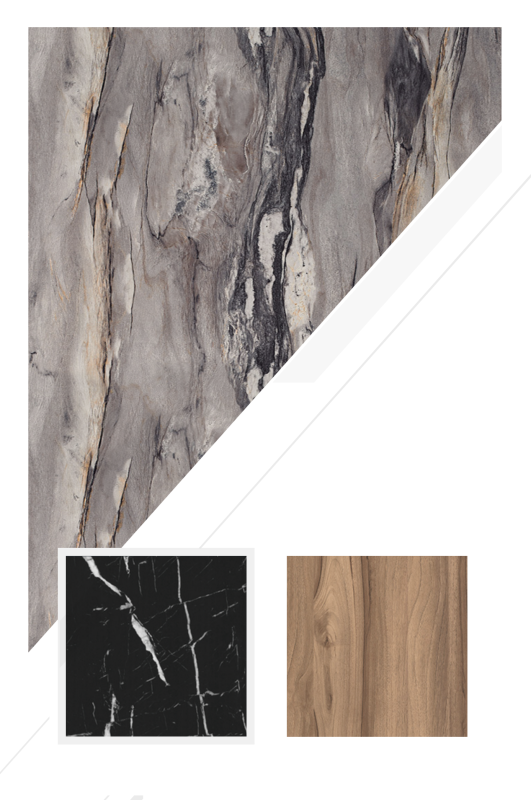
Materials play a subtle but important role in balancing openness and privacy. Screens, slatted walls, and perforated panels can filter views while allowing light and air to pass through. These elements feel lighter than solid walls and contribute to a modern aesthetic.
Landscaping also functions as a privacy layer. Thoughtfully placed trees, hedges, and planters soften boundaries and enhance the connection between indoors and outdoors.
Privacy Through Orientation
Orientation is one of the most effective privacy tools. By positioning primary windows and outdoor spaces away from neighboring sightlines, homes can remain open without feeling exposed. This requires early coordination between site analysis and architectural design.
In hillside or urban settings, orientation decisions often determine whether a home feels peaceful or constantly observed.
Open Plans With Defined Zones
Open floor plans remain popular in California, but modern interpretations often include subtle boundaries. Changes in ceiling height, furniture placement, or material transitions help define zones within open spaces.
These cues create psychological privacy without closing off rooms. Residents can feel connected while still having a sense of personal territory.
Acoustic Privacy Matters
Privacy is not only visual. Acoustic separation is equally important. Modern homes balance openness with sound control through insulation, strategic wall placement, and thoughtful mechanical design. This ensures shared spaces remain comfortable even during simultaneous activities.
ADUs and Multigenerational Living
Accessory dwelling units and multigenerational homes heighten the need for privacy. Separate entrances, defined outdoor spaces, and careful window placement allow multiple households to coexist comfortably.
At the same time, shared courtyards or gardens can provide opportunities for connection when desired. This balance supports flexibility and long term livability.
The Role of Modular and Factory Built Homes
Modular and factory built homes can support this balance effectively. Because layouts, window placements, and assemblies are coordinated early, privacy strategies can be integrated from the start rather than added later.
Precision construction also helps ensure that design intentions around openness and screening are executed consistently.
Designing for Long Term Comfort
Balancing openness and privacy is not a one time decision. Homes should adapt as needs change. Flexible spaces, operable screens, and adjustable shading allow residents to control their environment over time.
This adaptability is especially valuable in California, where lifestyles and household structures evolve.
Conclusion
Modern California homes succeed when they thoughtfully balance openness and privacy. Through strategic window placement, layered spaces, material choices, and careful orientation, designers create homes that feel expansive yet protected.
Whether built traditionally or through modular construction, homes that achieve this balance support comfort, connection, and long term livability. The result is a residential experience that reflects both California’s openness and the human need for refuge.
About Joy Line Homes
Joy Line Homes helps California homeowners design modern, factory-built, and modular housing that balances openness, privacy, and long-term value.
Visit AduraAdu.com to explore planning resources.
Let's Get Started
Please Select the form that applies to you by selecting the appropriate tab above.
We are based in San Jose County ,
California
Tel: (831) 888-Home
Email: info@joylinehomes.com
Business Hours: 9am - 6pm