What Manufactured Homes Really Are and How They’re Regulated in California
By Joy Line Homes
Rethinking Manufactured Homes in California
Manufactured homes have quietly undergone one of the most significant transformations in the housing industry, yet many homeowners still picture outdated mobile homes when they hear the term. In California today, manufactured homes are regulated, engineered, and built to standards that align with modern expectations for safety, durability, and livability.
Understanding what manufactured homes truly are begins with separating past assumptions from present reality. These homes are no longer temporary structures or short term solutions. When properly installed, they function as permanent residences, indistinguishable in performance from many site built homes.
What Defines a Manufactured Home
A manufactured home is a residence built in a controlled factory environment under the federal HUD Code. This code establishes requirements for structural integrity, energy efficiency, fire safety, transportation strength, and durability. Every manufactured home produced today must meet these national standards before it ever leaves the factory.
Unlike traditional construction, which is exposed to weather delays, labor inconsistencies, and site variability, manufactured homes are built with repeatable processes and consistent quality controls. This leads to tighter construction tolerances and predictable outcomes.
The HUD Code and Why It Matters
The HUD Code is often misunderstood, yet it is one of the most important aspects of modern manufactured housing. It governs everything from roof load strength to wind resistance, electrical systems, plumbing, and fire performance.
In California, manufactured homes must also meet state specific requirements related to seismic conditions and energy efficiency. This layered oversight ensures homes are appropriate for California’s unique environmental conditions.
How Inspections Are Handled
Manufactured homes are inspected multiple times during construction. Third party inspectors verify compliance with HUD standards at different production stages. This process reduces the risk of hidden issues that may go unnoticed in traditional jobsite builds.
Manufactured Homes vs Older Mobile Homes
One of the biggest sources of confusion is the difference between manufactured homes and older mobile homes. Homes built before 1976 were not regulated under the HUD Code and often lack modern safety features.
Today’s manufactured homes are engineered to current standards and should not be compared to pre code housing. The difference is not cosmetic. It is structural, regulatory, and functional.
Permanent Foundations and Real Property Status
In California, manufactured homes can be placed on permanent foundations and classified as real property rather than personal property. This distinction is important for financing, taxation, and resale value.
Once installed on an approved foundation and recorded with the county, a manufactured home becomes part of the land. This allows homeowners to access traditional financing options and treat the home like any other residential property.
How California Regulates Manufactured Homes
California adds additional oversight through the Department of Housing and Community Development. This includes installation standards, foundation requirements, seismic compliance, and permitting coordination with local jurisdictions.
Each city and county may have its own zoning and placement rules, but state law increasingly supports manufactured housing as a legitimate solution to California’s housing shortage.
Design and Livability Have Changed
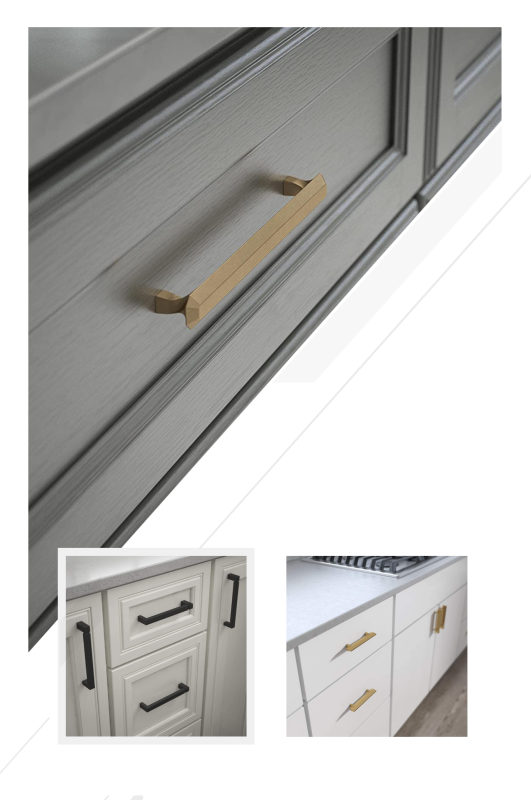
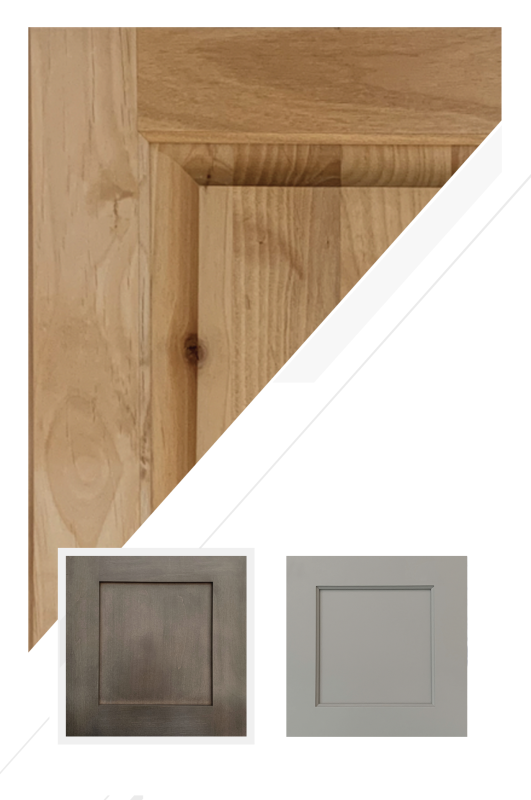
Modern manufactured homes are no longer limited to narrow layouts or basic finishes. Today’s designs emphasize open living, natural light, functional kitchens, and thoughtful storage.
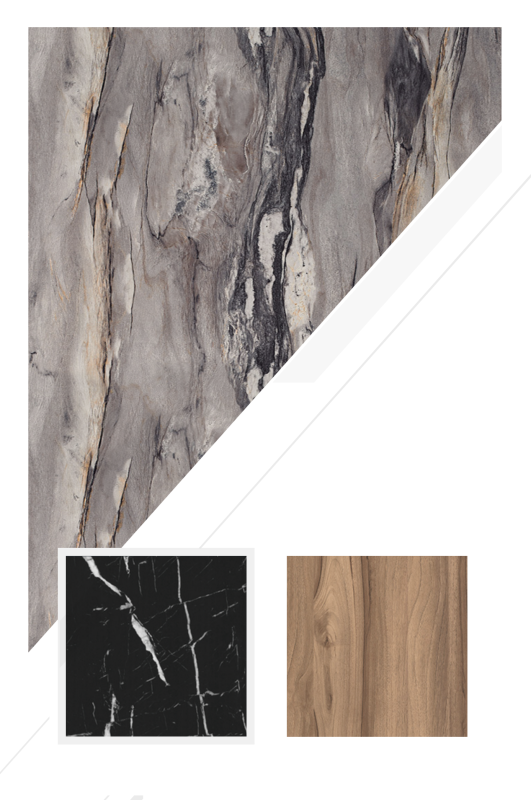
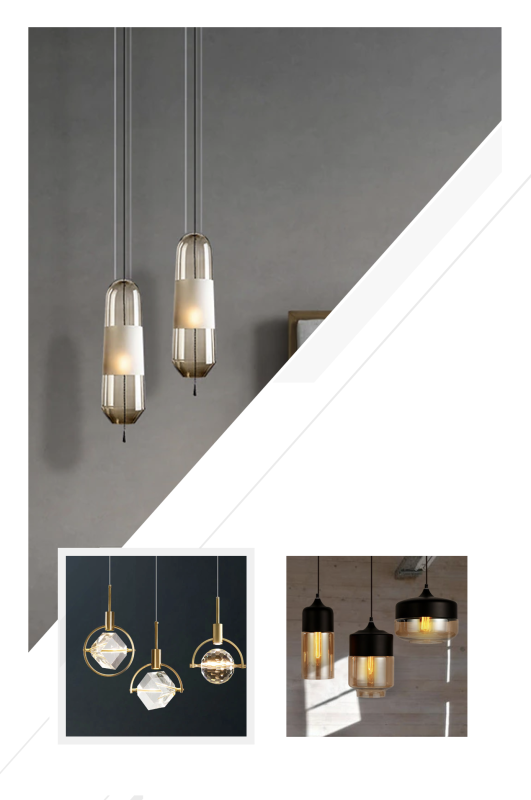
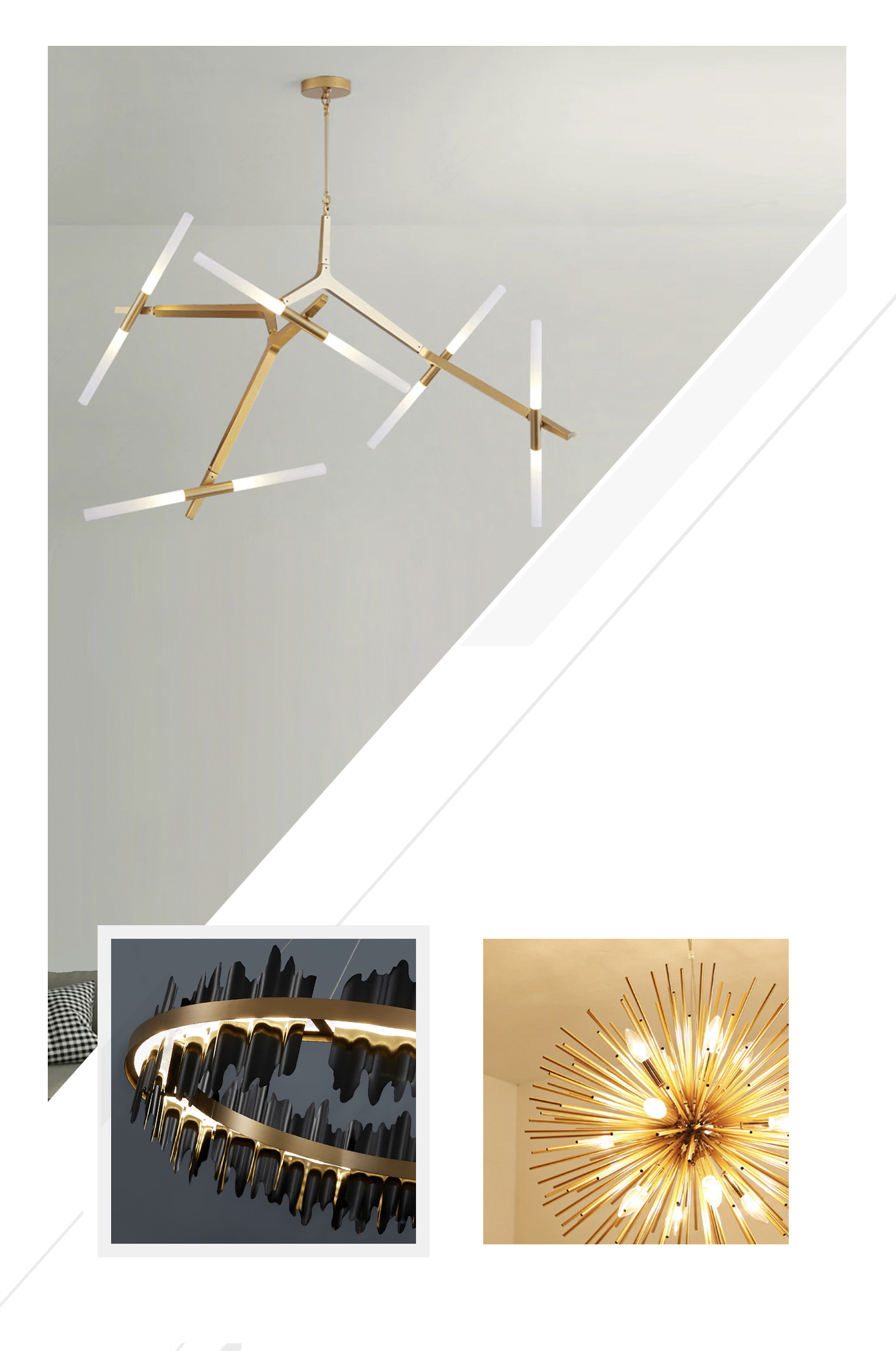
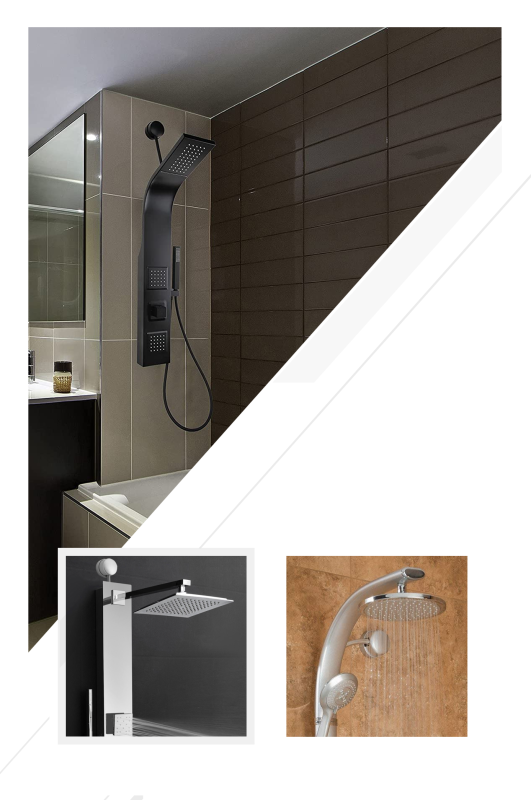
Homeowners can choose from contemporary exteriors, modern interiors, and floor plans that support everyday living. Many manufactured homes now feature vaulted ceilings, large windows, and materials that rival site built construction.
Energy Efficiency and Comfort
Manufactured homes are required to meet energy efficiency standards that support comfort and long term savings. Insulation, window performance, and HVAC systems are integrated into the design rather than added later.
This holistic approach results in homes that are easier to heat and cool, reducing long term operating costs while improving indoor comfort.
Fire Safety and Structural Performance
Fire safety is a major consideration in California housing. Manufactured homes are built with fire rated materials, protected wiring systems, and tested assemblies that reduce risk.
When installed properly and paired with site planning strategies, manufactured homes can perform well in fire conscious design scenarios.
Timeline Predictability
One of the most appealing aspects of manufactured homes is timeline clarity. While site preparation and permitting still require coordination, the home itself is built concurrently in the factory.
This overlap can significantly shorten the overall project duration, allowing homeowners to move in sooner with fewer construction disruptions.
Who Manufactured Homes Work Best For
Manufactured homes are well suited for homeowners seeking cost clarity, faster timelines, and long term livability. They are often used as primary residences, replacement homes, or housing for multigenerational families.
They are also increasingly used in fire rebuild situations, rural properties, and areas where traditional construction is cost prohibitive.
A Modern Housing Option Worth Understanding
Manufactured homes today are not a compromise. They are a regulated, engineered housing option that aligns with modern expectations for safety, comfort, and longevity.
At Joy Line Homes, we help homeowners understand what manufactured housing truly offers so decisions are based on facts, not outdated assumptions.
About Joy Line Homes
Joy Line Homes designs and delivers modern manufactured homes and housing solutions across California, with a focus on quality, clarity, and long term livability.
Visit AduraAdu.com to explore housing options and floor plans.
Let's Get Started
Please Select the form that applies to you by selecting the appropriate tab above.
We are based in Santa Clara County ,
California
Tel: (831) 888-Home
Email: info@joylinehomes.com
Business Hours: 9am - 6pm