Planning an ADU for Long-Term Use, Not Just Immediate Needs
By Joy Line Homes
Most homeowners start planning an ADU with a very specific purpose in mind. It might be a place for a parent to live nearby, a rental unit to help offset the mortgage, a guest suite for visiting family, or a work space that finally creates separation from the main house. Those immediate goals are real, and they often drive the first round of design decisions.
But the most successful ADUs are rarely the ones designed only for today’s needs. They are the ones designed for the next ten to twenty years, when the household looks different, the neighborhood changes, and the way the home is used evolves. A long-term ADU plan anticipates that life does not stand still. It builds flexibility into the layout, the structure, the utility systems, and even the way the outdoor space is shared.
Planning for long-term use is not about overbuilding or adding expensive upgrades. It is about making smart choices now that reduce the need for remodels later. It means designing a small home that can shift roles without losing comfort, privacy, or functionality. In California, where property costs are high and permitting can be time-consuming, building adaptability into the first build is often the most cost-effective strategy.
Start With a Future Timeline, Not a Single Use Case
A helpful way to plan an ADU is to imagine it in three phases. Phase one is the first occupant and the first purpose, such as a short-term rental or a family member. Phase two is a transition period when needs shift, like a home office becoming a studio apartment or a caregiver suite becoming a long-term rental. Phase three is the long view, when the ADU may become the primary residence for aging in place, or when it becomes a key part of resale value.
When homeowners only design for phase one, they tend to make narrow decisions. They might build a kitchenette that is too small for real cooking, skip closets to save space, or choose finishes that look good now but do not age well. A long-term plan asks different questions. Can this unit support independent living if needed. Can it be rented easily without major changes. Can it function for someone with mobility limitations. Does the layout support privacy for both households.
Thinking in phases helps prioritize the features that matter most. It also prevents the common trap of designing an ADU as a temporary structure that later needs to be rebuilt or heavily remodeled. A well-planned ADU can serve multiple roles over time without losing its sense of being a real home.
Design the Layout Around Everyday Patterns
Long-term use begins with how the space feels on an ordinary day. A small home can be highly functional, but only if the layout follows daily routines. This includes clear circulation, a kitchen that supports real meals, a bathroom that feels comfortable, and storage that prevents clutter from taking over the living area.
One of the biggest layout mistakes in ADUs is designing a space that looks efficient on paper but feels cramped in real life. Tight hallways, awkward door swings, and undersized storage areas create friction that becomes more noticeable over time. A better approach is to simplify circulation and give key areas just enough room to work well.
Flexible Rooms Beat Overspecialized Spaces
Rooms that do only one thing are often the first to feel outdated. A long-term ADU layout favors flexible zones over rigid labels. A living room can double as a workspace if outlets, lighting, and furniture placement allow it. A dining niche can function as a desk area. A bedroom can support a future caregiver arrangement if the bathroom is easy to access and the path to the entry is clear.
Flexibility is not about making everything open. It is about allowing the space to shift functions without requiring structural changes. Sliding doors, built-in storage, and thoughtful wall placement make a small home feel adaptable rather than fixed.
Plan for Storage Like It Is a Core Utility
Storage is one of the most important long-term success factors for an ADU, and it is also one of the most commonly underestimated. When storage is missing, residents bring in furniture pieces to compensate. That adds clutter, reduces circulation, and makes the unit feel smaller over time.
Long-term storage planning includes a real bedroom closet, linen storage near the bathroom, pantry space in the kitchen, and a place for cleaning supplies. It also includes thinking about bulky items that show up in daily life, like vacuum cleaners, luggage, extra bedding, and seasonal items.
In many California properties, outdoor storage is also limited. If the ADU replaces a garage or reduces yard space, that storage loss should be addressed early. Built-in cabinetry, under-stair storage in two-story layouts, and efficient closet systems can dramatically improve livability without increasing square footage.
Design for Privacy Between Households
Many ADUs begin as family housing and later become rentals, or they begin as rentals and later become family housing. In both cases, privacy is what makes the arrangement sustainable. Privacy is not just about sound insulation. It is also about how people move across the property, how windows are placed, and how outdoor space is divided.
A long-term privacy plan considers entry placement first. Separate paths and distinct entry doors reduce daily overlap. It also considers sightlines. Windows should be positioned to bring in light without creating direct views into the main house or neighboring yards.
Outdoor space matters too. Even a small patio can become a private extension of the home if it is defined and screened. A shared yard can still work, but it benefits from clear boundaries, landscaping buffers, and thoughtful circulation routes that prevent constant crossing of private zones.
Plan for Aging in Place Without Making It Feel Clinical
Even if an ADU is not intended for aging in place today, it often becomes a future option. Designing for accessibility early does not mean turning the unit into a medical space. It means making quiet choices that support comfort for a wider range of people.
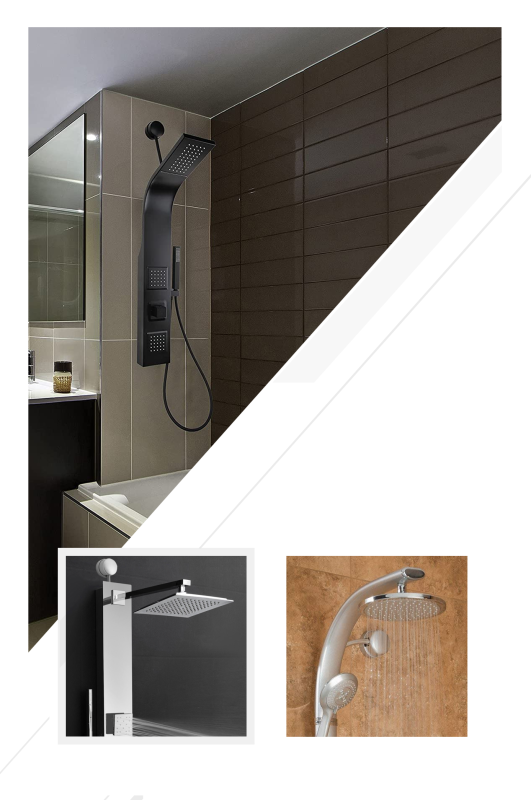
Step-free entries, wider doorways where possible, and bathrooms with sufficient clearances create flexibility. A walk-in shower with a low threshold is easier for everyone, not just older adults. Reinforcing bathroom walls for future grab bars is inexpensive during construction and difficult later. Planning for a reachable laundry setup and comfortable kitchen circulation can also extend the usefulness of the unit.
These decisions protect long-term value. They make the ADU more appealing to renters, more usable for family, and more adaptable when needs change unexpectedly.
Invest in Systems That Reduce Maintenance Over Time
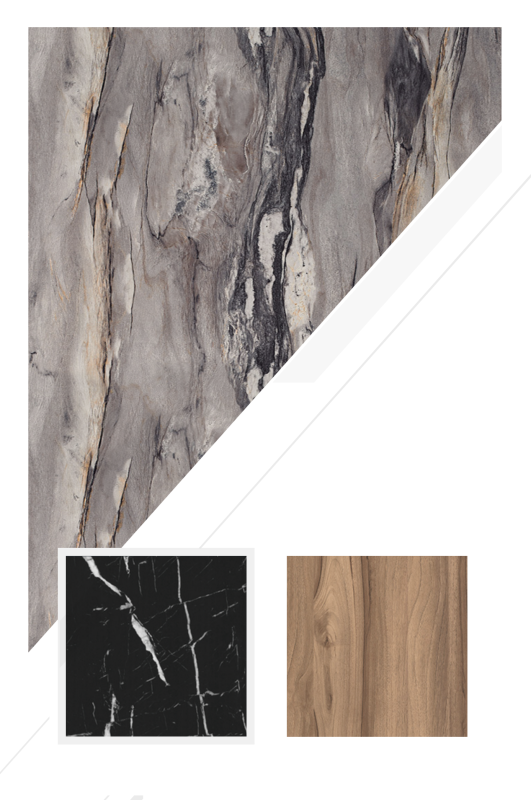
Long-term ADU planning includes thinking about maintenance, not just appearance. Some materials look great in the first year but demand constant attention. Others age gracefully and reduce ongoing costs. Choosing durable finishes can protect both the homeowner and the occupant from surprise repairs.
Flooring is a common example. Durable surfaces that resist scratches and moisture perform better in rentals and multigenerational use. Exterior cladding choices matter too, especially in areas exposed to sun, wind, or coastal air. Roofing, gutters, flashing, and window quality are not glamorous line items, but they shape long-term performance.
Mechanical systems should also be selected with the long view in mind. Efficient heating and cooling, proper ventilation, and reliable water heating reduce operating costs. They also reduce moisture problems that lead to maintenance issues later.
Design for Energy Costs and Comfort
Operating costs are part of long-term planning. A small home can still feel uncomfortable if it overheats in summer or loses heat quickly in winter. Good insulation, high-quality windows, and proper shading improve comfort and reduce energy bills.
Daylight should be balanced with heat control. South and west exposures can create beautiful light but also increase cooling demand. Window placement, overhangs, and ventilation strategies should be considered early, especially in hotter inland areas of California.
Acoustic comfort matters too. An ADU near a street or close to the main house benefits from better window assemblies and insulation. Comfort is not only temperature. It is also quiet, air quality, and consistent performance through the seasons.
Build With the Future Resale Story in Mind
Even if you never plan to sell, resale value is a useful lens. It forces the design to stay broadly functional. A buyer may not share the same immediate needs, but they will value a well-designed unit that can serve multiple purposes.
Resale-friendly ADUs tend to include real kitchens, comfortable bathrooms, and clear separation of living zones. They avoid overly niche features that limit future use. They also present well from the outside, with good proportions, thoughtful landscaping, and materials that feel permanent.
Documentation matters too. Permitted construction, clear utility separation if required, and well-maintained systems all support future value. An ADU that feels integrated and well-planned can become a major selling point rather than a question mark.
Why Factory-Built ADUs Can Support Long-Term Planning
Factory-built and modular construction methods can support long-term ADU performance when paired with thoughtful design. Coordinated planning in a controlled environment often results in tighter tolerances, better consistency, and fewer onsite surprises. That can translate into improved insulation performance, cleaner finish work, and fewer maintenance issues tied to field variability.
Predictability also helps homeowners make better decisions. When the build process is more consistent, it is easier to allocate budget toward durable materials and long-term systems rather than spending it on unexpected onsite delays. The goal is not just speed. The goal is a complete home that performs well year after year.
What It Looks Like When Long-Term Planning Works
A long-term ADU does not announce itself as flexible. It simply feels right. The kitchen is usable. The storage is adequate. The bathroom is comfortable. The unit is bright without being exposed. The outdoor space feels intentional. It can house a family member now and a renter later without major changes.
Most importantly, it avoids the feeling of being temporary. It is designed as a real home, built with the expectation that it will be used for decades. When that mindset guides design choices, the ADU becomes a lasting asset, not a short-term fix.
About Joy Line Homes
Joy Line Homes helps California homeowners plan ADUs and factory-built housing that prioritize comfort, flexibility, and long-term value.
Visit AduraAdu.com to explore ADU planning resources.
Let's Get Started
Please Select the form that applies to you by selecting the appropriate tab above.
We are based in San Jose County ,
California
Tel: (831) 888-Home
Email: info@joylinehomes.com
Business Hours: 9am - 6pm