Planning Homes With Long-Term Adaptability in Mind
By Joy Line Homes
Most homes are designed around a snapshot in time. They reflect the household size, lifestyle, and priorities of the moment they are built. What they often fail to account for is change. Families grow and shrink. Work patterns evolve. Health needs shift. Economic conditions fluctuate. Climate pressures intensify. A home that cannot adapt to these changes becomes increasingly expensive to live in, maintain, or modify.
Planning homes with long-term adaptability in mind is not about predicting the future perfectly. It is about acknowledging that change is inevitable and designing spaces, systems, and structures that can respond without major disruption. Adaptability is a form of resilience. It protects both financial investment and quality of life over decades of ownership.
In modern housing, adaptability has become a core performance metric. Homes that can evolve gracefully remain useful longer, cost less to modify, and retain value better than those designed for a single, fixed use.
Why Fixed-Use Homes Age Poorly
Homes designed around rigid assumptions tend to struggle as circumstances change. A layout optimized for a large family may feel inefficient once children move out. A home built without workspace becomes inadequate as remote work becomes permanent. A multistory layout may present challenges as mobility needs change.
When a home cannot adapt, owners face difficult choices. They either live with discomfort, invest in costly renovations, or move. Each option carries financial and emotional cost.
Adaptable homes reduce these pressures by accommodating change through thoughtful planning rather than reactive remodeling.
Adaptability Starts With Layout Strategy
Floor plan flexibility is one of the most powerful tools for long-term adaptability. This does not require open plans everywhere. It requires rooms that can change purpose without structural modification.
Bedrooms that can function as offices, dens that can convert to sleeping space, and living areas that support multiple furniture arrangements all extend a home’s useful life. Clear circulation, reasonable room proportions, and limited load-bearing interior walls allow future changes with minimal disruption.
Adaptable layouts also avoid over-specialization. Spaces designed for a single narrow function often become obsolete quickly.
Design for More Than One Scenario
The most adaptable homes are designed to support several plausible futures rather than one idealized lifestyle.
Structural Planning That Allows Change
Structural decisions made early can either enable or block adaptability. Homes that rely on a few well-placed structural elements offer more flexibility than those with complex, fragmented load paths.
Clear spans, aligned framing, and predictable structural grids allow walls to move or be added later. This approach reduces the cost and complexity of future renovations.
Factory-built and modular systems often excel here, since structural logic is resolved early and repeated consistently.
Systems That Anticipate Growth and Change
Mechanical, electrical, and plumbing systems are often the most expensive elements to modify after construction. Planning them with adaptability in mind significantly reduces future cost.
Electrical systems should allow capacity for additional loads, such as electric vehicles, heat pumps, or future ADUs. Plumbing layouts that are centralized and accessible simplify expansion or reconfiguration.
Mechanical systems benefit from right-sizing and zoning. Systems designed to serve flexible spaces can adjust to changing occupancy without replacement.
Adaptability and Aging in Place
Long-term adaptability is closely tied to aging in place. Even homeowners who do not anticipate mobility challenges benefit from homes that are easier to navigate.
Single-level living options, wider circulation paths, and bathrooms designed for future accessibility allow residents to remain in their homes longer. These features also increase comfort for guests and improve resale appeal.
Importantly, adaptable accessibility does not require institutional aesthetics. It requires thoughtful planning.
ADUs as Adaptability Infrastructure
Accessory dwelling units are one of the most effective tools for long-term adaptability. They allow a property to support multiple living arrangements over time.
An ADU may begin as rental housing, transition to family use, serve as a workspace, or provide housing for caregivers. When designed to the same performance standards as the primary home, an ADU enhances adaptability rather than adding complexity.
Planning an ADU early, even if it is built later, preserves site flexibility and reduces future disruption.
Envelope Design and Climate Adaptability
Climate conditions are changing faster than many homes can respond. Adaptable homes anticipate increasing heat, smoke events, storms, and energy demand.
Strong building envelopes reduce dependence on mechanical systems and make homes more tolerant of extreme conditions. This improves comfort today and resilience tomorrow.
Homes that adapt well to climate stress experience lower operating costs and fewer emergency upgrades.
Material Choices That Support Change
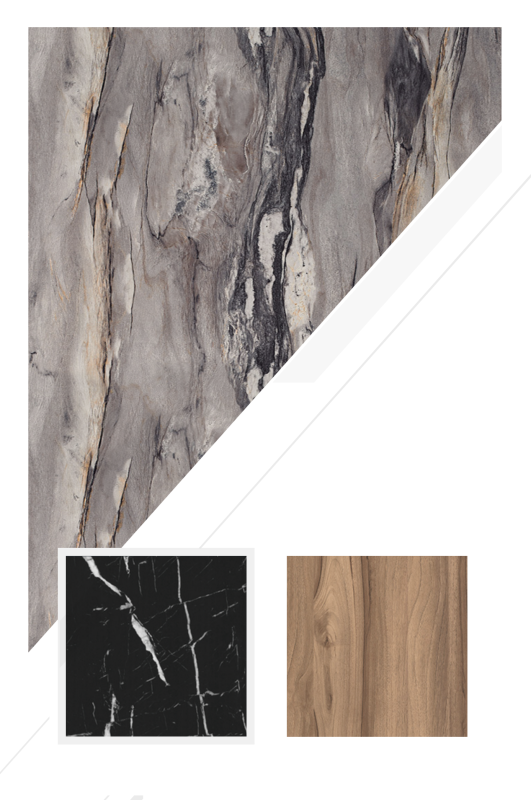
Durable materials extend adaptability by reducing the need for replacement during renovations. When finishes and assemblies are resilient, changes can focus on layout rather than repair.
Materials that age gracefully also support resale value. Buyers recognize homes that have been designed to last.
Insurance and Financial Adaptability
Homes that adapt well are also easier to insure. Fire resilience, moisture control, and system coordination reduce loss risk.
Insurance markets increasingly reward homes that demonstrate thoughtful planning and predictable performance.
Adaptability, in this sense, is financial protection.
Factory-Built Systems and Repeatable Flexibility
Factory-built and modular homes often outperform site-built homes in adaptability because systems are coordinated early.
Repeatable assemblies, consistent detailing, and documented performance make future changes more manageable.
Adaptability becomes a built-in feature rather than an afterthought.
Resale Value and Market Longevity
Homes that can adapt appeal to a wider range of buyers. They support different household types, work patterns, and life stages.
This broad appeal protects resale value even as market preferences shift.
Conclusion
Planning homes with long-term adaptability in mind is an investment in durability, comfort, and financial stability. It acknowledges that life changes and that housing should respond rather than resist.
Adaptable homes cost less to modify, remain usable longer, and retain value better over time. By designing for change rather than perfection, homeowners build resilience into the most important asset they own.
About Joy Line Homes
Joy Line Homes designs and delivers factory-built and modular homes that prioritize long-term performance, comfort, and value.
Visit AduraAdu.com to explore planning resources.
Let's Get Started
Please Select the form that applies to you by selecting the appropriate tab above.
We are based in San Jose County ,
California
Tel: (831) 888-Home
Email: info@joylinehomes.com
Business Hours: 9am - 6pm