Building Homes That Age Well Over Decades
By Joy Line Homes
Most homes look their best on day one. Paint is crisp, surfaces are unmarked, and everything feels new. The real test starts after the first rainy season, the first heatwave, and the first few years of daily use. A home that ages well over decades is not defined by perfection. It is defined by performance, resilience, and design choices that still make sense when trends fade and ownership needs change.
In California, aging well is becoming a higher bar. Homes face stronger sun exposure, more intense weather swings, higher utility costs, and rising expectations around indoor comfort. In many areas, wildfire risk and insurance realities also shape how long-term durability is perceived. Buyers and homeowners alike have started to value homes that feel stable, predictable, and low drama to maintain.
Building for decades does not mean building heavy or ornate. It means selecting assemblies that handle moisture, heat, movement, and time. It means planning systems that can be serviced without tearing the house apart. It means using materials that wear gracefully and layouts that remain functional as life stages evolve.
Start With the Right Definition of Durability
Durability is often misunderstood as strength alone. A durable home is also one that stays dry, stays comfortable, and stays maintainable. It is a home that can be inspected easily, repaired efficiently, and updated without major disruption. That is what makes ownership feel sustainable over the long run.
To build that kind of home, you have to treat the building as a system. The structure, exterior envelope, mechanical systems, and interior finishes all interact. Weak links usually show up where details were rushed or where parts were chosen without thinking about how they perform together.
Durability Is a Sequence of Small Decisions
Homes rarely fail because of one dramatic mistake. They age poorly due to a long list of small compromises. A flashing detail that was simplified. A vent that was undersized. A material that looked good but could not handle sun exposure. A layout that was efficient on paper but annoying in real life. The goal is not to overbuild. The goal is to remove predictable failure points.
Moisture Control Protects Everything Else
If you want a home to age well, keep water out and manage humidity inside. Moisture is one of the fastest ways to turn minor issues into expensive repairs. It can damage framing, insulation, finishes, and indoor air quality. Even when the damage is hidden, it can create odors, warped surfaces, and long-term maintenance stress.
Durable homes use clear drainage strategy. Roofs shed water without creating chronic pooling. Gutters and downspouts send water away from the foundation. Exterior cladding is detailed with proper flashings, transitions, and gaps where needed. Doors and windows are installed with attention to water management, not only appearance.
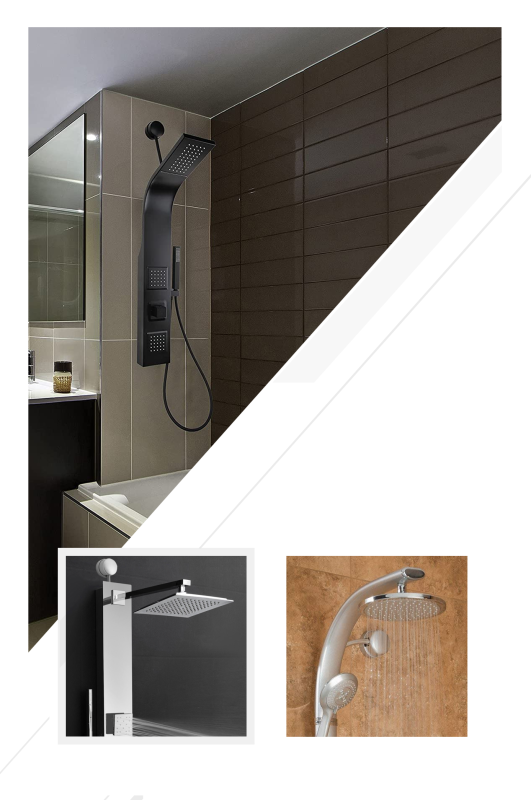
Inside the home, moisture control includes ventilation and smart placement of wet rooms. Bathrooms should vent effectively. Kitchens need proper exhaust. Laundry areas should be planned so the humidity has a way out, and plumbing access should be straightforward so small leaks are found early.
Design the Building Envelope Like a Long-Term Investment
The building envelope is the roof, walls, windows, doors, and the air and water control layers that keep the interior protected. When the envelope is done well, the home stays comfortable with less mechanical effort. Finishes last longer. Maintenance becomes predictable.
Some of the best aging decisions are not glamorous. Good air sealing reduces drafts and moisture migration. Quality insulation installed correctly prevents hot and cold spots that stress materials and frustrate occupants. High-performing windows reduce fading and improve comfort near glass. These choices also help a home remain desirable in future resale markets where buyers compare monthly costs and comfort expectations.
Durable envelope design also considers sun and orientation. Deep overhangs, exterior shading strategies, and thoughtful window placement can protect interiors while still delivering great daylight. This reduces wear on flooring and furniture, and it keeps cooling loads manageable over time.
Choose Materials That Wear Gracefully
Aging well does not mean resisting every scratch. It means choosing materials that do not look ruined when normal life happens. Some finishes show every mark and feel tired quickly. Others develop a natural patina that still looks intentional years later.
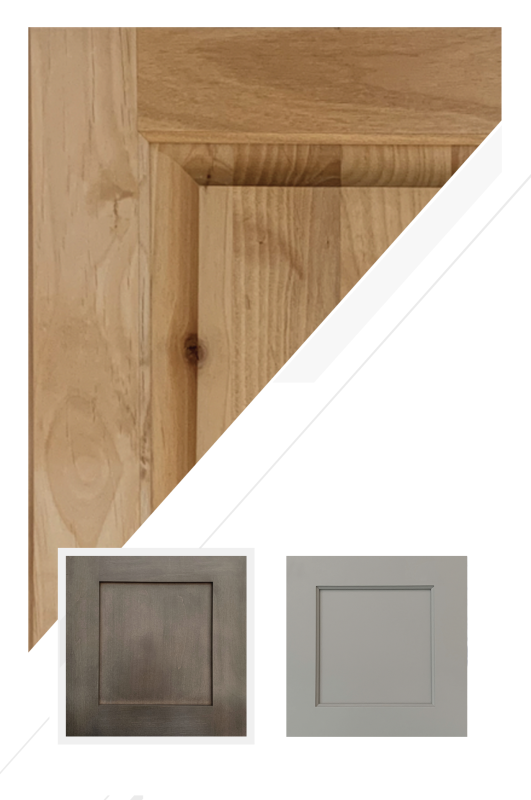
Flooring is a common example. Homes age better when flooring can handle moisture swings and foot traffic without constant repair. Exterior materials matter just as much. Siding, roofing, trim, and decking should be selected for the local climate and exposure. A coastal zone has different needs than a hot inland valley. A wooded canyon has different needs than a flat suburban lot.
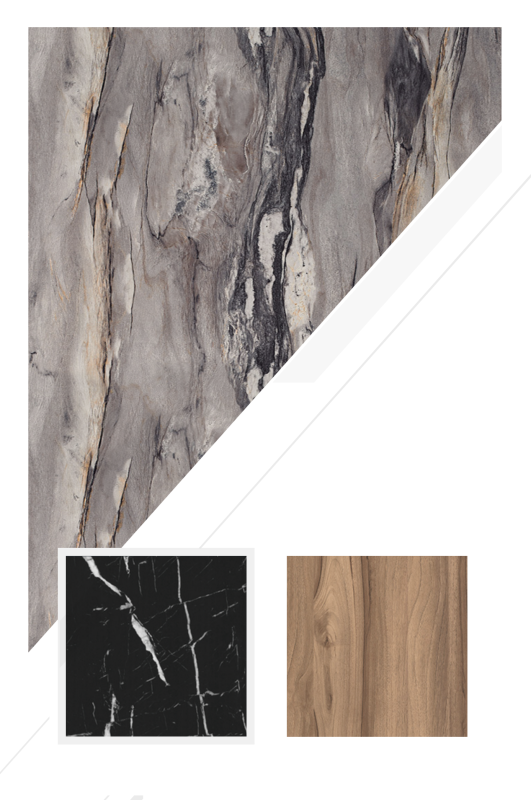
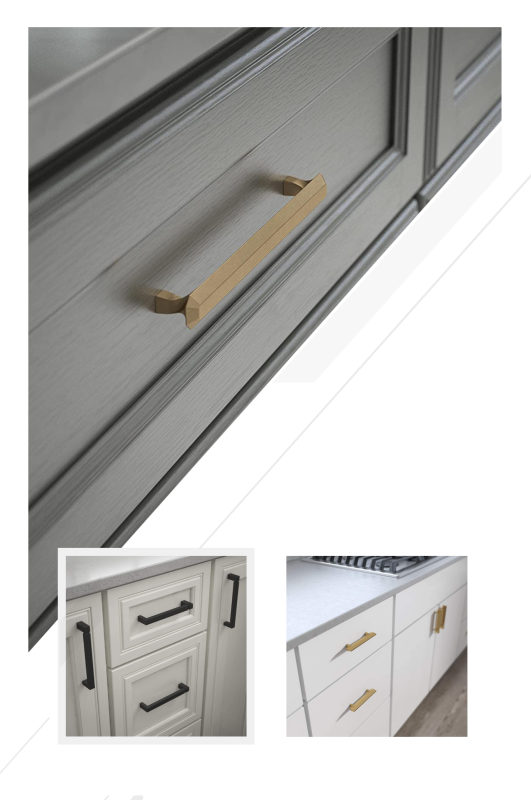
In kitchens and baths, durability shows up in edges, joints, and surfaces that are touched daily. Solid hardware, well-fitted doors, and durable counters prevent the slow decline that makes a home feel worn out. These details do not have to be flashy. They just have to be chosen with real use in mind.
Build for Serviceability, Not Just Installation
A home that ages well is easy to service. Filters can be changed without contortions. Shutoffs are accessible. Crawlspaces and attics are not treated as afterthoughts. Mechanical equipment has breathing room and clear pathways for maintenance.
Many long-term frustrations come from homes where systems were installed in the tightest possible spaces. That may save time during construction, but it increases cost and stress during ownership. Serviceable design reduces the likelihood of deferred maintenance, which is one of the main reasons homes decline in condition over time.
Electrical planning also matters. Panels should have capacity for future needs. Pathways for potential upgrades, such as heat pumps, solar, battery storage, and EV charging, reduce expensive retrofits later. Even if the owner does not add these immediately, the home becomes more adaptable as technology and standards evolve.
Layouts That Stay Useful as Life Changes
Some homes age poorly because the layout locks the owner into one lifestyle. A home ages better when it can flex. That does not require huge square footage. It requires rooms that can shift roles without feeling awkward. A guest room that can become an office. A main living area that supports both quiet evenings and family gatherings. Storage that can expand and contract with changing needs.
Consider how daily routines might change over twenty years. Mobility needs can shift. Work patterns can change. Family structures evolve. A home that anticipates these realities holds value because it continues to feel practical rather than dated or limiting.
Aging in Place Without Making It Feel Clinical
Designing for long-term use can include wider clearances, thoughtful bathroom layouts, and safer transitions without turning the home into a medical space. Simple choices like zero-threshold entries, well-lit paths, and convenient storage can make a home more comfortable for all ages.
Quality Control and Consistency
Homes that age well are usually built with disciplined process. Consistency reduces mistakes. Straight assemblies reduce finish cracking. Accurate installation improves the performance of windows, doors, and exterior transitions. Small errors compound over time, especially as materials expand and contract through seasons.
This is one reason controlled construction environments and standardized systems can support long-term outcomes. When details are repeated and verified, results become more predictable. Predictability leads to fewer surprises, fewer repairs, and stronger owner confidence.
Consistency also matters visually. When trim lines align, floors transition cleanly, and cabinetry is installed precisely, the home continues to feel well-made even after years of use. A home can be lived in and still feel composed when the baseline workmanship is strong.
Resilience Is Part of Aging Well
Decades of ownership include events you cannot schedule. Heavy storms. Wind. Heat. Smoke. In some regions, wildfire exposure. A home that ages well is one that can handle these pressures with less damage and less disruption.
Resilience starts with materials and detailing, but it also includes site planning. Defensible space strategy, ember-resistant detailing where appropriate, and durable roofing choices can reduce risk. Even when a homeowner never experiences a major event, the confidence of resilience supports long-term value and can influence insurance outcomes.
Documentation as a Long-Term Asset
Aging well is not only physical. It is administrative. A home that is easy to understand is easier to maintain and easier to sell. Keep documentation organized. Save permits, inspection sign-offs, product manuals, and finish references. Track service schedules for key systems. If a repair is done, record what was fixed and by whom.
This type of documentation reduces uncertainty for future buyers and reduces stress for the current owner. It signals that the home has been cared for in a professional way, which supports resale confidence.
Final Perspective
Homes that age well over decades are designed and built for reality. They stay dry, comfortable, and serviceable. They use materials that wear gracefully, systems that can be maintained, and layouts that remain practical as life changes. They also include resilience thinking and documentation habits that reduce uncertainty.
When you build with this long view, the home becomes more than a finished product. It becomes a stable asset that supports daily life, protects long-term budgets, and stays desirable through changing markets and changing needs.
About Joy Line Homes
Joy Line Homes helps California homeowners plan and build housing that prioritizes durability, comfort, and long-term value.
Visit AduraAdu.com to explore planning resources.
Let's Get Started
Please Select the form that applies to you by selecting the appropriate tab above.
We are based in San Jose County ,
California
Tel: (831) 888-Home
Email: info@joylinehomes.com
Business Hours: 9am - 6pm