Designing Guest Homes That Feel Like Primary Residences
By Joy Line Homes
Guest homes are often treated as secondary spaces, designed with the bare minimum to meet code and provide a bed. That approach usually shows immediately. The space feels temporary, the layout feels cramped, and the finishes feel more like an afterthought than a real living environment. Homeowners might accept this at first, but guests feel the difference right away and long-term use tends to reveal problems that could have been solved during design.
A guest home that feels like a primary residence is not defined by size. It is defined by dignity, comfort, and completeness. The space should support daily routines without constant compromise. It should feel calm and functional, not like someone is borrowing a corner of the property. When designed well, a guest home becomes a true extension of the main house and an asset that can evolve into multigenerational housing, rental income, a home office, or future downsizing.
Designing guest homes that feel like primary residences begins with a simple question: if you lived here full time, what would you need in order to feel settled. The answer shapes layout, light, storage, privacy, and material choices. It also shapes how the guest home connects to the main home and to the property as a whole.
Start With a Full-House Mindset
The biggest difference between a guest home and a true residence is intention. A residence is planned around real life. It supports cooking, resting, working, bathing, and storing personal belongings. A guest space that lacks these essentials may still be usable, but it rarely feels complete.
A full-house mindset means designing a guest home as a real home in miniature. It should have a kitchen that supports everyday cooking, not just reheating. It should have a bathroom that feels comfortable and private. It should have storage that prevents clutter from taking over. It should have a living area that allows guests to sit, relax, and decompress without having to retreat to the bed.
This approach also avoids a common mistake, which is overloading the guest home with features that shrink circulation and reduce usability. The goal is not to copy the main house. The goal is to provide the same sense of completeness with fewer square feet and fewer friction points.
Plan the Layout Around Daily Routines
Primary residences work because the layout supports a typical day. Guests wake up, make coffee, shower, work or socialize, and settle in for the evening. If the guest home makes those routines awkward, it will feel like a temporary setup even if it looks stylish.
Start by mapping simple movements. Where do shoes and bags land at the entry. Where do towels live. Where does someone place groceries. Where do they charge devices. Where do they sit to eat. These small considerations create a feeling of ease, which is what most people associate with a real home.
Good layouts also protect privacy. The bedroom should not be the only comfortable place to spend time. The living zone should not be a hallway. Kitchens should allow two people to move without bumping into each other. Bathrooms should have clearances that feel generous, even when the footprint is compact.
Create Clear Zones Without Wasting Space
Even in a small plan, it helps to define zones for living, sleeping, and service functions. Open plans can still feel organized when the kitchen anchors one side, the living area anchors another, and the sleeping area feels intentionally separated. This zoning reduces visual clutter and helps the home feel stable rather than improvised.
Natural Light Is the Fastest Way to Add Value
Light changes everything in a small home. A guest house with good daylight feels larger, cleaner, and more welcoming. A guest house with poor daylight can feel like a converted shed regardless of finishes. The goal is balanced light across the entire plan, not one bright window at the end of a room.
Window placement often matters more than size. Consider how sunlight moves across the day. Place windows to capture morning light where it supports kitchens and living areas. Use higher windows or clerestories where privacy is needed. Add glazing near entries to avoid the dark corridor feeling.
Skylights can be useful when setbacks limit side windows, but they should be detailed carefully and shaded appropriately. Doors with glass panels, corner windows, and sliding doors to private outdoor space all strengthen the connection between indoors and outdoors, which is a major ingredient in the feeling of a primary residence.
Ceiling Height, Proportion, and Calm
A primary residence usually feels comfortable because the proportions are balanced. In guest homes, proportions can easily feel cramped if ceilings are low and rooms are narrow. Even a modest increase in ceiling height can change the perception of space dramatically.
Vaulted ceilings, subtle sloped roofs, or strategic height changes in the living area can add breathing room without increasing the building footprint. The key is to keep the volume intentional. A tall ceiling in one area can make the home feel more architectural, while maintaining standard heights elsewhere can control cost and keep mechanical systems efficient.
Proportion also affects furniture. A guest home should be able to accept real furniture, not only small-scale pieces. When a sofa fits naturally, when a dining table has adequate clearance, and when a bed can be accessed from both sides, the home feels permanent.
Kitchens That Support Real Cooking
A guest home often becomes a primary residence for someone at some point, even if that was not the initial plan. It might house family members during transitions, support caregiving, or become a rental. A kitchenette can work for occasional stays, but it rarely supports long-term comfort.
A residential-feeling kitchen includes functional work zones. It provides counter space near the sink and cooktop, not only one short strip. It includes full-height storage whenever possible, because storage is what keeps small spaces calm. It includes ventilation that actually clears cooking odors, especially in open layouts.
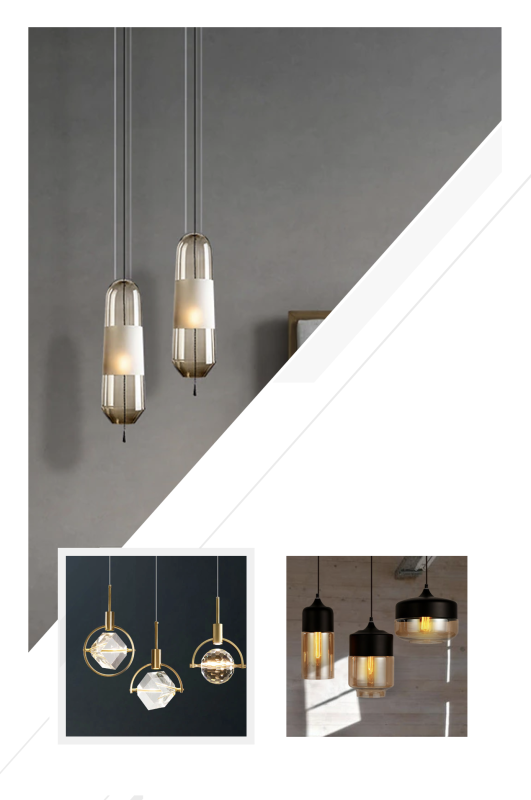
Appliance selection matters, but the bigger issue is layout discipline. Even compact kitchens can feel substantial when they have a clear work triangle, durable surfaces, and lighting that supports tasks. Under-cabinet lighting, a well-placed pendant, and warm ambient fixtures help the kitchen feel like a real part of the home.
Storage Is Not Optional
Guest homes often fail because there is nowhere to put things. Coat storage, pantry space, linen storage, and cleaning storage protect the home from becoming visually chaotic. Built-ins, closets, and tall cabinetry create a more residential feel than freestanding storage added later.
Bathrooms That Feel Comfortable Every Day
Bathrooms influence how a guest home is perceived. A cramped bathroom with poor lighting can make the entire home feel lower quality. A well-designed bathroom, even a small one, signals permanence and care.
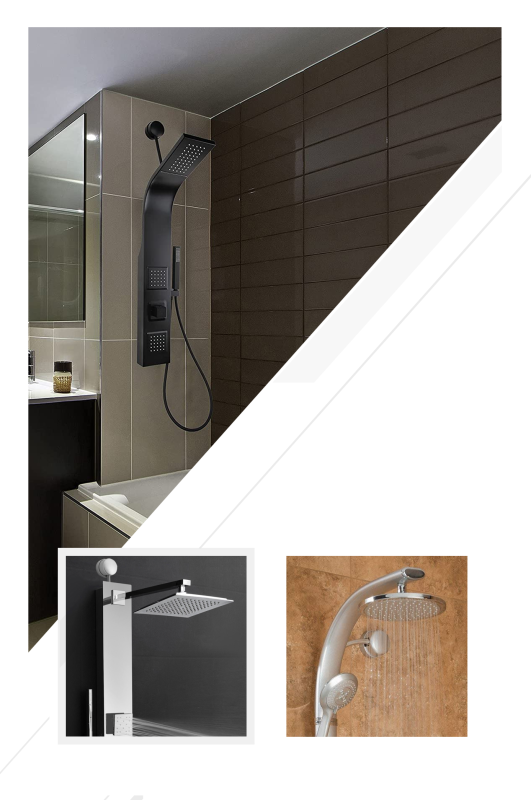
Start with good clearances. Ensure the shower feels spacious enough to move comfortably. Provide storage for toiletries and towels. Use lighting that flatters and supports daily grooming. Add ventilation that works well and runs quietly. These details reduce maintenance issues and improve comfort.
Consider long-term use as well. Planning for accessibility early can extend the usefulness of the guest home. A curbless shower, reinforced walls for future grab bars, and wider door clearances can be integrated without making the space feel clinical.
Privacy and Sound Control
A primary residence feels private. Guests can relax when they feel they are not constantly observed or overheard. Privacy is shaped by layout, window placement, and sound control.
Position the entry and primary windows to avoid direct sightlines into the main home. Use landscaping and fencing to create separation without isolating the guest house. Design outdoor space so guests can step outside without walking through someone else’s daily routine.
Sound control matters even more when the guest home is close to the main residence. Insulation, window quality, and wall assemblies reduce sound transmission. Solid-core doors, careful sealing, and attention to mechanical noise all improve the feeling of calm.
Independence Feels Like Home
A guest home should support independence. A separate entrance, dedicated outdoor area, and clear boundaries allow both households to feel comfortable. These features are valuable for family stays, rentals, and multigenerational living.
Materials That Read as Permanent
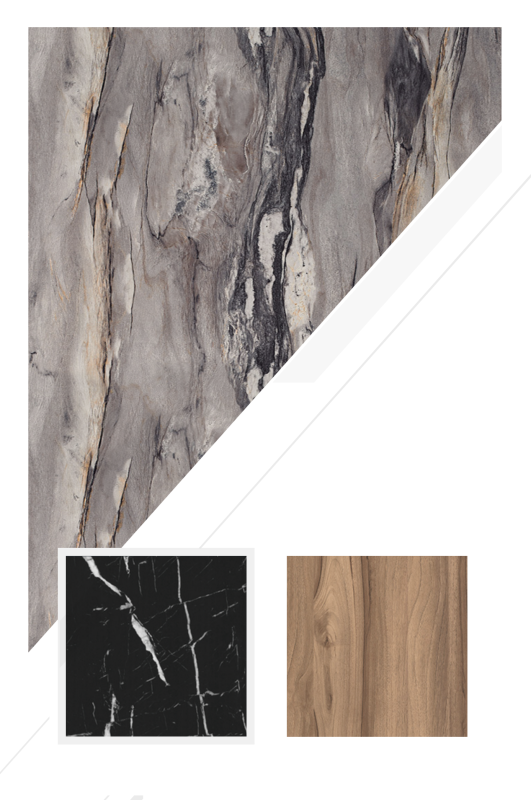
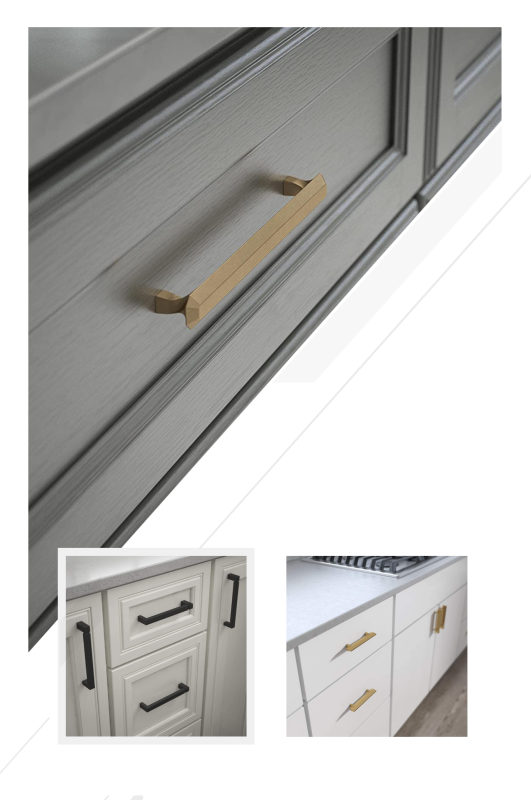
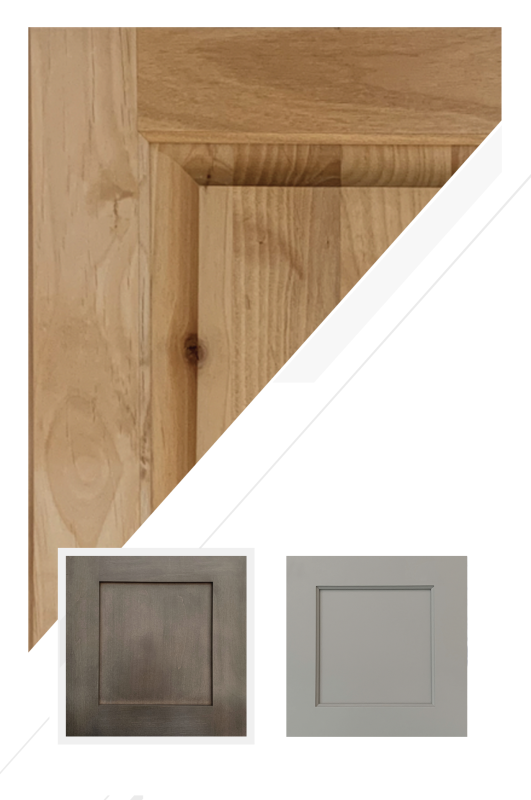
The materials used in a guest home communicate longevity. Durable flooring, solid doors, well-installed trim, and quality hardware create a sense of weight and stability. When finishes feel temporary, the home feels temporary, even if the layout is strong.
Choose materials that age gracefully and are easy to maintain. This is especially important for rentals and frequent guest turnover. Surfaces should resist wear and clean easily. Flooring should handle shoes, spills, and daily movement without constant worry.
Designing for durability is also a financial decision. Materials that fail early increase maintenance and replacement expense. Permanent-feeling materials reduce the total cost of ownership and help the guest home retain value over time.
Outdoor Space That Completes the Experience
Outdoor space is a major part of why primary residences feel livable. Even small outdoor areas add enormous perceived value. A guest home that opens to a private patio, a small garden, or a deck feels larger and more relaxing.
Design the outdoor space as a room. Provide a flat surface, privacy screening, and lighting. Make the connection from inside feel natural with a sliding door or a well-placed French door. When guests can sit outside with coffee or take a phone call in fresh air, the guest home feels like a true residence.
Outdoor design also supports long-term flexibility. It makes the unit more appealing for rentals and more comfortable for family members who stay for longer periods.
Systems That Support Long-Term Use
A home feels primary when it performs well day after day. Comfort systems, hot water delivery, ventilation, and electrical capacity all shape this performance.
Heating and cooling should be sized for the actual envelope and climate. Oversized equipment leads to comfort swings and shorter system life. A well-designed system maintains stable temperatures and runs quietly, which makes the home feel more refined.
Plan electrical capacity for modern living. Guests will charge devices, run appliances, and potentially work remotely. Add outlets where people actually use them, not only where code requires them. If the guest home may become a rental, consider future metering strategies and simple access for maintenance.
Designing for Multiple Futures
A guest home that feels like a primary residence is easier to repurpose over time. It can become housing for an aging parent, a young adult, a caregiver, or a long-term tenant. It can become a work studio, a wellness space, or a downsizing option for the original homeowners.
Designing for multiple futures means keeping the layout flexible and avoiding over-specialized features. Provide a real kitchen, real storage, and a comfortable living area. Use durable materials. Plan for privacy. If these elements are strong, the home will evolve naturally as needs change.
Why Factory-Built Guest Homes Can Feel More Cohesive
Factory-built and modular construction can support a more cohesive result because design, systems, and finishes are coordinated early. When the home is assembled in a controlled environment, details are repeated and quality control is more consistent.
This consistency can improve insulation installation, air sealing, and finish alignment, all of which contribute to comfort and a more primary-residence feel. Factory-built methods also reduce weather exposure during construction, which can support durability and indoor air quality long term.
Design quality is not guaranteed by any method, but integrated planning and consistent execution make it easier to deliver a guest home that feels intentional and complete.
Conclusion
Designing guest homes that feel like primary residences is about respect for the occupant and respect for the property. It means building a space that supports real routines, real comfort, and real privacy. It means using light, proportion, storage, and materials to create calm rather than compromise.
When guest homes are designed with a residential mindset, they become more than an accessory. They become flexible housing that can serve family, generate income, and add long-term value. A well-designed guest home is not a secondary space. It is a full living environment that happens to live in the backyard.
About Joy Line Homes
Joy Line Homes helps California homeowners design ADUs and factory-built housing that prioritize comfort, livability, and long-term value.
Visit AduraAdu.com to explore ADU planning resources.
Let's Get Started
Please Select the form that applies to you by selecting the appropriate tab above.
We are based in San Jose County ,
California
Tel: (831) 888-Home
Email: info@joylinehomes.com
Business Hours: 9am - 6pm