The Future of Residential Construction in the Western United States
By Joy Line Homes
Residential construction in the Western United States is entering a new era. For decades, the region built homes within a relatively stable set of assumptions about climate, labor availability, insurance, and local permitting. Those assumptions are shifting fast. Wildfire seasons have intensified, heat events are more frequent, supply chains are less predictable, and labor constraints continue to affect timelines and pricing. At the same time, the demand for housing has not disappeared. In many areas, it has grown.
The future of housing in the West will be shaped by a few defining pressures. Communities need more homes, but they also need homes that perform better under extreme conditions. Homeowners want predictability in budgets and timelines, but building sites are more complex and more regulated. Cities and counties want density, yet neighbors want thoughtful design that respects existing neighborhoods. These competing needs are pushing the industry toward more disciplined, performance-focused approaches.
As the market responds, residential construction is becoming more systemized. The region is moving toward off-site fabrication, repeatable housing systems, more resilient detailing, and improved coordination between design, permitting, and installation. This shift is not a trend. It is a structural adjustment to the realities of building in the West.
Why the West Is a Unique Construction Environment
The Western United States includes a wide range of climates, geologies, and regulatory environments. Coastal fog belts, high desert heat, mountain snow loads, seismic zones, and wildfire-prone landscapes often exist within the same state. Building systems must respond to this diversity while meeting increasingly demanding codes.
California alone requires builders to consider seismic performance, energy efficiency, and in many regions, wildfire resilience. Oregon and Washington face different but equally important challenges, including moisture management and long wet seasons that complicate site-built timelines. Idaho, Nevada, Arizona, and parts of Colorado face heat and drought pressures that shift how homes should be oriented, ventilated, and shaded.
Because the region is complex, construction that relies on improvisation becomes riskier. The future favors construction methods that reduce variables and increase predictability, while still allowing homes to respond to local conditions.
The Rise of Performance-First Housing
Homebuyers and homeowners are increasingly focused on how homes perform, not just how they look. Comfort, durability, energy use, and indoor air quality have become central to perceived value. People spend more time at home than they used to, and climate conditions have made performance gaps more obvious.
In hotter summers, poor insulation and weak shading strategies make homes uncomfortable and expensive to cool. During smoke events, homes with leaky envelopes and inadequate filtration become difficult to inhabit. During storms, moisture management and roof detailing become critical. These realities are pushing builders to design stronger envelopes, improve air sealing, and treat ventilation as a health system rather than an optional upgrade.
Performance-first housing also aligns with long-term affordability. A home that costs less to operate and maintain can be more affordable over decades than a lower-quality home that triggers constant upgrades and repairs.
Codes Are a Baseline, Not a Goal
In many Western markets, meeting code is no longer enough to ensure comfort and resilience. The future favors builders who design beyond the minimum, especially in higher-risk zones.
Why Off-Site Construction Will Expand
Off-site construction, including modular, panelized, and factory-built systems, is gaining momentum across the West because it addresses core regional challenges. It reduces jobsite weather exposure, improves coordination, and often shortens build timelines. It also supports better quality control, which matters when performance expectations are rising.
Factories provide controlled environments where moisture exposure is minimized, materials are stored properly, and assemblies can be repeated and refined. Repeatability leads to process learning. Over time, manufacturers improve details that reduce air leakage, strengthen insulation continuity, and tighten tolerances.
For regions with long rainy seasons or limited construction windows, off-site approaches reduce schedule risk. For high-demand markets with labor shortages, off-site approaches reduce dependency on large on-site crews. For homeowners who need predictability, the ability to plan procurement and sequencing earlier can reduce surprises.
Labor Constraints and the Need for Systemization
The West has faced persistent construction labor constraints, and the challenge is not only about the number of workers available. It is also about the coordination complexity of modern building. As codes require better envelope performance, more complex mechanical systems, and tighter inspections, the margin for field mistakes shrinks.
Systemized construction reduces the number of decisions that must be made on site. It shifts complexity into earlier planning stages where it can be resolved with drawings, engineering, and coordination rather than on-the-fly problem solving.
This does not eliminate skilled labor. It changes where skill is applied. The future favors teams that can plan precisely, install cleanly, and verify performance. Builders who treat housing as a coordinated system, rather than a collection of trades, will deliver more consistent results.
Permitting, Predictability, and the Need for Better Predevelopment
Permitting remains one of the most significant sources of delay and uncertainty in Western residential projects. Many jurisdictions are understaffed, processes can vary widely, and plan review timelines are difficult to predict. At the same time, homeowners want clarity early.
The future of residential construction will involve stronger predevelopment. More projects will front-load design decisions, complete engineering earlier, and coordinate utilities and site conditions before construction begins. This approach reduces change orders and avoids late-stage redesigns.
ADUs are a clear example. When homeowners understand setbacks, access, utility needs, and fire considerations early, projects move faster and cost less. Builders who provide clear preconstruction guidance and standardized documentation will stand out in a market that is increasingly overwhelmed by complexity.
Fire, Insurance, and a New Construction Reality
Wildfire risk has changed the housing landscape in much of the West. Beyond direct fire zones, smoke, evacuation realities, and insurance availability are shaping decisions. Insurers increasingly evaluate risk at a property level and a community level. Even homeowners outside high-risk zones can face higher premiums or reduced coverage options.
This reality is pushing construction toward resilience. Fire-resistant materials, ember-resistant detailing, defensible space planning, and ventilation strategies that support smoke protection are becoming more common. These choices are not only about code. They are about maintaining insurability and long-term livability.
Builders who understand wildfire risk and design with it in mind will be better positioned as insurance markets continue to evolve. In many communities, resilience will become a standard expectation rather than a special feature.
Climate-Responsive Design Will Become Standard
Climate-responsive design is moving from optional to essential. Homes must handle higher peak temperatures, stronger storms, and shifting seasonal patterns. This includes better shading, improved ventilation planning, and material choices that perform under stress.
It also includes water awareness in drought-prone regions. Landscaping, stormwater management, and site planning will play a larger role in residential projects. Homes that integrate these considerations early will be more durable and less costly to operate.
In the future, a well-designed home will be one that performs in real conditions, not just in mild seasons.
More ADUs and More Backyard Density
ADUs will continue to shape the future of housing across Western states, especially in California where statewide policy has already expanded access. Homeowners are increasingly using ADUs to create rental income, support multigenerational living, or add flexible space for work and guests.
The future will include more standardized ADU offerings, improved permitting pathways, and better neighborhood integration. Design quality will matter. As more ADUs are built, communities will place higher value on units that feel residential, respect privacy, and maintain neighborhood character.
Factory-built ADUs may expand because they offer predictable delivery and consistent quality, especially when paired with strong site planning and clear permitting documentation.
Smarter Materials and Better Assemblies
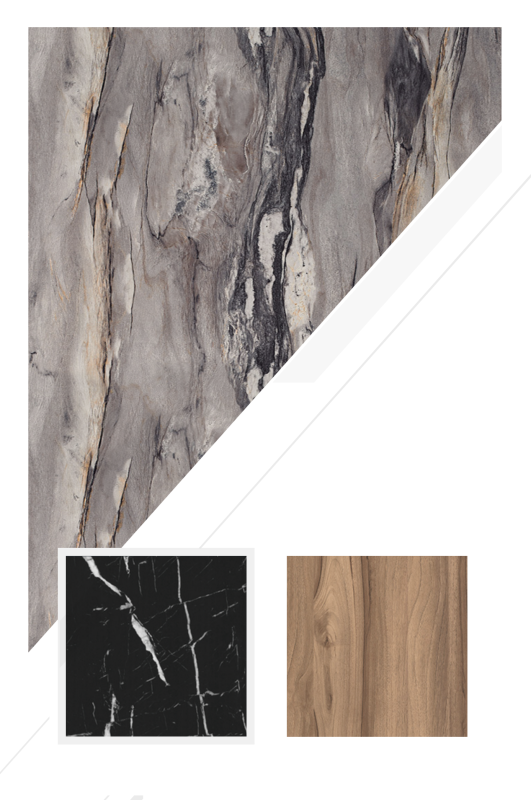
As performance standards rise, materials and assemblies will become more deliberate. The future favors moisture-aware wall systems, better window installation details, improved roof assemblies, and more durable exterior finishes. This is true in wet climates where moisture drives failure, and in hot climates where UV and heat stress materials.
Indoor air quality will also drive material selection. Low-emission finishes, intentional ventilation, and filtration strategies will become more common as homeowners prioritize health and comfort.
Better assemblies reduce maintenance and protect long-term value. They also support lower total cost of ownership, which will matter as housing affordability remains a challenge.
The Shift Toward Documentation and Verification
Residential construction is becoming more data-driven. Blower door testing, performance verification, and more detailed inspections are increasingly common. Homeowners and insurers want proof that a home performs as promised.
Builders who document processes, verify assemblies, and provide clear handoff information will build trust and reduce post-occupancy issues. The future market will reward clarity, transparency, and measured performance.
What Homeowners Should Expect Next
Homeowners in the Western United States should expect residential construction to become more structured. Projects will involve more preplanning, more system coordination, and more emphasis on resilience. Homes will be designed around real climate conditions and real long-term costs, not just initial build budgets.
The most successful projects will be those that treat the home as a long-term system. That includes envelope performance, mechanical design, site planning, and future adaptability. Homeowners who prioritize these factors will experience fewer surprises and better long-term outcomes.
Conclusion
The future of residential construction in the Western United States will be defined by performance, resilience, and predictability. Climate pressures, labor constraints, and insurance realities are pushing the industry toward more disciplined approaches, including off-site construction and systemized building methods.
As housing demand continues, the region will build more ADUs, more compact homes, and more adaptable housing that supports changing lifestyles. The builders who succeed will be those who plan early, build precisely, and deliver homes that perform well in real-world conditions for decades to come.
About Joy Line Homes
Joy Line Homes helps Western homeowners design ADUs and factory-built housing that prioritize performance, comfort, and long-term value.
Visit AduraAdu.com to explore ADU planning resources.
Let's Get Started
Please Select the form that applies to you by selecting the appropriate tab above.
We are based in San Jose County ,
California
Tel: (831) 888-Home
Email: info@joylinehomes.com
Business Hours: 9am - 6pm