Planning an ADU for Flexibility, Not Just Immediate Use
By Joy Line Homes
Most homeowners start an ADU project with a single, clear reason. They want a rental to help cover the mortgage, a place for a parent who needs support, or a quiet workspace that finally feels separate from the main house. Those are all good reasons, but they are rarely the whole story.
An accessory dwelling unit is not like a temporary shed that can be ignored once the original need changes. It is a real home with a long life ahead of it. In many cases, the most valuable ADUs are the ones planned to evolve, shifting roles as a household grows, shrinks, and reorganizes over time.
Planning for flexibility means you design for future options instead of locking yourself into today’s exact scenario. You make decisions that protect privacy, improve comfort, and keep the layout useful whether the unit becomes a rental, a guest suite, a studio, a home for an adult child, or a downsized primary residence later on.
Start With the Likely Life Changes
Flexibility begins with honesty. What might change in the next five, ten, or twenty years? Kids grow up. Parents age. A remote job becomes hybrid. Health needs shift. A rental market cools and then heats up again. If you can name a few realistic future scenarios, you can design an ADU that does not fight them.
A helpful approach is to imagine three versions of your property. Version one is what you need today. Version two is what you might need in a life transition, like caring for family or moving to a smaller footprint. Version three is what the next owner might want, which is often a stable rental or a guest-ready unit.
When you plan around those versions, the ADU stops being a single purpose project and becomes an adaptable asset that supports your property for decades.
Choose a Layout That Can Reassign Rooms
The most flexible ADU layouts avoid overly specialized spaces. That does not mean the home should feel generic. It means the plan should allow rooms to change roles without structural changes.
For example, a bedroom that can also function as an office needs the right proportions, daylight, and storage. A living room that can double as a guest area benefits from a furniture-friendly wall and a closet that can hold linens. A kitchen that supports a long-term tenant should have enough counter space and a real pantry, not just a decorative niche.
Open plans can support flexibility when they still create clear zones for living, dining, and work. Simple separation through built-ins or a shift in lighting can help the room behave differently as needs change.
Design for Two People, Even if One Person Moves In
Many ADUs start as single occupant homes, but the best plans assume two people might share the space later. That affects circulation, storage, and the ability to pass each other comfortably in the kitchen, hallway, and bath.
Plan Privacy Like It Is a Utility
Privacy is one of the biggest predictors of whether an ADU will feel successful in different seasons of life. When the unit becomes a rental, privacy protects both households. When it becomes a family space, privacy reduces friction and supports independence.
Start with the entry. A clear, well-lit, distinct entry makes the ADU feel like a home, not an add-on. If possible, avoid a path that forces someone to pass close to the main home’s primary windows. Small shifts in site planning, like a gate, a planting line, or a turned walkway, can make a major difference.
Inside the unit, place the bedroom away from shared outdoor areas when you can. If the ADU faces the main home, consider window placement that brings in light without creating direct lines of sight. Clerestory windows, higher sill heights, and carefully selected glazing can support comfort without turning the home into a dark box.
Separate Systems When It Makes Sense
A flexible ADU should be able to operate independently. That is easier when the major systems are planned for separation. This does not always mean duplicating everything, but it does mean thinking ahead.
Electrical planning is a good example. If you want the option for a future tenant to pay utilities, plan a subpanel or meter strategy early. The same logic applies to internet wiring, where a simple conduit path can make upgrades easier.
Heating and cooling choices matter too. A dedicated, efficient system can support different occupancy patterns without disrupting the main home. When the ADU is used as a guest suite, the unit can idle most of the time. When it becomes a full-time residence, it can run steadily with comfort control that fits the occupant.
Build Storage That Adapts With the Household
Storage is often treated as a luxury, but in flexible planning it is a performance feature. The ADU that works as a tidy office today may need to hold a stroller, medical supplies, or sports gear tomorrow. If storage is not designed in, the unit becomes cluttered and feels smaller than it is.
Prioritize a real entry drop zone, even if it is compact. Add a coat closet, a bench with closed storage, or a tall cabinet for cleaning tools. In the kitchen, include pantry volume that can handle weekly groceries. In the bedroom, plan closets that are usable, not just wide enough to satisfy a minimum.
Flexible storage also includes outdoor storage. A small, secure exterior closet for bikes or garden tools can protect the interior plan from becoming overworked.
Design the Bathroom for Aging and Accessibility
Even if your ADU is not intended for aging in place today, designing for it keeps options open. A bathroom that can support mobility changes is more comfortable for guests, safer for long-term occupants, and often more attractive to future buyers.
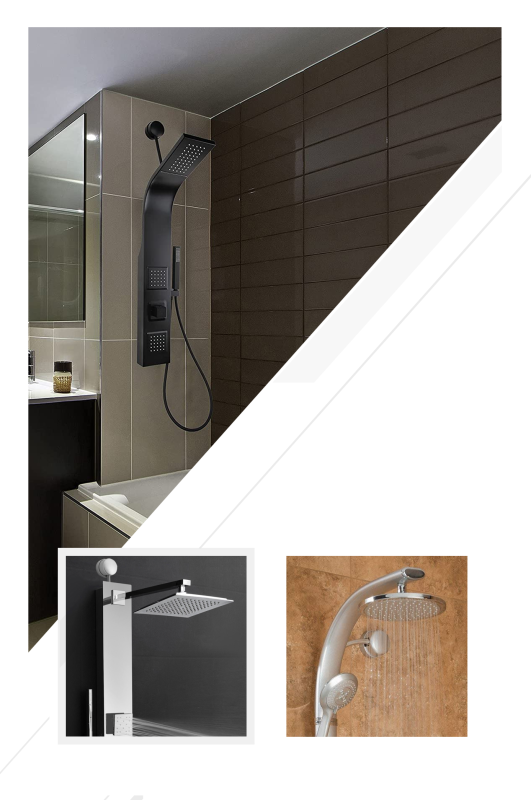
Consider a curbless shower or a shower with a low threshold, blocking in the walls for future grab bars, and a layout that allows turning space. Choose finishes that are durable and slip resistant. Good lighting, clear controls, and an easy-to-reach storage niche can make a small bathroom feel calm instead of cramped.
When the ADU becomes a home for an older family member, these details can determine whether the space supports independence or creates daily challenges.
Think About Laundry Early
Laundry is a daily reality that changes with household size. If you plan a closet that can accept a stacked washer and dryer, the unit can shift from occasional use to full-time living without a renovation. Even if you do not install laundry at first, the rough-ins and clearances can be planned from day one.
Support Multiple Work Patterns
The modern ADU is often expected to be both home and workplace. The best flexible designs acknowledge that work patterns change. A desk in a corner may be enough for light administrative work, but it may not support video calls, focused writing, or client meetings.
Plan at least one location with strong daylight, minimal glare, and acoustic separation. Use outlets and lighting that support a real workstation, not just a laptop on a kitchen table. If the ADU might become a rental later, this same work zone can function as a study nook that adds value without taking up an entire room.
Acoustics Are a Flexibility Multiplier
Noise is one of the quickest ways a flexible plan fails. A rental ADU with thin walls feels temporary. A multigenerational setup with poor sound control creates tension. Good acoustics make the space feel more private, more restful, and more premium.
Use insulation in key interior walls, solid core doors where they matter, and careful placement of mechanical equipment. If the ADU shares a wall with the main home, treat that wall like a boundary between two households.
Plan for Future Energy Upgrades
Flexibility also includes the ability to improve performance over time. You might install solar later, add battery storage, or upgrade appliances as technology changes. A well planned ADU anticipates these decisions.
Leave room for a future electrical upgrade, plan roof shapes that can accept solar, and choose an envelope strategy that supports comfort without oversized systems. When a home is efficient, it is easier to repurpose and cheaper to operate.
Treat Outdoor Space as Part of the Plan
Even small outdoor areas increase flexibility. A patio can be a work break zone, a visiting grandparent’s morning coffee spot, or a tenant’s private retreat. If the outdoor space is designed with intention, it becomes an extension of the living area, which makes the interior feel larger.
Use simple strategies like a covered entry, a small privacy screen, or landscape that defines the ADU zone. Thoughtful exterior lighting supports safety and makes the space feel welcoming.
Make the Unit Easy to Furnish in Different Ways
Flexible homes are easy to furnish. That sounds basic, but it is a real design discipline. If every wall is broken up by doors, windows, and built-ins, the occupant has fewer layout options and may be forced into awkward furniture choices.
Plan at least one long wall in the living space that can support a sofa, a media console, or shelving. In the bedroom, make sure the bed wall is obvious and usable. In the kitchen, allow clear counter runs and a logical place for a small dining table. These moves keep the ADU comfortable whether it is a rental, a guest suite, or a primary home.
Flexibility Requires Clear Permitting Strategy
Flexibility is not only design. It is also planning. If you might use the ADU as a rental, a family unit, or a long-term residence, your permitting approach should align with those goals. That includes understanding parking rules, utility connections, fire access, and any local requirements that affect site layout.
Conclusion
Planning an ADU for flexibility is a mindset shift. Instead of designing for one immediate use, you design for a range of possible lives. You protect privacy, build adaptable storage, plan systems that can separate, and choose layouts that can reassign rooms without major changes.
When you plan this way, the ADU becomes more than a quick solution. It becomes a long-term asset that supports your household through change, adds resilience to your property, and stays valuable even when your original reason for building it has evolved.
About Joy Line Homes
Joy Line Homes designs and delivers factory-built and modular homes that prioritize long-term performance, comfort, and value.
Visit AduraAdu.com to explore planning resources.
Let's Get Started
Please Select the form that applies to you by selecting the appropriate tab above.
We are based in San Jose County ,
California
Tel: (831) 888-Home
Email: info@joylinehomes.com
Business Hours: 9am - 6pm