Designing for Flexibility, Not Just Immediate Use
By Joy Line Homes
Most homeowners start a project with a clear purpose. You need a guest space for visiting family, a home office that finally feels separate from the kitchen table, or a small rental unit to help offset costs. Those goals are valid, and they often shape early design decisions. The risk is designing only for the version of life you are living right now, then discovering two or five years later that the space is hard to adapt.
Flexible design is not about building larger. It is about building smarter. It means creating rooms that can change roles without feeling forced, systems that can be upgraded without major demolition, and layouts that continue to make sense as routines shift. A flexible home supports different seasons of life, and it holds value because it stays useful.
In California, flexibility has become a practical form of resilience. Work patterns change. Household sizes change. Insurance and utility costs change. Even neighborhood needs evolve. Designing for flexibility is a way to protect your investment and reduce the stress of future remodels. It is also a way to create a home that feels calm and capable, rather than fragile and single-purpose.
Think in Life Cycles, Not Room Labels
One of the simplest shifts you can make is to stop labeling rooms too early. “Office,” “nursery,” and “guest room” sound clear, but they can create tunnel vision. A flexible plan treats rooms as zones with needs: privacy, daylight, storage, acoustic separation, and easy access to a bathroom. When you design around needs rather than labels, you create spaces that can switch functions with minimal effort.
For example, a room that works as a professional office today might become a caregiver suite later. A small studio that supports rental income now might become a space for a young adult returning home, or a comfortable place for aging-in-place in the future. When a layout can handle these transitions, the home stays relevant without expensive redesign.
Plan for More Than One “Day in the Life”
Instead of imagining only your current routine, map two or three future scenarios. What happens if you work from home full time? What happens if a family member needs privacy for a longer stay? What happens if you want to rent the space for a year, then reclaim it? When you design around multiple scenarios, you naturally prioritize choices that hold up through change.
Layouts That Convert Without Construction
The best flexible layouts convert with furniture, not framing. That means thinking about proportions, circulation, and where doors and windows land. A flexible room can accept a bed, a desk, or a small seating area without blocking movement. It has enough wall space to place furniture in more than one way. It has storage that supports the function you may not need yet.
Small details matter. A door location can determine whether a space feels private. A closet placement can decide whether a room can serve as a bedroom later. Even a few extra inches of clearance near a bathroom door can make the space work for more users over time.
Flexibility also benefits from thoughtful “buffer zones.” A small hallway, a vestibule, or a transition nook can make a home feel more organized and can help separate uses when needed. In compact footprints, these areas can feel like luxuries, but they often become the difference between a space that feels composed and a space that feels improvised.
Design Storage Like a System
Storage is not just a convenience. It is a flexibility tool. When storage is planned well, the home can adapt without becoming cluttered. When storage is an afterthought, every change in use creates a mess that makes the space feel smaller and less functional.
Flexible storage is varied. It includes closets, built-ins, utility cabinets, and concealed space where possible. It is designed with real items in mind: linens, luggage, seasonal gear, office supplies, cleaning tools, and bulky items that do not fit in pretty baskets. Storage should also be placed where it supports future uses, not only current ones.
A simple example is a room that might become a bedroom later. If you want that option, plan at least one dedicated closet area now, even if it is used for other storage at first. It is much easier to repurpose a closet than to build one later without compromising the room.
Electrical and Data Planning for the Unknown
Homes built for flexibility anticipate that technology will change. You do not need to predict exactly what will be installed, but you can design the infrastructure to handle upgrades. That includes panel capacity, conduit pathways where appropriate, and thoughtful outlet and data placement.
Many homes feel dated not because the finishes are old, but because the home cannot support modern needs without visible cords, overloaded power strips, and awkward workarounds. A flexible home plans for multiple device zones, strong lighting layers, and clear options for future equipment.
Think about where someone might place a desk in the future. Think about where a TV might go, even if you do not want one today. Consider exterior power needs for garden tools, outdoor lighting, or future charging. A flexible plan creates options and hides the complexity inside the walls, where it belongs.
Plumbing Choices That Keep Options Open
Plumbing is one of the most expensive systems to move later, so flexible design treats plumbing locations as long-term anchors. That does not mean you need extra bathrooms everywhere. It means you should locate wet areas thoughtfully so they can support future conversions without major rerouting.
Stacking wet functions, keeping runs efficient, and planning access points can reduce future cost dramatically. A well-placed laundry area, a bathroom that can serve multiple zones, and a kitchen that can be updated without relocating main lines all contribute to long-term adaptability.
Even small measures can help, such as providing accessible shutoffs, leaving service space behind key fixtures, and avoiding unnecessary complexity in chase walls. Flexibility is often the result of a home that is easy to understand and easy to service.
Comfort Systems That Scale With Life
Heating and cooling needs change when room use changes. An office with one person all day may need different comfort control than a guest suite used occasionally. A space used for rental may need more predictable, user-friendly controls than a space used by family.
Flexible design considers zoning, ventilation, and future equipment access. It also considers noise. A home office that doubles as a guest room should not be placed next to loud equipment if you want it to feel restful. Similarly, a space intended for long stays benefits from consistent temperature control and good air quality.
Ventilation is often overlooked in flexibility planning, but it matters. A flexible home is one where occupants can close a door and still feel comfortable. That requires fresh air strategy, effective bathroom exhaust, and kitchen ventilation that supports real cooking without lingering odors.
Acoustics and Privacy as Flexibility Features
Privacy is not only about walls. It is about sound, sight lines, and how people move through the home. A space cannot flex into a bedroom or a rental-style suite if it feels exposed. Likewise, a work zone will not function if the noise from the main living area makes calls difficult.
Acoustic planning includes insulation, door quality, window quality, and smart layout. It also includes the placement of bathrooms and mechanical equipment. When you plan privacy and sound control early, you unlock future uses without having to rebuild.
There is also a lifestyle benefit. Even if you never convert the space, good privacy and sound control make the home feel more premium. It supports better rest, better focus, and better day-to-day comfort.
Furniture-Ready Proportions
Flexibility depends on whether rooms can accept different furniture types. A narrow room might work for a bed but fail as an office. A room with too many doors may have no wall space for storage. A living area might feel generous until you add a dining table, then circulation breaks down.
When planning for flexibility, test multiple furniture arrangements early. You do not need perfect interior design. You need confidence that the room supports more than one layout without feeling cramped. The ability to rotate a room’s purpose is often determined by inches, not feet.
Pay attention to the placement of windows as well. Windows that are too low or too wide can limit furniture options. Windows that are well placed can deliver light while still providing usable wall space. This balance is a quiet but powerful part of flexible design.
Materials That Support Changing Use
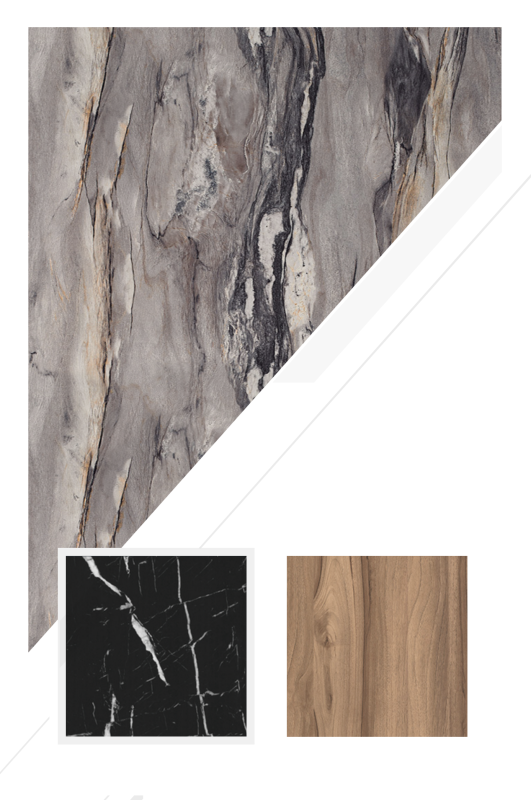
Materials matter because flexible spaces get used in different ways over time. A room that becomes a workout space needs flooring that can handle impact and moisture. A space used for rental income benefits from durable finishes that are easy to maintain. A multi-purpose family area needs surfaces that can handle spills and heavy traffic without looking tired.
Choosing durable, repairable materials is a long-term strategy. It helps the home stay attractive and reduces the fear of using the space fully. Flexibility is not only about future conversions. It is also about feeling comfortable using the home in real life without constant worry.
When possible, choose finishes that can be refreshed without full replacement. That might mean paint systems that touch up well, flooring that can be repaired in sections, and hardware that can be updated without rebuilding cabinetry. Over decades, these choices reduce total cost of ownership and keep the home feeling current.
Future-Proofing Without Overbuilding
Flexibility does not require designing for every possible outcome. It requires designing for the most likely ones while keeping the home simple enough to maintain. Overbuilding can create complexity that is hard to service and expensive to repair.
A balanced approach focuses on structural clarity, smart system planning, and layouts that can convert with minimal disruption. It also prioritizes documentation. When future owners or contractors can understand how the home was built, upgrades become easier and less risky.
One of the best flexibility habits is leaving space where change is likely. A mechanical closet with access, a panel with capacity, a storage zone that can shift roles, and an exterior area that can support new needs are all examples. You are not guessing the future. You are making room for it.
Final Thoughts
Designing for flexibility is a commitment to long-term usefulness. It means choosing room proportions that support multiple layouts, placing doors and windows with future conversions in mind, and planning storage as a system rather than a leftover. It also means investing in infrastructure, such as electrical capacity, serviceable plumbing, and comfort systems that can adapt as room uses change.
When flexibility is built in from the start, the home feels more stable and more valuable. You reduce future remodel costs, protect your daily comfort, and create a space that keeps working as life changes. The goal is not to predict every outcome. The goal is to design a home that stays capable, practical, and easy to live in over time.
About Joy Line Homes
Joy Line Homes helps California homeowners plan housing that prioritizes comfort, adaptability, and long-term value.
Visit AduraAdu.com to explore planning resources.
Let's Get Started
Please Select the form that applies to you by selecting the appropriate tab above.
We are based in San Jose County ,
California
Tel: (831) 888-Home
Email: info@joylinehomes.com
Business Hours: 9am - 6pm