Fire-Resilient Design as a Standard, Not an Upgrade
By Joy Line Homes
Wildfire has become a defining reality for California housing. What was once considered a regional risk tied to remote hillsides now affects suburban neighborhoods, coastal communities, and urban edges. Fire behavior has changed, and so must the way homes are designed.
For years, fire-resilient features were treated as optional upgrades. Homeowners were offered enhanced materials, specialized vents, or additional detailing as add-ons to an otherwise standard build. That mindset no longer reflects the conditions Californians face. Fire resilience is not a luxury feature. It is a baseline requirement for responsible homebuilding.
Designing fire-resilient homes as a standard means integrating protection into every layer of the project. It is not about creating bunker-like structures or sacrificing design quality. It is about thoughtful choices that reduce ignition risk, improve durability, and increase the likelihood that a home performs better during and after a fire event.
Why the Upgrade Mentality Falls Short
The idea of fire resilience as an upgrade suggests that standard construction is acceptable for most homes, with added protection reserved for higher budgets or higher risk zones. In practice, this approach leaves many homeowners underprepared.
Wildfire does not respect parcel lines or zoning maps. Ember exposure can occur miles from active flames. Wind-driven fires move unpredictably, and changing vegetation patterns expand risk into areas that historically felt safe.
When fire resilience is optional, critical details are often missed. Gaps in vent protection, vulnerable roof edges, combustible siding, or poorly planned exterior zones can undermine the performance of an otherwise well-built home. Treating resilience as standard ensures consistency and reduces the chance that protection is compromised by cost cutting or late-stage decisions.
Understanding How Homes Are Lost in Fires
Most homes are not lost because a wall is directly engulfed by flame. They are lost because embers find a weakness. Small openings, accumulated debris, or vulnerable materials allow ignition to occur away from the main fire front.
Fire-resilient design focuses on these ignition pathways. That includes roof assemblies, vents, eaves, decks, and the immediate perimeter around the home. When these areas are addressed comprehensively, the home’s chance of survival improves significantly.
This approach does not guarantee a home will never be damaged, but it can dramatically reduce the likelihood of total loss and improve safety for occupants and firefighters.
Ember Resistance Is the Priority
Designing against ember intrusion addresses the most common cause of structural ignition. Screens, baffles, and material choices matter far more than dramatic fireproofing gestures.
Material Choices Set the Baseline
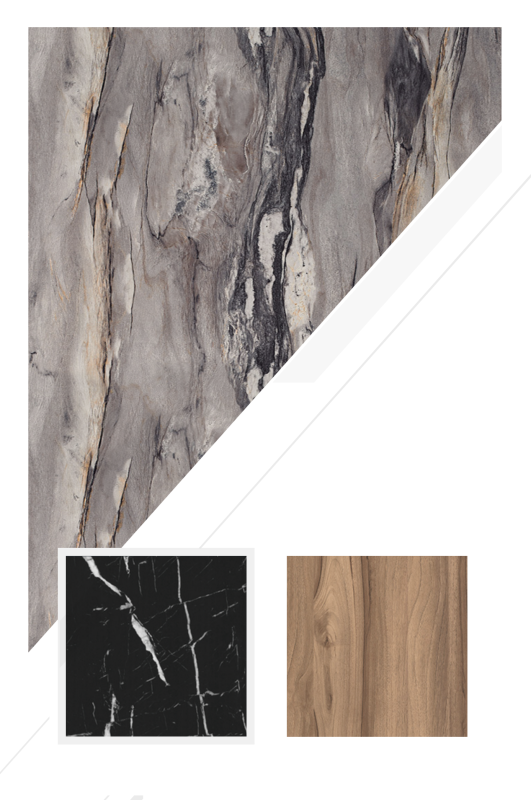
Fire-resilient design begins with material selection. Exterior cladding, roofing, decking, and trim should resist ignition and limit flame spread. These materials are now widely available and do not require a departure from good design.
Noncombustible or ignition-resistant siding options can be used across architectural styles. Roofing assemblies that resist ember intrusion and shedding reduce one of the most vulnerable surfaces on the home. Decks and exterior stairs should be detailed to prevent debris accumulation and flame exposure beneath walking surfaces.
When these materials are treated as standard, rather than premium upgrades, they become part of a cohesive design language instead of awkward substitutions.
Details Matter More Than Labels
A home can meet code requirements and still perform poorly in a fire if details are overlooked. Fire-resilient design depends on execution.
Vents must be designed to resist ember intrusion without restricting airflow. Eaves and soffits should be enclosed and detailed to prevent ignition from below. Roof to wall connections must be tight and well flashed. Windows and doors need proper seals and thoughtful placement.
These details are most effective when planned early and coordinated across trades. When resilience is treated as a standard, these conversations happen during design instead of during last-minute value engineering.
Defensible Space Is Part of the Design
Fire resilience does not stop at the wall line. The area immediately surrounding the home plays a critical role in fire behavior.
Noncombustible surfaces near the structure, careful planting choices, and thoughtful grading reduce ignition risk. This does not mean eliminating landscaping. It means designing outdoor spaces that are beautiful, usable, and safer.
When defensible space is integrated into the overall site plan, it feels intentional rather than restrictive.
Windows, Doors, and Openings
Openings are among the most vulnerable points in a home. During a fire event, heat, pressure, and airborne embers test every joint and seal.
High-quality windows with strong frames, proper glazing, and good seals reduce the likelihood of failure. Doors should close tightly and be detailed to prevent ember intrusion at thresholds.
Placement matters as well. Reducing direct exposure to prevailing winds and limiting large openings near vulnerable exterior zones can improve overall performance without reducing daylight or views.
Fire Resilience and Indoor Air Quality
Wildfire events do not only threaten structures. Smoke affects indoor air quality long before flames arrive. Homes that are loosely sealed pull smoke inside, making interiors unsafe even when the structure remains intact.
A fire-resilient home is also a home with controlled air movement. Tight construction paired with intentional ventilation allows occupants to manage air quality during smoke events. Filtration becomes a comfort and health feature, not an upgrade.
This approach supports everyday living as well, reducing dust, allergens, and outdoor pollutants year-round.
Factory-Built Construction Supports Consistency
One of the challenges of fire-resilient design is maintaining consistency across details. Small gaps, rushed sealing, or misaligned assemblies can compromise performance.
Factory-built and modular construction environments support better execution. Controlled conditions allow for precise installation of fire-resilient assemblies, consistent vent detailing, and verification before the home reaches the site.
Dry construction conditions also reduce moisture risk, which supports long-term durability alongside fire performance.
Fire Rebuild Projects Change the Standard
For homeowners rebuilding after a fire, the expectation is clear. The new home should perform better than the one that was lost.
Rebuilding presents an opportunity to integrate fire resilience fully, not as a checklist, but as a guiding principle. Materials, detailing, site planning, and systems can all be aligned toward improved performance.
In this context, fire-resilient design is not an upgrade. It is the reason for rebuilding differently.
ADUs Should Follow the Same Rules
Accessory dwelling units are often treated as smaller or simpler projects. In fire-prone regions, this mindset creates unnecessary risk.
An ADU should meet the same fire-resilient standards as a primary home. Because ADUs are compact, vulnerabilities can have an outsized impact. A single weak detail can compromise the entire structure.
When ADUs are designed with resilience as a baseline, they remain safer, more durable, and more valuable over time.
Resilience as a Design Culture
Shifting fire-resilient design from an upgrade to a standard requires a cultural change in homebuilding. Designers, builders, and homeowners must align around performance as a core value.
This shift does not eliminate creativity. It elevates it. Constraints often lead to better solutions, clearer details, and more thoughtful architecture.
Conclusion
Fire-resilient design reflects a new definition of quality in California housing. Homes must be prepared for the conditions they are likely to face, not the conditions of the past.
By treating fire resilience as a standard, not an upgrade, homeowners protect safety, preserve value, and build with honesty about the environment they live in. This approach supports better outcomes during fire events and more durable, comfortable homes every day.
About Joy Line Homes
Joy Line Homes designs and delivers factory-built and modular homes that prioritize long-term performance, comfort, and value.
Visit AduraAdu.com to explore planning resources.
Let's Get Started
Please Select the form that applies to you by selecting the appropriate tab above.
We are based in San Jose County ,
California
Tel: (831) 888-Home
Email: info@joylinehomes.com
Business Hours: 9am - 6pm