Factory-Built Homes and the Future of Residential Quality Control
By Joy Line Homes
Quality control is one of those phrases that sounds technical, but it touches everything homeowners actually care about. Comfort, durability, quiet rooms, smooth doors, even paint that does not crack too soon. When construction quality is consistent, a home feels calm and reliable. When quality is uneven, the problems show up in small frustrations at first, then bigger costs later.
In California, the discussion around quality control is becoming more urgent. Labor shortages, rising material costs, tighter building schedules, and climate stress are putting pressure on traditional construction methods. Many homeowners assume these challenges are simply the price of building today, but there is another way to look at it. If the building process itself is too variable, the results will always be too variable.
Factory-built housing is changing how the industry thinks about quality control. Not because it is automatically better, but because it is built around systems that can be measured, repeated, checked, and improved. When a home is assembled in a controlled environment, it becomes easier to verify key details that affect performance. That includes structural connections, insulation continuity, air sealing, moisture protection, mechanical layout, and finish quality.
This shift is not only about speed. It is about reducing uncertainty. It is about creating predictable outcomes for homeowners who want to know what they are paying for and what they will live with for decades. As factory-built construction grows across the state, the real story is not only efficiency. It is the future of residential quality control and what it could mean for home performance, maintenance, and long-term value.
Why Quality Control Is Harder in Traditional Site-Built Construction
Site-built construction has always depended on coordination. Subcontractors arrive in sequence, materials are delivered and stored on site, and each step is impacted by weather, labor availability, and scheduling. Even with strong teams, it is difficult to keep every detail consistent from one project to the next.
Many quality issues are not dramatic mistakes. They are small inconsistencies. A flashing detail installed slightly differently, a seam in a weather barrier not taped as thoroughly, insulation installed unevenly in hard-to-reach areas, or a framing adjustment that changes how drywall aligns. Each issue alone may feel minor, but together they can affect energy performance, moisture risk, and the overall feel of the home.
Site work is also harder to inspect continuously. Inspections are often milestone-based. A framing inspection, then an insulation inspection, then a final. Between those moments, dozens of decisions and installations happen that may not be reviewed in a detailed way. Builders can self-check, but the reality is that the site environment is busy and constantly changing. Quality checks can get squeezed when schedules tighten.
In California, the pressure is amplified. Coastal moisture, inland heat, wildfire smoke, and seasonal rainfall all demand careful building envelopes. When quality control is inconsistent, these climate factors can expose weaknesses quickly. Homes that are not air sealed well feel drafty in winter and hot in summer. Poor moisture detailing can show up as staining, odor, or premature material degradation. When quality slips, the home still stands, but its performance declines.
Factory-Built Construction Changes the Quality Control Equation
Factory-built construction moves a large portion of the build into an environment designed for repeatability. Materials are stored dry. Work is performed under consistent lighting and stable conditions. Teams follow established workflows. This creates a foundation for quality control that is harder to achieve on open job sites.
In a factory setting, quality control can be integrated into each stage, not just at major milestones. Measurements can be verified before assemblies are closed up. Standard checklists can be used for every unit. Supervisors can review details in real time. If a problem appears, it can be corrected immediately without delaying multiple trades.
Repeatability is one of the most underrated advantages. When the same wall assemblies and mechanical layouts are built again and again, teams get better at the details that matter. Small improvements accumulate. Tolerances tighten. Lessons from one project are easier to apply to the next because the process is controlled and documented.
Consistency Is a Performance Feature
Homeowners often think of quality as aesthetics. Straight trim, smooth paint, and clean tile lines. Those details matter, but quality control is also what determines how the home behaves under real conditions. A consistent building envelope helps indoor temperatures stay stable. A tight air barrier improves comfort and reduces smoke infiltration. Proper moisture detailing reduces the risk of hidden damage.
Factory-built methods can support consistent performance by reducing the variability that causes gaps. When systems are coordinated early and installed repeatedly, the result is often a home that feels more predictable in comfort and lower in maintenance surprises.
What Quality Control Looks Like in a Factory Setting
Quality control in factory-built housing is not one single check. It is a layered approach that includes process controls, inspections, and documentation. The goal is not perfection on paper, but repeatable excellence in practice.
Process controls include standardized steps for framing, fastening, sheathing, sealing, and finish installation. Inspections can occur after each step, especially before assemblies become inaccessible. Documentation can track materials used, equipment installed, and test results where applicable.
Many factories operate with internal quality teams who review work daily. They may use checklists for structural connections, window installation, air sealing details, and finish standards. Some projects include testing such as blower door verification or other performance checks, depending on the project scope and goals.
This approach mirrors how quality is managed in other industries. The building itself becomes a product made through a system. That can feel unfamiliar to people who associate housing with custom craftsmanship, but in practice it can protect homeowners from the costs of inconsistency.
Building Envelopes, Air Sealing, and the New Standard of Comfort
As energy codes evolve and climate pressures intensify, the building envelope is becoming the primary driver of home performance. The envelope is the system that keeps outdoor heat, smoke, moisture, and noise from becoming indoor problems. Quality control is most valuable when it supports envelope integrity.
In a factory-built process, air sealing can be treated as a planned workflow rather than a patchwork afterthought. Crews can access seams easily. Work is not rushed by wind or rain. Sealing products cure predictably. This can lead to better continuity in air barriers and fewer missed locations.
Insulation quality also benefits from controlled installation. Insulation that is compressed, uneven, or poorly fitted reduces performance. Factory conditions make it easier to ensure consistent coverage and alignment with the air barrier. The result can be better comfort and lower energy demand over time.
For homeowners in wildfire-prone regions, envelope quality also affects indoor air quality. A tighter home with controlled ventilation can reduce smoke intrusion. This is not a luxury feature anymore. It is becoming part of what resilient housing looks like in California.
Moisture Management and Durability Over Decades
Moisture is one of the most common causes of long-term building damage. It can come from rain, coastal air, plumbing leaks, and indoor humidity. The best way to manage moisture is through good design and consistent execution, especially at transitions like windows, doors, roof edges, and floor connections.
Factory-built construction helps by keeping assemblies protected during construction and allowing careful installation of weather barriers and flashing details. When walls start dry and are sealed correctly, they are less likely to trap moisture later. This improves durability and reduces the risk of hidden damage behind finishes.
Durability is a form of quality control that homeowners feel years later. A home that stays dry, ventilates well, and avoids premature material failure costs less to maintain. It also feels better to live in because it stays stable and clean.
Mechanical Systems and the Value of Early Coordination
Many home performance problems come from mechanical systems that are installed late or adjusted on the fly. Duct runs get squeezed. Ventilation becomes an afterthought. Access panels are placed awkwardly. These issues are common in site-built work because each trade arrives at different times and adapts to what they find.
Factory-built homes can coordinate mechanical systems earlier. Layouts are planned and repeated. Penetrations are located intentionally. Ventilation paths are clearer. This coordination supports efficiency, reduces noise issues, and makes future service easier.
When mechanical systems are designed to match the envelope and the floor plan, the home performs more consistently. That is quality control expressed as comfort.
Finish Quality and the Human Experience
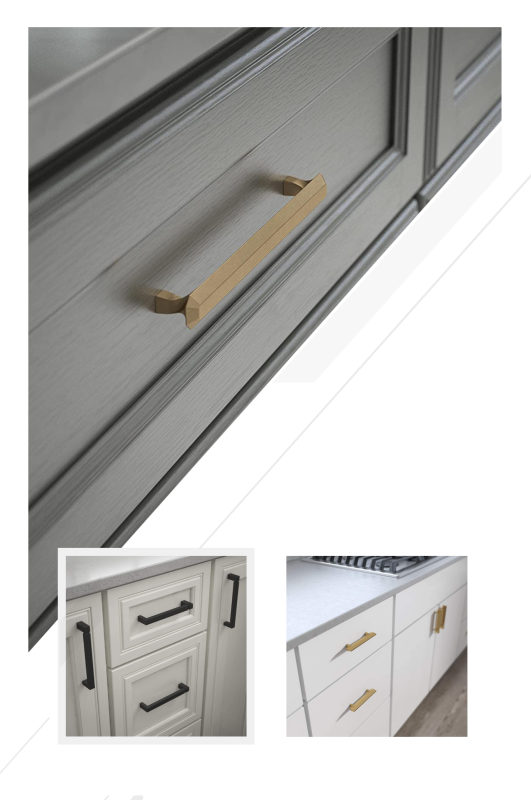
Quality control also shows up in the parts people touch every day. Doors that close smoothly, floors that feel solid, cabinets that align, and surfaces that hold up to real life. In a factory environment, finish work benefits from stable conditions and consistent tooling.
Paint and drywall can be applied without humidity swings. Flooring and trim can be installed on level platforms. Cabinet installation can be checked with standardized measurements. These details contribute to a home that feels intentional and well-built, not improvised.
It is also easier to track finish standards. If a builder wants a specific level of fit and finish, it can be documented and repeated across builds. This reduces surprises and supports brand consistency, especially for homeowners who expect a premium result.
Quality Control as Risk Management for Homeowners
For homeowners, quality control is not an abstract concept. It is risk management. It reduces the chance of expensive repairs, warranty disputes, and performance issues that are difficult to diagnose. A predictable build process reduces the number of unknowns that show up after move-in.
Factory-built homes can support this predictability by making quality checks part of the production rhythm. Homeowners benefit because problems are addressed earlier, when they are easier to fix. This can lead to fewer punch-list issues and fewer long-term performance surprises.
It also helps homeowners make decisions with more confidence. When quality control is documented and consistent, it becomes easier to understand what is being delivered. That clarity is especially valuable in California, where housing investments are high and expectations are understandably higher.
The Future of Residential Quality Control in California
The future of residential quality control will likely be shaped by three pressures: climate performance expectations, labor constraints, and demand for predictability. As codes evolve and buyers become more educated, performance will be evaluated more directly. Comfort, energy use, and durability will matter as much as aesthetics.
Factory-built housing is positioned to meet these expectations because it can measure and improve processes over time. Builders can refine assemblies. Factories can invest in training, tooling, and inspection systems. As more homes are built through repeatable workflows, quality control becomes less dependent on individual heroics and more dependent on systems.
That does not eliminate craftsmanship. It elevates it by giving skilled teams the environment and process to deliver consistent results. The best factories still rely on skilled workers. The difference is that the system supports their work instead of fighting against it.
Final Perspective
Factory-built homes are helping redefine what quality control can look like in residential construction. By shifting work into controlled environments and building around repeatable processes, factory-built methods can reduce variability and support better home performance. For California homeowners, this matters because the climate and the market leave less room for construction uncertainty.
As the state continues to expand ADUs, infill housing, and climate-resilient building strategies, quality control will become an even bigger part of the conversation. Homes that are built with disciplined processes, strong envelopes, and coordinated systems are more likely to deliver comfort, durability, and long-term value. Factory-built construction offers a path to that future, with quality control as a core advantage rather than a marketing promise.
About Joy Line Homes
Joy Line Homes helps California homeowners plan factory-built homes and ADUs with consistent quality, thoughtful design, and long-term performance in mind.
Visit AduraAdu.com to explore ADU planning resources.
Let's Get Started
Please Select the form that applies to you by selecting the appropriate tab above.
We are based in Santa Clara County ,
California
Tel: (831) 888-Home
Email: info@joylinehomes.com
Business Hours: 9am - 6pm