Why Factory-Built Homes Are Redefining Modern Housing
By Joy Line Homes
Modern housing is changing quickly, and homeowners are noticing that the old playbook does not always fit the realities of today. Land is expensive, labor availability can be unpredictable, and timelines can stretch longer than most families can tolerate. At the same time, expectations for comfort, energy performance, and design quality keep rising. People want homes that feel intentional, quiet, healthy, and built to last, without living through a drawn-out construction process that disrupts their lives.
Factory-built homes are redefining modern housing because they approach quality and delivery in a fundamentally different way. Instead of building everything outdoors with constant exposure to weather and on-site variables, much of the work happens in a controlled environment with repeatable processes. That shift changes how projects are planned, how materials are stored and installed, and how teams verify quality. The result is a homebuilding method that can better match the pace and standards of modern living.
This does not mean every factory-built home is automatically great, and it does not mean site-built homes are outdated. It means the industry is evolving. Factory-built construction is bringing more predictability, tighter coordination, and a design-forward mindset to projects that used to be treated as purely custom, one-off builds. For many California homeowners, it is becoming the clearest path to a modern home that feels refined and reliable.
What “Factory-Built” Really Means
Factory-built is an umbrella term that often includes modular homes, panelized systems, and other forms of off-site construction. The key idea is that major components of the home are produced indoors using consistent tooling, standardized checks, and a coordinated build sequence. In modular construction, for example, rooms or sections of a home are built as modules, then transported to the site and assembled on a prepared foundation.
Because the work is planned and sequenced in a controlled setting, teams can install systems and finishes with fewer disruptions. Electrical, plumbing, insulation, windows, cabinetry, and interior finishes can be integrated as part of a single process rather than a series of separate handoffs. That integration is one reason factory-built housing is often associated with better schedule certainty and a more cohesive final product.
Predictability Is a Modern Luxury
Homeowners often begin with a simple question: how long will this take, and how confident can we be in that timeline. Traditional site-built projects can be affected by weather delays, trade availability, inspection scheduling, material lead times, and site logistics. Even well-managed builds can lose momentum when one delayed trade pushes everything else back.
Factory-built workflows reduce many of these variables. While permitting and site work still matter, the home itself can often be produced while the foundation and utilities are underway. This parallel progress can compress the overall schedule and reduce the number of months a property is in an active construction zone. For families living on-site, or for homeowners trying to generate rental income sooner, this predictability can be the difference between a plan that feels possible and a plan that feels stressful.
Fewer Surprises, Clearer Milestones
Modern homebuilding is not only about speed. It is about clarity. Factory-built projects tend to have clearer milestones because so many design selections and coordination decisions happen earlier. When the process is front-loaded, homeowners can make confident choices about layout, finishes, and performance targets before production begins. That reduces last-minute changes and helps protect the project from costly surprises.
Quality Control That Is Built Into the Process
One of the most important reasons factory-built homes are redefining modern housing is quality control. In an indoor build environment, materials are protected from rain and prolonged moisture exposure. That alone can reduce risk, since water intrusion during construction can lead to long-term issues if it is not caught early.
Factory production also allows teams to repeat the same critical assemblies and refine them over time. When a wall assembly, insulation approach, or window flashing detail is performed repeatedly, it can be tested, improved, and verified with consistency. Rather than relying on perfect execution across many separate job sites, quality becomes part of a repeatable workflow.
That does not remove the need for skilled craftsmanship. It changes where craftsmanship is applied. Skilled teams can focus on precise installation and detail work, supported by tools and checks that are easier to maintain in a controlled setting. For homeowners, this often translates into tighter finishes, better alignment, and fewer post-move-in fixes.
Design Feels More Intentional When Coordination Happens Early
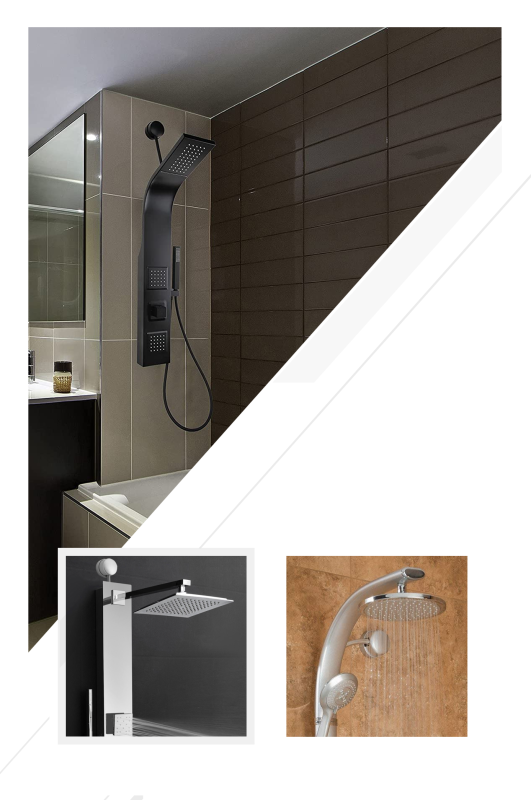
Modern housing is as much about the experience of living in the space as it is about the shell of the building. People want kitchens that function smoothly, bathrooms that feel calming, and layouts that support daily routines. Factory-built construction encourages early coordination between architecture, engineering, and interior decisions. That coordination can strengthen the design because the constraints and opportunities are understood before the build begins.
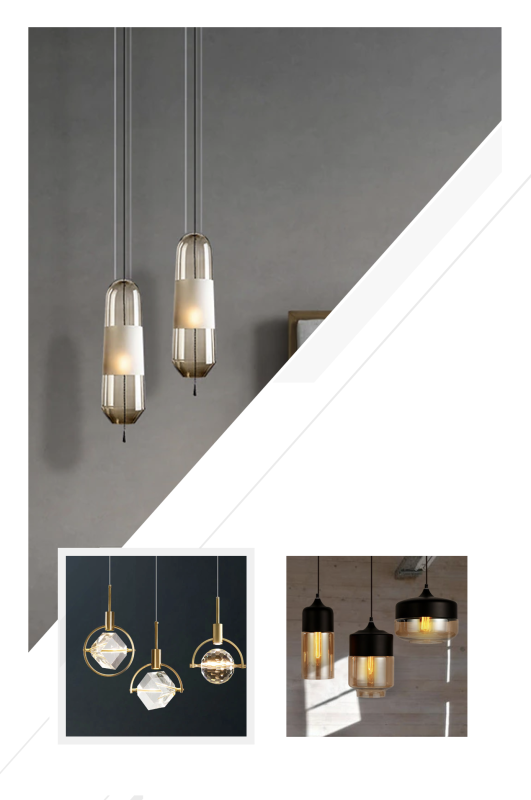
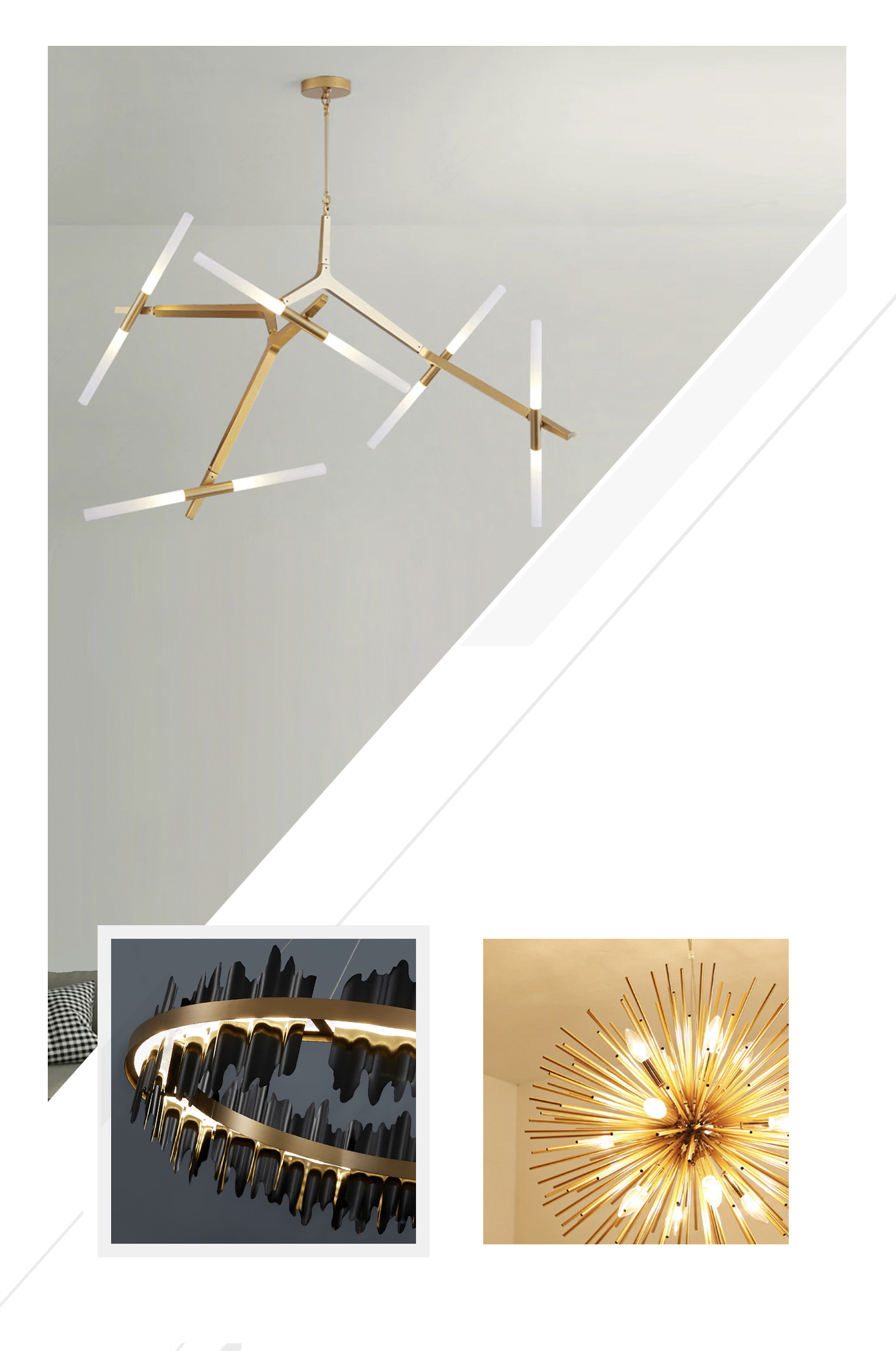
When designers know exactly where mechanical runs will go, how wall thickness affects cabinetry, and how daylight will be captured, the space feels more resolved. Storage can be planned as part of the architecture. Lighting can be layered instead of added as an afterthought. Materials can be selected to work together rather than chosen in isolation. The home feels cohesive because it was coordinated from the start.
Modern Does Not Mean Cold
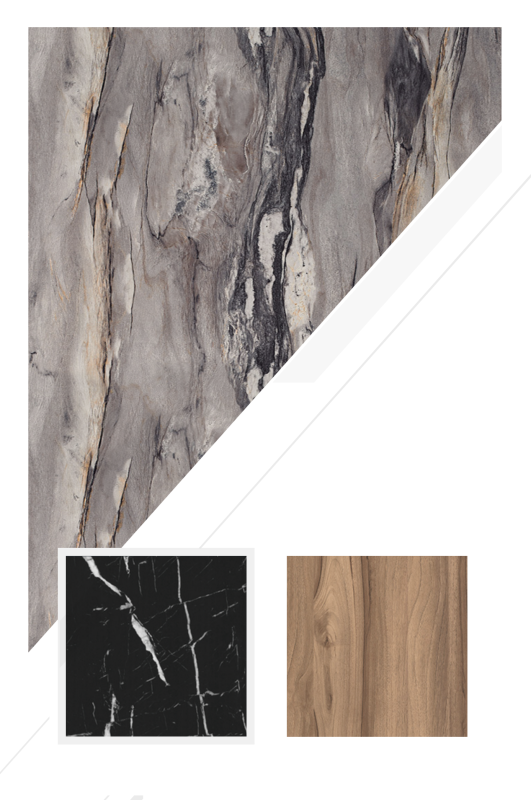
There is a misconception that modern housing means sterile spaces and minimal comfort. In reality, the best modern homes feel warm, quiet, and easy to live in. Thoughtful proportions, natural materials, and a simple but intentional palette can create calm without feeling empty. Factory-built homes can support this approach because the precision of construction makes clean lines and consistent finishes easier to achieve, while still leaving room for texture and personality.
Energy Performance Is Easier to Deliver Consistently
Homeowners across California care about comfort and energy bills, but they also care about resilience and long-term performance. The building envelope, including insulation, air sealing, and window quality, is a major driver of how a home feels day to day. Drafty rooms, temperature swings, and noisy interiors are often symptoms of uneven execution, not bad intentions.
Factory-built construction can improve consistency in the envelope because installation conditions are stable. Teams can focus on continuous insulation, precise sealing, and correct integration around windows and penetrations. When these details are executed consistently, the home can feel quieter, more stable in temperature, and more comfortable through hot afternoons and cool coastal evenings.
Better envelope performance also supports indoor air quality. Controlled ventilation strategies, paired with good filtration and careful material choices, can create a healthier interior environment. Modern buyers and renters are increasingly aware of these factors, especially families planning to live in the home for many years.
A Better Fit for Infill, ADUs, and Urban Lots
In many California neighborhoods, the most realistic new housing is not a large subdivision. It is infill. It is a backyard ADU, a small primary home on a tight lot, or a second unit designed for multigenerational living. These projects have unique constraints: access can be limited, staging space is tight, and neighbors are close.
Factory-built delivery can reduce on-site disruption because major construction happens off-site. Instead of months of framing and assembly noise, the site phase often focuses on foundation, utilities, and final set and connections. For homeowners and neighbors, that can mean fewer weeks of daily disruption and less uncertainty about how long the property will be under construction.
Less Site Chaos, More Respect for Neighborhoods
Modern housing should be considerate. When construction stretches on, it impacts daily life and neighborhood experience. Reducing the on-site duration can improve everything from parking conflicts to dust and noise. It also simplifies site safety and helps keep projects cleaner and more organized, which matters for homeowners who still need to access their property during the build.
Cost Clarity Improves Decision Making
Homeowners often hear that factory-built homes can be more cost-effective, but the real advantage is often cost clarity. Modern homeowners want fewer unknowns. They want to understand what is included, what changes will cost, and how decisions affect the budget. Because factory-built projects rely on early selections and coordinated scopes, pricing can often be defined more clearly earlier in the process.
This helps homeowners make better decisions. If the budget is tight, they can prioritize the features that improve daily life, like better windows, improved insulation, and durable flooring, rather than spending on items that do not add long-term value. If the goal is a premium home, they can invest in design details and finish quality with a clearer understanding of how it affects the overall plan.
Resilience and Durability Are Part of the Conversation Now
Modern housing in California must consider resilience. Wildfire risk, heat events, and changing insurance requirements have pushed durability to the top of the list. Homeowners are asking more detailed questions about exterior materials, ventilation protection, ember resistance, and long-term maintenance. While specific requirements depend on location and local codes, the broader trend is clear: resilience is not optional.
Factory-built construction can support resilience because assemblies and material strategies can be standardized and verified. Details that protect the envelope, manage moisture, and improve long-term durability can be built into the approach rather than improvised on-site. When paired with thoughtful site planning, defensible space strategies, and code-appropriate materials, a factory-built home can be designed to perform confidently over time.
What Homeowners Should Look For
Not all factory-built homes are the same, and modern buyers should know what to evaluate. Look for a process that emphasizes early coordination, clear scopes, and transparent design decisions. Ask how quality is checked during production, how moisture is managed, and how final on-site connections are handled. Review the finish standards, and make sure the home aligns with your goals for comfort, durability, and aesthetics.
Also consider the team’s experience navigating permitting and site conditions. The best outcomes happen when the off-site build and the on-site work are treated as one integrated project. A beautiful module still needs a well-prepared foundation, properly planned utilities, and careful final detailing on site.
Closing Thoughts
Factory-built homes are redefining modern housing because they align with what homeowners value most today: predictability, quality, comfort, and thoughtful design. By shifting much of the work into a controlled environment and coordinating decisions earlier, factory-built construction can reduce disruptions and deliver a more consistent result.
Modern housing is not just about what a home looks like on move-in day. It is about how it performs, how it feels, and how confidently it fits into your life. When the process is designed to protect quality and reduce uncertainty, homeowners can focus less on managing construction and more on creating a home that supports the way they want to live.
About Joy Line Homes
Joy Line Homes helps California homeowners design ADUs and factory-built housing that prioritize comfort, livability, and long-term value.
Visit AduraAdu.com to explore ADU planning resources.
Let's Get Started
Please Select the form that applies to you by selecting the appropriate tab above.
We are based in Santa Clara County ,
California
Tel: (831) 888-Home
Email: info@joylinehomes.com
Business Hours: 9am - 6pm