Factory-Built Homes and the Evolution of Modern Design
By Joy Line Homes
Modern design is often described as a look: clean lines, open plans, generous glazing, and calm material palettes. But the deeper story of modern design is not only aesthetic. It is also a system for living. It prioritizes daylight, comfort, efficiency, and clarity. In California’s high-cost regions, that philosophy is increasingly tied to how homes are produced, not just how they look. Factory-built homes and ADUs are changing the way modern design is delivered because they bring repeatability, performance control, and design integrity into a housing market that has become harder to predict.
When homeowners in San Jose, Santa Cruz, San Francisco, Sacramento, Santa Rosa County, San Luis Obispo County, Santa Barbara, Los Angeles and LA County, Orange County, and San Diego consider a new build, many are not simply deciding between styles. They are deciding whether modern design can be achieved without the common tradeoffs of a long, messy build. They want spaces that feel intentional, durable, and easy to maintain. They also want a timeline and budget that match real life. Factory-built construction offers a path where modern design is not fragile. It becomes more achievable and more consistent.
This is especially true for ADUs. An ADU is often a modern design project by nature. It has to be efficient. It has to make small spaces feel complete. It has to support flexibility, rental readiness, and multigenerational living. Many of the principles that define modern design, like strong indoor-outdoor connection, clear circulation, and minimal wasted space, align naturally with what an ADU needs to succeed. Factory-built methods can enhance that alignment by improving precision and reducing jobsite variability.
Modern Design Has Always Been About Systems
Modern design did not emerge only from taste. It emerged from a shift in how architects and builders thought about housing. A home was no longer a collection of decorative gestures. It became a functional environment that could adapt to changing households and daily routines. That idea is even more relevant today. A modern home should support work, rest, privacy, social life, and the quiet moments in between, all while managing energy costs and climate conditions.
Factory-built construction strengthens modern design because it treats the home as a coordinated system. The wall assemblies, windows, insulation, mechanical layouts, and finish sequences are planned early. This can reduce the common disconnect between design intent and onsite execution. Many homeowners have experienced projects where the design looked great on paper but drifted during construction. Small substitutions, rushed installations, and inconsistent details can change the feel of a modern home quickly. In a factory setting, design intent can be protected through standardized steps and consistent quality checks.
Why Consistency Matters in Modern Homes
Modern design relies on proportion and restraint. When lines are clean, small mistakes are easier to see. An uneven reveal, a misaligned cabinet run, or inconsistent flooring transitions can undermine a space that was meant to feel calm. Factory-built workflows tend to support higher consistency because teams repeat processes and refine them. That repetition can translate into better alignment, more reliable finish quality, and fewer last-minute compromises.
For homeowners in places like Palo Alto, Redwood City, Campbell, Mountain View, Sunnyvale, Santa Clara, Cupertino, Milpitas, Los Gatos, and Saratoga, modern design often carries a high expectation of execution. A home may be compact, but the details need to feel deliberate. Factory-built methods can help deliver that standard without requiring a long onsite sequence that increases risk and fatigue.
Factory-Built Design Makes Efficiency Feel Spacious
One of the great achievements of modern design is the ability to make modest square footage feel expansive. This is not a trick. It comes from thoughtful planning: clear sightlines, well-placed glazing, consistent ceiling planes, and storage that is integrated rather than added later. Factory-built homes and ADUs are well positioned to deliver this because layout decisions are locked earlier, and spatial efficiency is treated as essential.
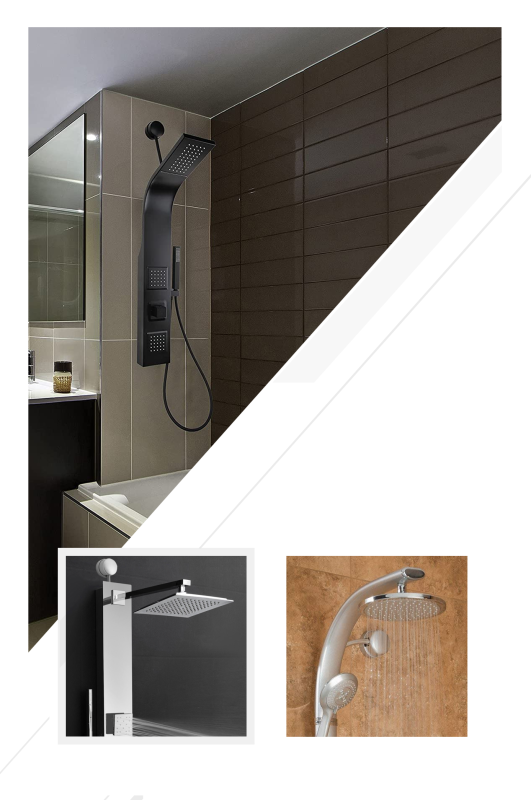
In an ADU, every foot has a purpose. The kitchen needs to work without feeling cramped. The bathroom must be comfortable and durable. The sleeping area needs privacy without wasting floor area. Modern design supports these goals through smart zoning, compact utility planning, and careful attention to light. Factory-built construction can improve outcomes by reducing the jobsite compromises that happen when trades are working around each other in tight spaces.
In high-cost markets, the financial reality also pushes design toward efficiency. A homeowner in San Jose may want an ADU that rents well while still feeling like a real home. A family in Santa Cruz may need an ADU for aging in place, where accessibility and comfort matter more than extra square footage. A property owner in Los Angeles may want a unit that balances durability, low maintenance, and tenant appeal. Modern design, delivered well, becomes the bridge between efficiency and livability.
Material Choices Are Evolving Alongside Construction Methods
Modern design is also shaped by material decisions. Homeowners today are often choosing materials not just for appearance, but for longevity, fire awareness, maintenance, and performance. In California, this is increasingly connected to climate conditions and insurance realities. Factory-built homes can support these goals by integrating assemblies and finishes in a controlled environment where materials can be handled and installed with fewer interruptions.
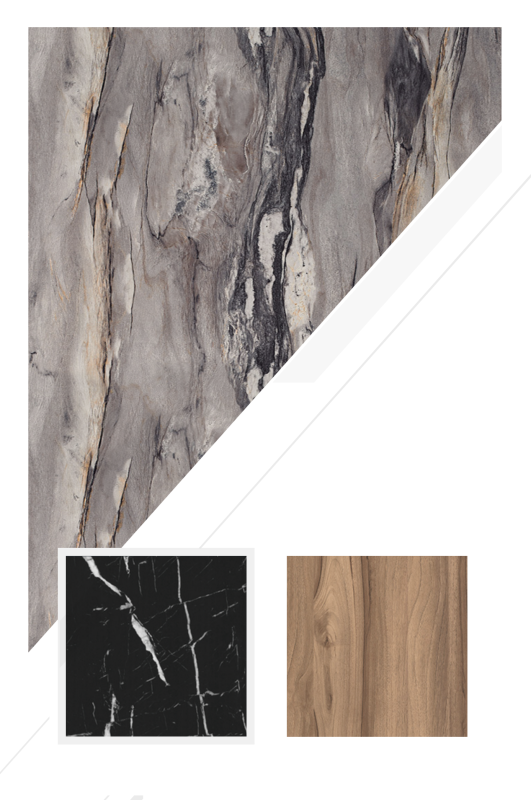
Materials that feel modern often have a quiet honesty. Wood, fiber cement, metal, and clean plaster-like surfaces can feel both contemporary and timeless. Interior selections like durable flooring, solid-core doors, and well-fitted cabinetry contribute to the feeling of permanence. When the home is assembled with consistent processes, these materials can read as intentional rather than improvised.
For ADUs, durability is a design feature. A rental ADU in San Francisco benefits from finishes that can handle daily use without showing wear. A family ADU in Sacramento benefits from systems that are easy to maintain. A coastal ADU in Santa Barbara or San Luis Obispo County benefits from materials that handle moisture and salt air with less upkeep. Modern design is not only about minimalism. It is about choosing what lasts.
Lighting and Window Strategy: Where Modern Design Wins
Light is one of the most powerful tools in modern design. When daylight is balanced, small spaces feel calmer and more spacious. Factory-built planning can support better light strategy because window placement and mechanical coordination are resolved earlier. In site-built projects, window placement can shift due to framing decisions, field conflicts, or rushed changes. In factory-built workflows, openings are often part of a repeatable set of steps, which can protect the design intent.
For privacy-sensitive lots, which are common in San Jose neighborhoods like Willow Glen, Almaden Valley, Cambrian, Rose Garden, Berryessa, Evergreen, and North San Jose, modern design can use clerestory windows, corner glazing, and carefully placed doors to bring in light without creating uncomfortable sightlines. In Campbell, Palo Alto, and Redwood City, where lot patterns and neighbor proximity can vary, a tailored window plan can make the difference between an ADU that feels exposed and one that feels serene.
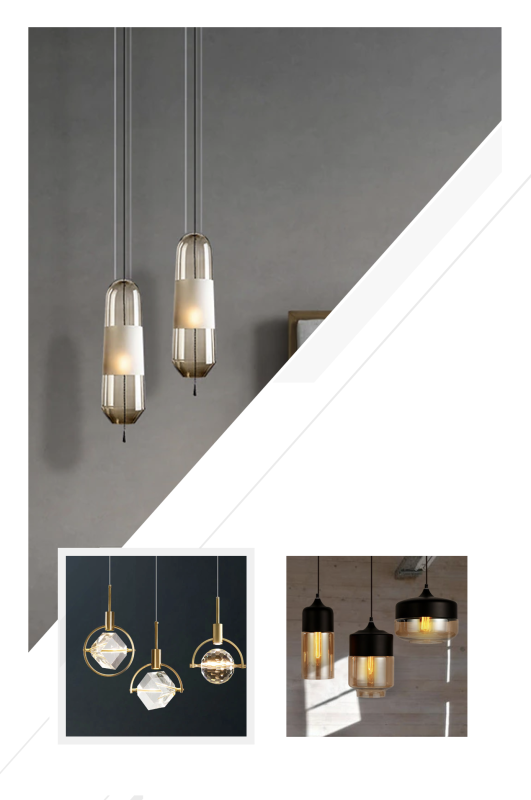
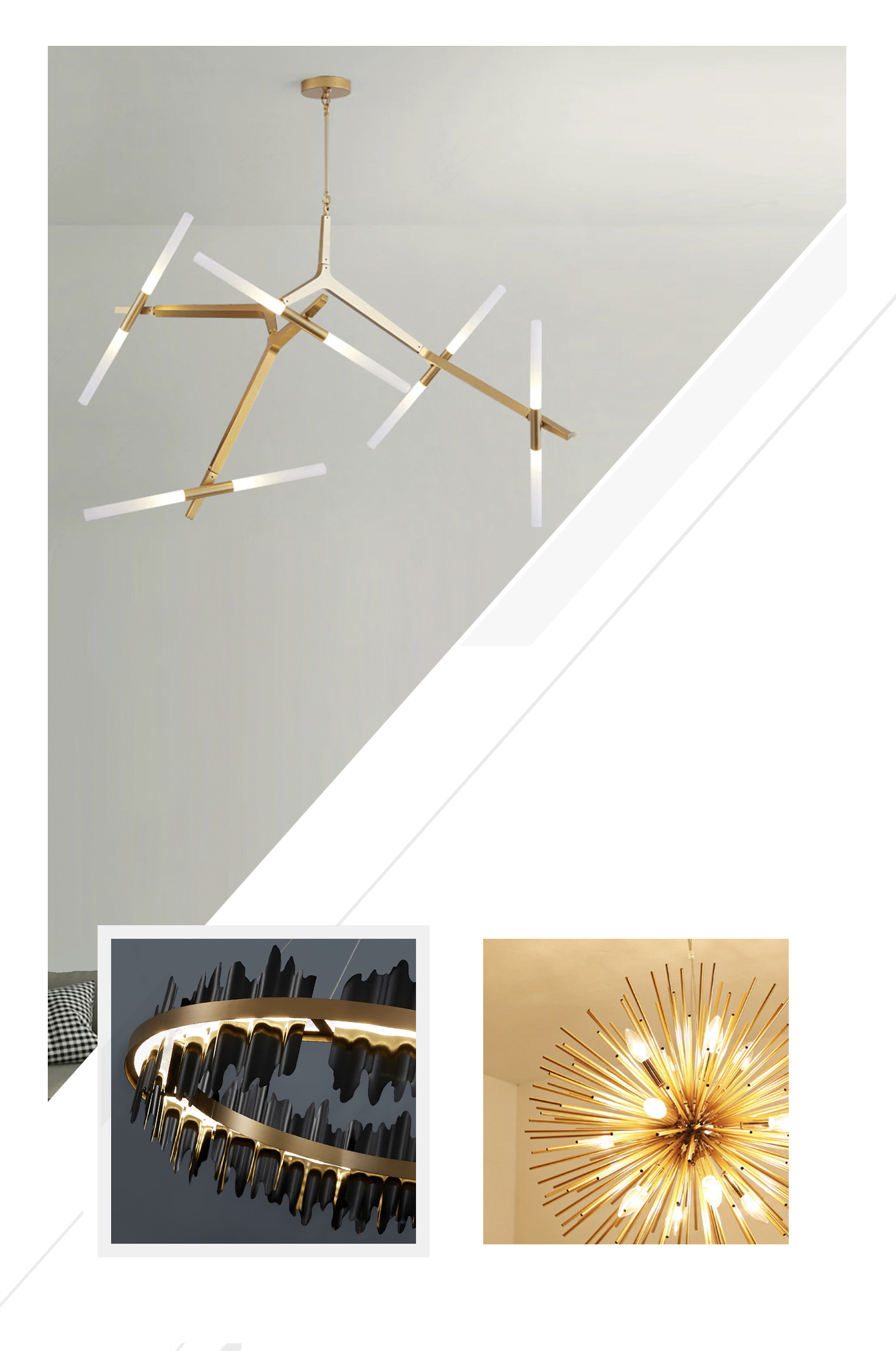
Modern lighting is not only daylight. Layered artificial lighting matters too. Well-placed task lighting, gentle ambient lighting, and thoughtful fixture selection can make an ADU feel complete at night. Factory-built coordination can simplify this because the electrical plan is integrated with cabinetry, appliances, and circulation zones. The result is not just convenience. It is atmosphere, which is a core part of how modern design feels in real life.
The Modern Floor Plan Is Less About Openness, More About Clarity
Open plans are often associated with modern design, but the best modern floor plans are not simply open. They are clear. They create intuitive zones for cooking, dining, lounging, sleeping, and working. They support privacy where needed, and they avoid wasted circulation. This matters in both primary homes and ADUs, especially when a unit needs to adapt over time.
For example, an ADU designed for a family member may later become a rental. A unit designed as a rental may later become a workspace or a guest suite. Modern design supports this flexibility by reducing awkward leftover space and creating rooms that can be reinterpreted. Factory-built construction supports it by making these decisions intentional at the start rather than patched later.
Designing ADUs for Both Rental and Family Use
The difference between a rental-ready ADU and a family-focused ADU is often subtle. Both benefit from durability, storage, and privacy. A rental unit may prioritize easy maintenance and a layout that appeals broadly. A family unit may prioritize accessibility, comfort, and a sense of connection to the main home while still maintaining independence.
Modern design can serve both. Features like a defined entry, a comfortable kitchen, and a well-proportioned living area support daily life. Thoughtful sound control and privacy strategy can prevent the ADU from feeling like it is “in the backyard” in a negative way. In dense markets like San Francisco or parts of San Jose, these details are not luxuries. They are what make the unit livable.
Performance Is Becoming a Design Standard
Modern design is increasingly measured by performance. A home that looks beautiful but feels drafty, loud, or inconsistent in temperature does not deliver modern comfort. Factory-built construction can support performance through repeatable insulation installation, improved air sealing control, and consistent mechanical coordination. This matters in California, where energy costs and comfort expectations are real parts of the homeowner experience.
In a coastal climate like Santa Cruz or San Francisco, moisture management and indoor comfort matter. In inland areas like Sacramento, heat management and efficient cooling matter. In Southern California, comfort and energy efficiency matter across a wide range of microclimates. When modern design and performance align, a home feels calm because it is physically stable. Temperature holds. Air feels fresh. Sound is controlled. These are design outcomes, not just mechanical outcomes.
Factory-Built Methods Support Cleaner Detailing
Modern design depends on details that can be hard to execute onsite. Flush transitions, consistent shadow lines, well-aligned cabinetry, and tight window trim strategies often require coordination across trades. When a project stretches over months onsite, trade coordination becomes harder. Schedules shift. Materials arrive late. Decisions get rushed. That is when modern details can degrade.
Factory-built workflows can reduce these risks by controlling sequence and access. Trades can work in predictable order. Materials are staged. Quality checks are part of the process, not a hopeful afterthought. This does not remove the need for good planning, but it can make good planning more effective. In regions where labor volatility is high, like the Bay Area and parts of Southern California, this predictability can be a major advantage.
Modern Design Is Also Neighborhood Design
ADUs and factory-built homes are reshaping neighborhood character in a quieter way than many people expected. A well-designed ADU can add housing without overwhelming a street. It can support multigenerational living without forcing families to move away. It can provide rental opportunities without requiring a new apartment building on a single-family block. Modern design is well suited for this because it can be compact and respectful while still feeling high quality.
In San Jose and its surrounding cities, this is part of the conversation in real time. Homeowners in Willow Glen may want an ADU that feels discreet and architectural. Families in Almaden Valley may want an ADU that supports aging parents while keeping the primary home private. In Cambrian and Evergreen, homeowners may want an ADU that supports rental income while maintaining a calm backyard environment. Modern design can handle these goals because it can be both simple and refined.
In Santa Barbara and San Luis Obispo County, the conversation may include design review and a desire for compatibility with local character. In Los Angeles and Orange County, the conversation may include density, parking, and long-term rental strategy. In San Diego, the conversation may include topography and neighborhood patterns. Factory-built design does not eliminate these considerations. It can make execution more reliable once decisions are made.
Where This Is Going Next
The evolution of modern design in factory-built housing is moving toward integration. Systems are becoming more coordinated, and homeowner expectations are becoming more sophisticated. People want ADUs that feel like real homes, not secondary structures. They want primary homes that are efficient and durable, not fragile showpieces. They want architecture that holds up in daily life.
Factory-built housing supports this direction because it encourages planning discipline. It supports repeatable quality. It helps modern design land in the real world, where schedules and budgets matter. Across California, from Santa Cruz to San Jose and San Francisco, from Sacramento to Santa Rosa County, and from Santa Barbara to LA County, Orange County, and San Diego, the same pattern is emerging: the future of modern design is not only about appearance. It is about delivery, performance, and long-term livability.
Final Thoughts
Factory-built homes are not replacing design. They are changing the conditions that allow design to succeed. Modern design becomes more approachable when execution is consistent, performance is reliable, and the path to occupancy is clearer. For ADUs, this matters even more because small spaces demand precision. When a factory-built ADU is planned with intention, it can feel calm, complete, and genuinely residential.
If you are exploring a modern home or ADU in San Jose, including neighborhoods like Willow Glen, Almaden Valley, Cambrian, Rose Garden, Berryessa, Evergreen, and North San Jose, or in nearby cities like Campbell, Palo Alto, and Redwood City, the goal is not simply to build quickly. The goal is to build well. That is where factory-built construction and modern design can meet in a way that feels practical, beautiful, and built for the long run.
About Joy Line Homes
Joy Line Homes helps California homeowners plan ADUs and factory-built homes that prioritize modern design, predictable delivery, and long-term performance.
Visit AduraAdu.com to explore ADU planning resources.
Let's Get Started
Please Select the form that applies to you by selecting the appropriate tab above.
We are based in San Jose County ,
California
Tel: (831) 888-Home
Email: info@joylinehomes.com
Business Hours: 9am - 6pm