Factory-Built Homes Explained: From Design Approval to Final Installation
By Joy Line Homes
If you have ever watched a construction project drag on for months, you already understand why so many California homeowners are curious about factory-built homes. People want a home that feels modern, durable, and truly livable, but they also want the journey to feel organized. They want fewer surprises, fewer moving targets, and a clearer timeline.
Before we map the process, it helps to start with a simple introduction about manufactured homes, because the terminology gets mixed up. Manufactured homes are built in a factory too, but they follow a different regulatory path than most modular homes. Factory-built is an umbrella phrase that can include manufactured housing, modular construction, and other offsite building approaches. What matters for homeowners is not the label, but how the home is engineered, permitted, installed, and inspected in your city or county.
This article focuses on the factory-built journey as a practical sequence you can understand, from the moment your design is approved to the day you receive final sign-off. At Joy Line Homes, we treat clarity as part of the product. When you know what happens next, the project feels more confident and far less stressful.
Phase 1: Start With Real Site Truth
A factory-built home still becomes a permanent structure on a real property, with real constraints. The first phase is learning what your site will allow and what it will require. This is where many good projects are protected from avoidable delays.
Access, slope, and the delivery path
Delivery matters. Your driveway width, overhead clearance, street conditions, turning radius, and staging area all affect what can be delivered and how. A site that is perfect for a traditional build may still need a specific delivery plan for a factory-built home. When these details are identified early, the design can match the reality of the path from the road to the foundation.
Utilities and capacity
Electrical, water, sewer, and gas are not just checkboxes. Capacity and routing affect both budget and timeline. Older properties may need upgrades, and some sites require longer trenching runs or creative routing. Factory-built homes often feel smoother because the home itself is predictable, but utilities still require smart planning and coordination.
Setbacks, easements, and local requirements
Every city and county has its own nuances. Setbacks, height limits, lot coverage, fire access, and stormwater expectations can change what your plan looks like. The goal in Phase 1 is not to guess. It is to confirm. When constraints are understood early, later phases move faster because decisions stay aligned.
Phase 2: Design Approval That Locks the Plan
Factory-built construction rewards early clarity. Once you approve the design and specifications, the project can be engineered precisely and built with repeatable workflows. This is a different mindset than a traditional jobsite where many decisions are made midstream.
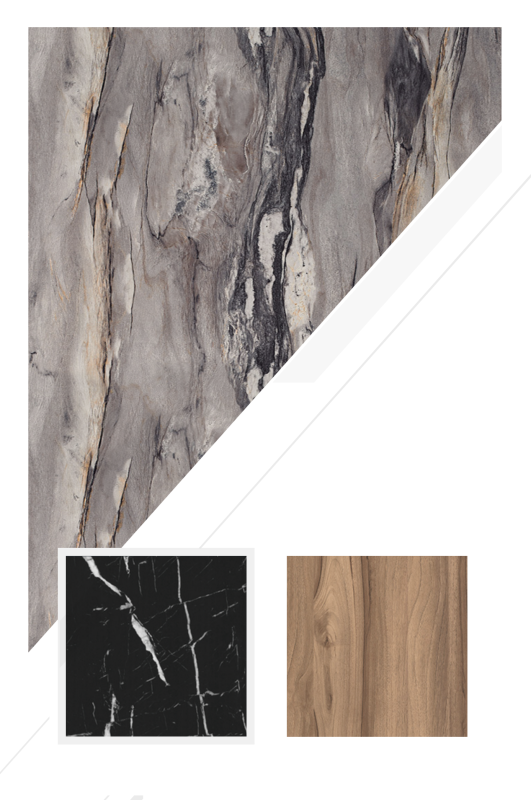
Design approval includes the floor plan, window and door placement, exterior look, mechanical approach, and key finish selections. The goal is not to remove creativity. The goal is to move creativity to the right moment, before production begins, so the build can stay consistent and predictable.
What you should confirm before you approve
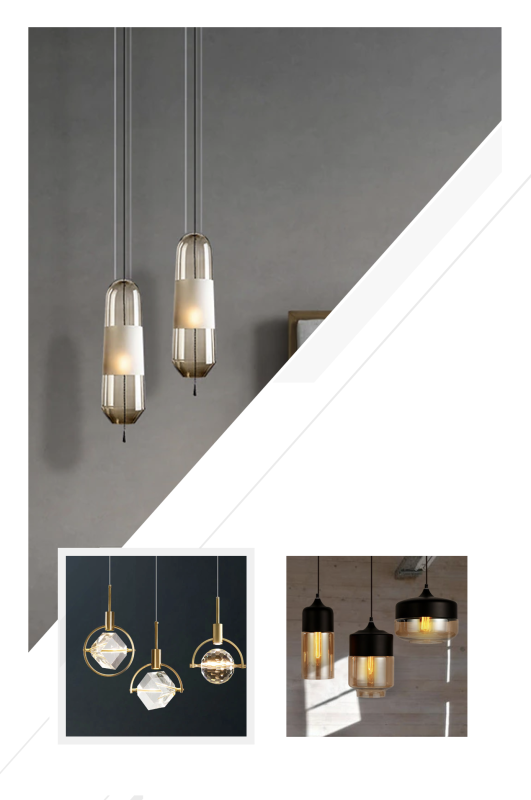
Confirm how you want to live in the home. Is it for family? Rental income? Aging in place? A future move? These goals shape choices like storage, acoustic comfort, lighting quality, and kitchen usability. A home that looks great on paper can still feel compromised if it was not designed around real routines.
Also confirm what is included in the scope and what is not. Clarity here is where homeowners feel the biggest difference between a smooth project and a frustrating one.
Phase 3: Engineering and Permit-Ready Plans
Once the design is approved, the project moves into technical detail. Engineering is where the home becomes buildable on paper, and permitting is where the jurisdiction confirms it meets requirements.
In California, this phase often includes structural design for seismic conditions, energy compliance documentation, and local coordination for foundation and utility connections. The better organized the plan set, the smoother the review process tends to be.
A helpful way to think about permitting is that it is not just permission. It is a safety and performance checkpoint. A good plan review reduces future risk and protects long term value.
Phase 4: Factory Production and Quality Control
This is where factory-built homes feel fundamentally different from traditional construction. Instead of a home being assembled outdoors with shifting conditions, production happens indoors with consistent tooling, stable weather protection, and repeatable sequencing.
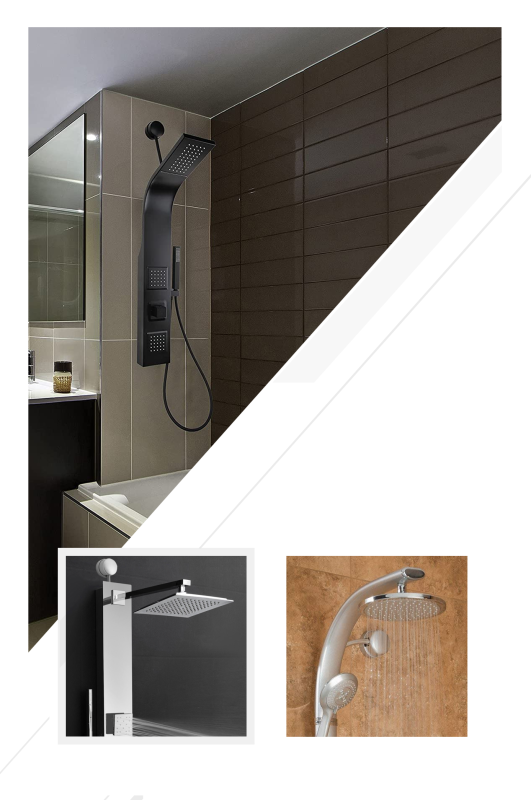
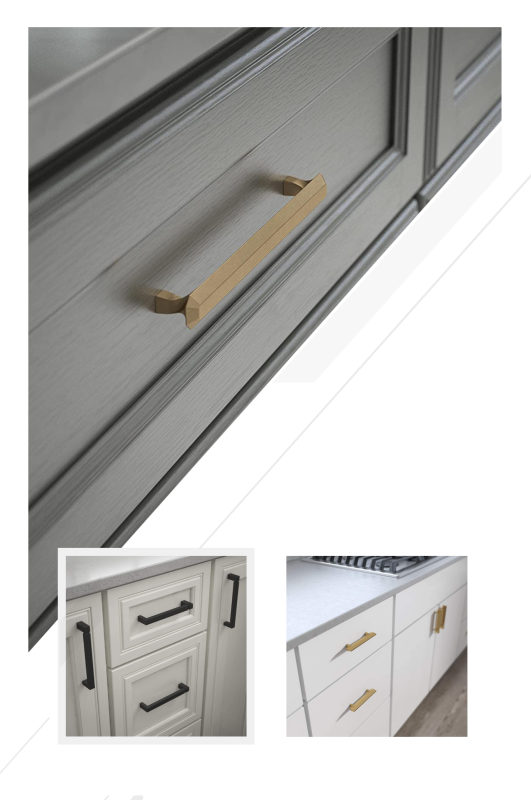
Framing, mechanical systems, insulation, interior wall surfaces, cabinetry, and many finishes can be completed in a controlled environment. That control supports precision. It also supports a calmer schedule, because fewer steps rely on perfect outdoor timing.
Why quality feels different in a factory
Quality is not only about expensive materials. It is about alignment, consistency, and careful installation. In a factory environment, teams repeat the same processes, check measurements continuously, and maintain cleaner working conditions. For smaller homes especially, detail is experienced up close. Clean transitions, tight finishes, and consistent installation all affect how the home feels day to day.
Quality control in factory-built work tends to be layered. Instead of waiting until the end to “fix problems,” the process is designed to prevent problems by catching them early.
Phase 5: Parallel Site Preparation
One of the biggest benefits of factory-built homes is overlap. While the home is being built, the site is being prepared. This can compress the overall timeline, but only if coordination is strong.
Foundation work that matches the home precisely
The foundation is the handshake between factory and site. It must be accurate. Layout, elevations, anchor points, and utility stub locations all need to align with the home’s specifications. This is where experienced coordination matters most, because a small misalignment can create unnecessary rework.
Trenching, utility runs, and restoration planning
Site preparation often includes trenching for electrical and plumbing, setting up water and sewer connections, and planning drainage. Many homeowners forget to plan for restoration early, such as repairing landscaping areas disturbed by trenching. When restoration is planned up front, the end of the project feels finished rather than patchwork.
If the home is being placed in a high wind or fire-prone zone, site considerations can also include defensible space planning, careful placement away from heavy vegetation, and smart exterior detailing choices around vents and openings. These considerations can be integrated without making the home feel defensive.
Phase 6: Delivery Planning and Set Day
Delivery is a moment that feels dramatic, but it should not feel chaotic. The best set days look calm because every detail was coordinated in advance. Transport scheduling, route planning, staging, crane coordination, and safety planning all happen before the home arrives.
Homeowners often say this is the most surprising part. A phase that they expected to be stressful can feel smooth when the work is properly sequenced.
What happens on set day
The home arrives, the crew positions it on the foundation, and the structure is secured and protected. This is not the end of the project, but it is the point where the home becomes physically real on the property. After set day, teams focus on final connections, exterior tie-ins, and the last phase of completion.
Phase 7: Final Connections, Inspections, and Closeout
The final phase is where a factory-built home becomes fully operational. Utilities are connected, systems are tested, and final exterior and interior details are completed. Inspections confirm that the home meets requirements and is safe for occupancy.
A clear punch list helps the last details feel satisfying rather than exhausting. The goal is not perfection in a theoretical sense. The goal is a finished home that performs well, feels comfortable, and is ready for real life.
Why the process feels more predictable
Factory-built homes often feel more predictable because so many variables are reduced. Weather exposure is minimized, production sequencing is repeatable, and the on-site phase is more focused. That does not mean the project has no complexity. It means complexity is managed earlier, with planning that protects your time, budget, and experience.
If you want a home that is delivered with clarity, the smartest next step is to start with your site and your goals. When those are understood, the right factory-built approach becomes much easier to identify.
About Joy Line Homes
Joy Line Homes delivers thoughtfully designed modular, manufactured, and factory-built homes across California, with a focus on clarity, quality, and long-term value.
Visit AduraAdu.com to explore home designs and planning options.
Let's Get Started
Please Select the form that applies to you by selecting the appropriate tab above.
We are based in Santa Clara County ,
California
Tel: (831) 888-Home
Email: info@joylinehomes.com
Business Hours: 9am - 6pm