Long-Term Value of Factory-Built Homes for Homeowners and Investors
By Joy Line Homes
Long-term value is one of the most important considerations when building, buying, or investing in a home. While purchase price often dominates early conversations, the true performance of a property reveals itself over years of ownership. Maintenance demands, comfort, energy efficiency, durability, and adaptability all influence whether a home continues to support financial and lifestyle goals or slowly becomes a source of stress and unpredictable expense.
Factory-built homes have earned increasing attention in California because they approach construction with greater discipline and consistency. Much of the work occurs in a controlled environment where sequencing, materials, and labor are managed with intention. This approach does not only improve the building experience. It shapes how the home performs long after the keys are handed over.
In a state defined by rising construction costs, strict codes, and evolving buyer expectations, long-term value matters more than ever. Buyers and renters increasingly notice how a home feels to live in. They care about operating costs, sound control, and comfort. Investors care about predictability, maintenance exposure, and resale confidence. Factory-built construction can support these priorities when planning, engineering, and installation are aligned.
Understanding Long-Term Value Beyond Initial Cost
A home’s value is not determined on move-in day. It is shaped by how the structure holds up under daily use, how it responds to climate stress, and how much effort it requires to maintain. In California, where energy prices, insurance requirements, and environmental conditions continue to shift, long-term performance plays a growing role in buyer and tenant decision making.
Factory-built homes are permanent residences installed on permanent foundations. Their value does not come from being temporary or simplified. It comes from coordination. Design decisions are made earlier, conflicts are resolved before production, and assemblies are built in a setting that supports repeatability. When these factors come together, the result is a home that behaves more predictably over time.
Durability That Supports Long-Term Performance
Durability is one of the strongest predictors of long-term value. Factory-built homes benefit from indoor construction during the most vulnerable stages of assembly. Structural components are protected from prolonged moisture exposure. Insulation and finishes are installed in stable conditions. This reduces risks associated with swelling, warping, and premature material degradation.
Over time, small vulnerabilities can compound. Minor gaps can become drafts. Poorly sealed openings can allow water intrusion during storms. Rushed installations can lead to repeated service calls. Factory environments support methodical sequencing and consistent inspections, reducing the likelihood that small issues turn into long-term problems.
Precision and Tighter Building Assemblies
Repeatable workflows contribute to tighter assemblies. When assemblies are tight, performance improves. Interior temperatures remain more stable. Doors and windows operate smoothly. Mechanical systems experience less strain. These benefits enhance comfort while also extending the life of building systems.
Precision also affects how a home ages visually. In smaller homes and ADUs, finish quality is immediately noticeable. When components align cleanly and materials are installed consistently, the home maintains a cohesive appearance longer, supporting both pride of ownership and resale appeal.
Lower Maintenance Over the Life of the Home
Maintenance does not disappear in any home, but predictability matters. Factory-built homes often experience fewer early-stage repairs because materials are handled with greater care and installed under more controlled conditions. Reduced variability during construction can limit the hidden weaknesses that lead to future maintenance surprises.
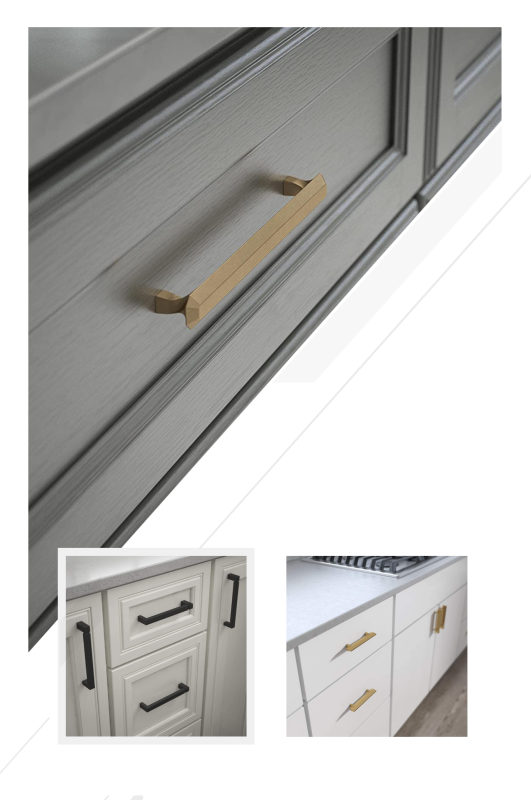
For homeowners, this means fewer disruptions and less stress. For investors, it means more stable operating expenses and fewer emergency repairs. Small details such as level cabinetry, properly planned plumbing access, and clean finish transitions have an outsized influence on long-term maintenance demands.
Energy Performance That Holds Value Over Time
Energy efficiency has become a core driver of long-term value in California housing. Factory-built homes often integrate envelope design, insulation strategy, and mechanical planning early in the process. This coordination supports consistent indoor comfort and lower utility costs throughout the life of the home.
Homes that maintain stable temperatures reduce wear on heating and cooling systems. They also feel better to live in. Quiet systems, balanced airflow, and reduced temperature swings contribute to daily comfort and help the home remain competitive as performance standards rise.
Operating Costs and Market Expectations
Buyers and tenants increasingly evaluate operating costs alongside rent or purchase price. A home that costs less to operate can remain attractive even as energy pricing changes. Investors benefit when predictable operating costs support long-term cash flow. Homeowners benefit from lower monthly expenses and improved comfort.
Strong baseline performance also supports future upgrades. Solar systems, battery storage, and improved controls are easier to integrate when the home is already designed with efficiency in mind.
Cost Predictability That Protects Equity
Equity is built not only through appreciation but also by avoiding unnecessary overruns. Factory-built homes often provide clearer pricing because the structure is defined earlier. This reduces mid-project changes that can consume contingency funds and erode financial buffers.
Predictable construction costs allow homeowners and investors to allocate capital more effectively. Financing decisions are clearer. Timelines are easier to manage. When fewer surprises occur during construction, equity is preserved rather than spent correcting avoidable issues.
Rental Performance and Investor Stability
For investors, long-term value depends on stable occupancy and manageable maintenance. Factory-built homes often perform well as rentals because they are designed with efficient layouts, modern systems, and finishes that appeal to a wide tenant base.
Comfort plays a significant role in tenant retention. Sound control, consistent temperatures, and practical storage reduce daily friction. Homes that feel calm and functional tend to retain tenants longer, reducing turnover costs and vacancy risk.
Predictable Maintenance Supports Cash Flow
From a management perspective, predictable systems matter. Properties with clear mechanical access and durable finishes are easier to service. Fewer emergency repairs translate into steadier net income and simpler long-term management.
Adaptability Across Life Stages and Market Cycles
Homes that adapt remain valuable longer. Factory-built designs that emphasize flexible layouts can support changing household needs, remote work, multigenerational living, or shifts between owner occupancy and rental use. Adaptability reduces the need for costly remodels and extends relevance.
A strong foundation and thoughtful layout also make future improvements easier. When the base structure is sound, incremental upgrades enhance value rather than compensating for weaknesses.
Conclusion
Long-term value is created through durability, efficiency, predictability, and adaptability. Factory-built homes support these qualities by reducing construction variability and improving consistency. For California homeowners and investors focused on performance over decades, factory-built construction offers a stable, disciplined path that balances livability with financial confidence.
About Joy Line Homes
Joy Line Homes helps California homeowners and investors evaluate factory-built and modular construction with clear scope, thoughtful design, and long-term value in mind.
Visit AduraAdu.com to explore factory-built home options and planning resources.
Let's Get Started
Please Select the form that applies to you by selecting the appropriate tab above.
We are based in Santa Clara County ,
California
Tel: (831) 888-Home
Email: info@joylinehomes.com
Business Hours: 9am - 6pm