Why Factory-Built Homes Feel More Complete Than Many Site-Built Homes
By Joy Line Homes
When people walk through a well-executed factory-built home for the first time, they often describe it using the same words. It feels finished. It feels calm. It feels consistent from room to room. This sense of completeness is not an accident or a design trick. It is a result of how factory-built homes are planned, engineered, and assembled.
Many site-built projects can absolutely achieve the same level of polish, but they often depend on a perfect sequence of events. The right subcontractors have to show up on time. Materials have to arrive as planned. Weather needs to cooperate. Design decisions must stay stable. In California, where labor shortages, scheduling conflicts, and permit delays are common, that ideal sequence is not always realistic. The result is that many site-built homes feel like they were completed in chapters, rather than as one coordinated whole.
Factory-built homes often feel more complete because the process is built around coordination. The design is finalized earlier, the assemblies are repeated with consistency, and multiple systems are planned together rather than being layered in at different times. This makes the final experience feel cohesive, not patched together.
Completeness Starts With Earlier Design Decisions
One of the key differences between factory-built and site-built construction is when decisions are made. Factory production requires detailed planning before the build begins. Layouts, structural engineering, mechanical paths, and finish selections are typically finalized earlier. This creates clarity, reduces midstream changes, and helps the home feel consistent when it is complete.
In site-built projects, design decisions sometimes continue deep into construction. The kitchen may be adjusted after framing, lighting may be revised after rough electrical, and finishes may change based on availability. None of this is inherently wrong, but it increases the chances of compromises and mismatch. When decisions happen late, the home can feel like a collection of solutions rather than one integrated plan.
Coordinated Finishes Create Visual Consistency
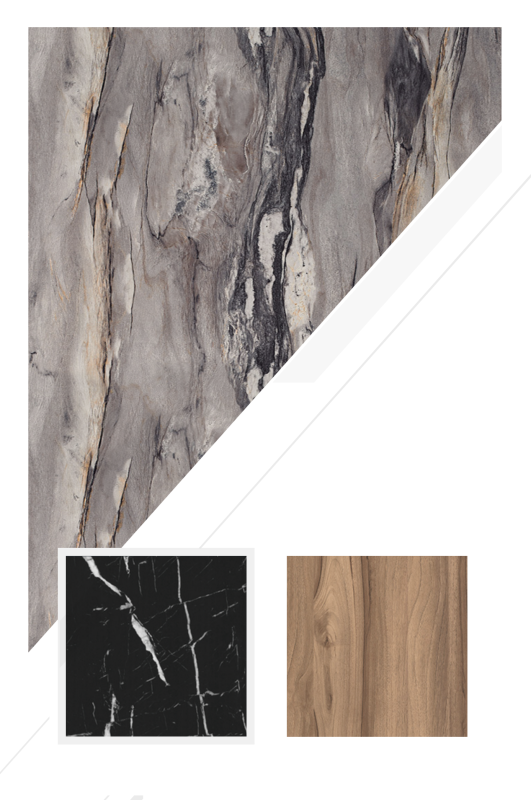
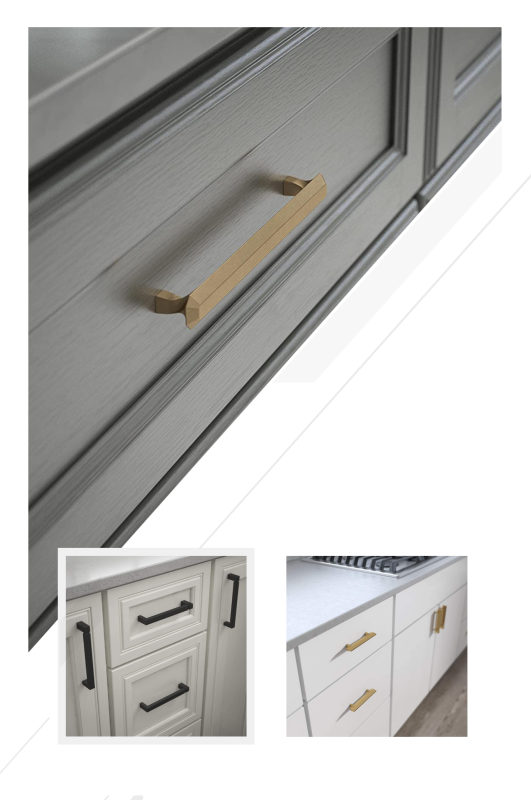
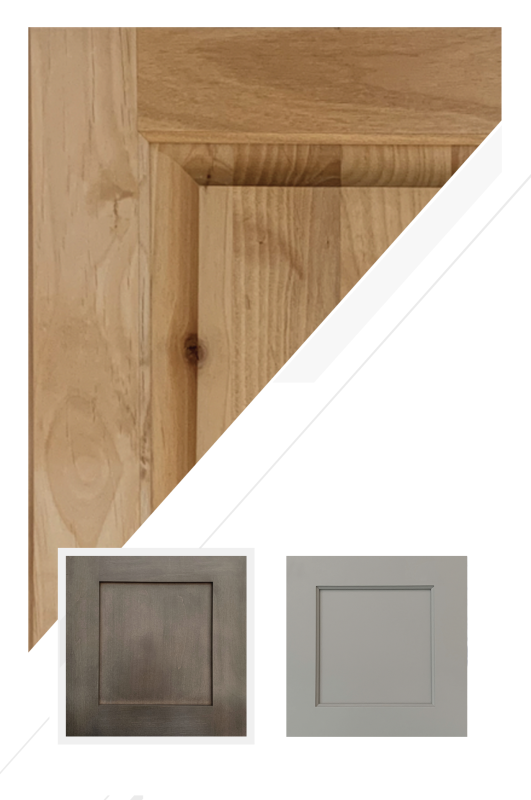
Factory-built homes often benefit from finish packages that are selected and coordinated as a system. Flooring transitions, cabinet alignment, trim profiles, and paint colors are planned to work together. When finishes are installed in a consistent environment with repeatable workflows, the result is a cohesive look that reads as complete from the moment you enter.
In site-built homes, finish work is frequently the stage where time pressure becomes most intense. Delays from earlier phases compress the final schedule. Trades overlap, decisions are rushed, and the last ten percent of work can feel like a scramble. That is often when a home starts to feel unfinished even if it technically passes final inspection.
Factory Sequencing Reduces the Gaps That Create Unfinished Feelings
The sense that a home feels complete is often tied to the absence of small problems. Doors close smoothly. Floors feel level underfoot. Lighting feels intentional. Cabinets line up. The home holds temperature well. These details come from disciplined sequencing and quality control.
In factory-built construction, teams follow repeatable sequences. Each stage is designed to set up the next. Materials are protected, tools are consistent, and inspections occur at predictable checkpoints. This reduces variability and helps minimize the small mismatches that are difficult to fix later.
Less Weather Exposure Protects Materials and Finish Quality
Many site-built homes spend weeks or months exposed to weather during framing and rough-in phases. Even minor moisture exposure can affect wood movement, drywall conditions, and finish alignment later. Factory-built homes reduce this exposure by keeping much of the construction indoors. Drier framing and protected assemblies often translate into cleaner finishes and fewer long-term issues.
Mechanical and Electrical Planning Improves Everyday Experience
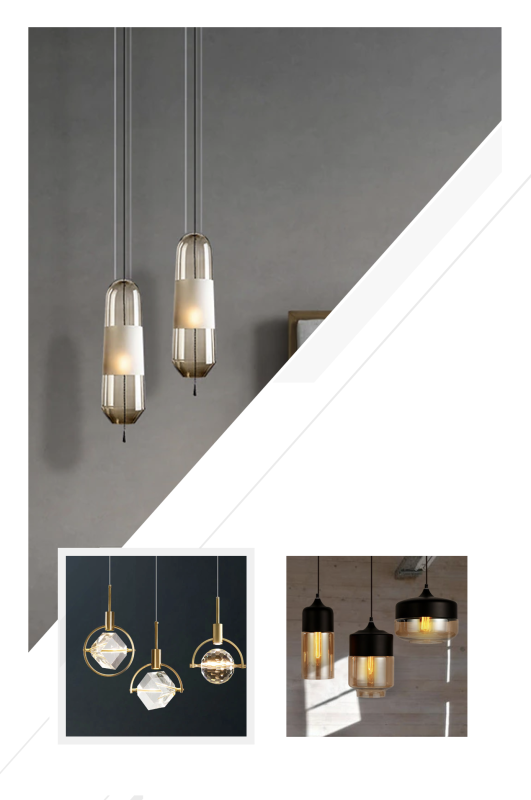
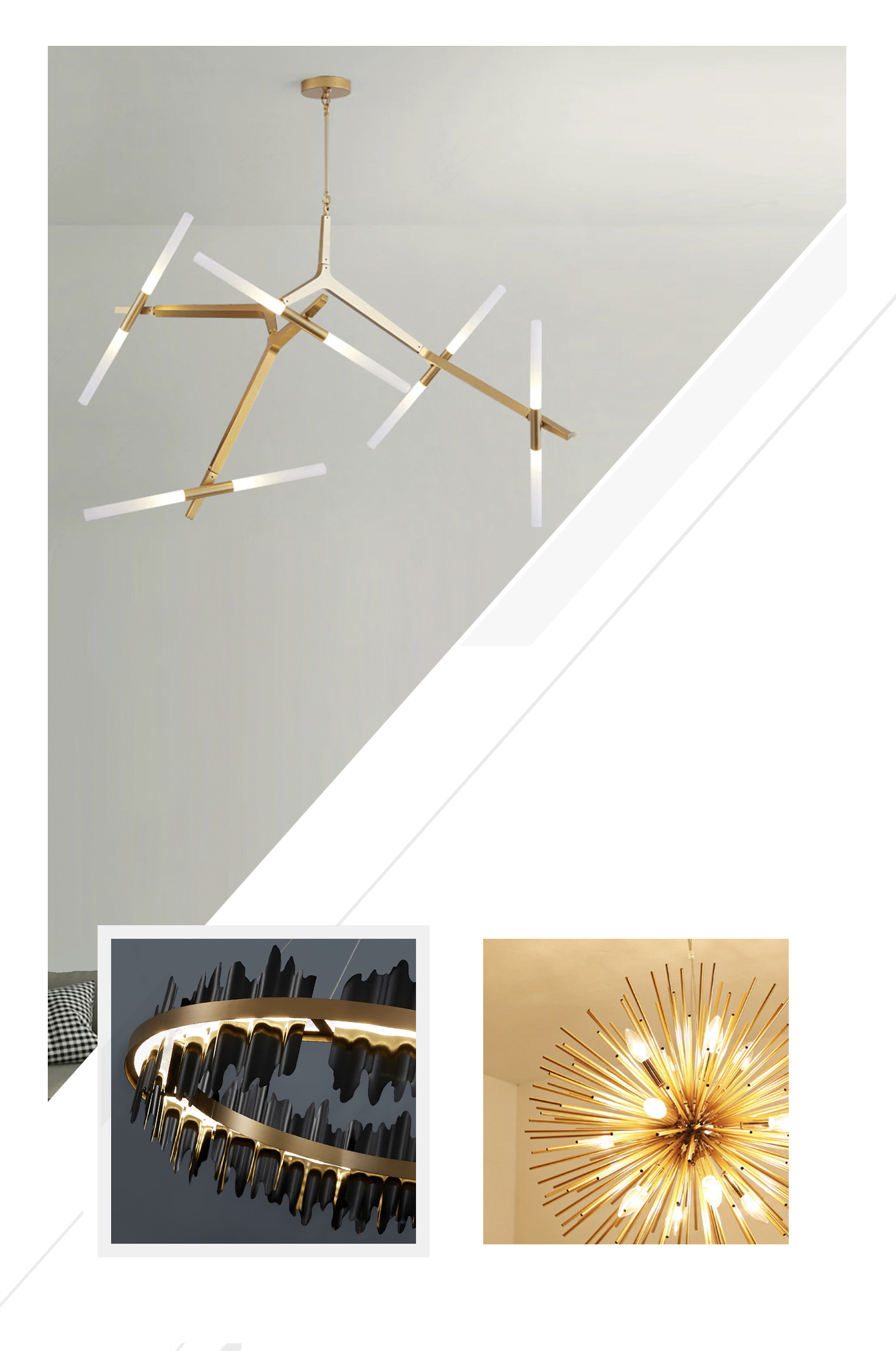
Completeness is not only visual. It is also functional. A home feels complete when it works well. Factory-built homes often feel more resolved because mechanical, electrical, and plumbing systems are coordinated earlier. Duct runs, venting paths, plumbing placement, and lighting layouts can be planned as part of the overall design rather than being adjusted in the field under time pressure.
In site-built projects, system coordination is often affected by the availability of trades and the realities of the jobsite. When schedules slip, crews may work around each other. This can lead to compromises such as awkward soffits, noisy equipment placement, or lighting plans that feel random. The home may still function, but it can feel less intentional.
Comfort and Quiet Are Signs of a Complete Home
People often notice completeness through comfort. Stable indoor temperatures, fewer drafts, and quieter rooms signal a well-executed building envelope. Factory-built homes often deliver stronger air sealing and more consistent insulation installation due to controlled workflows. This can translate into a home that feels calmer, especially during hot afternoons or cool coastal evenings.
Quiet is another indicator. When assemblies are tight and mechanical systems are planned well, noise is reduced. In multigenerational homes and ADUs, sound control significantly affects livability and perceived quality.
Fewer Punch List Surprises and Cleaner Handoffs
Most homeowners do not think in terms of punch lists, but they feel them. Site-built homes often end with long lists of small fixes, touch-ups, and incomplete items. Some of this is normal. But when a project has faced schedule pressure, the punch list can become a second phase of construction after move-in.
Factory-built homes are not immune to punch list items, but the controlled production environment can reduce the number and severity of finish inconsistencies. When quality checks occur throughout assembly, many issues are corrected before delivery. That often results in a smoother final handoff and a home that feels more complete on day one.
Completeness Protects Long-Term Value
A home that feels complete tends to hold value better because it inspires confidence. Buyers and tenants notice fit and finish. They notice comfort. They notice whether systems feel thoughtfully placed. These perceptions influence demand, pricing, and long-term satisfaction.
For investors, completeness can translate into fewer maintenance calls and better tenant retention. For homeowners, it means less time chasing repairs and more time enjoying the space. Over years, these differences add up.
Conclusion
Factory-built homes often feel more complete because the process is designed around coordination, consistency, and repeatable quality. Earlier decisions, protected assemblies, disciplined sequencing, and integrated system planning produce homes that feel cohesive rather than pieced together. While site-built construction can reach the same level of finish, it is more vulnerable to delays and variability that can compromise the final feel.
For California homeowners and investors seeking a home that feels finished, intentional, and comfortable from the start, factory-built construction offers a clear path to a more complete result.
About Joy Line Homes
Joy Line Homes helps California homeowners and investors plan factory-built and modular housing with clear scope, thoughtful design, and a focus on comfort and long-term value.
Visit AduraAdu.com to explore factory-built home options and planning resources.
Let's Get Started
Please Select the form that applies to you by selecting the appropriate tab above.
We are based in Santa Clara County ,
California
Tel: (831) 888-Home
Email: info@joylinehomes.com
Business Hours: 9am - 6pm