Long-Term Value of Factory-Built Homes for Homeowners and Investors
By Joy Line Homes
Long term value is one of the most important reasons people choose to build, buy, or invest in a home. The sticker price matters, but the true performance of a property is measured over years. Maintenance patterns, comfort, energy bills, resilience, and adaptability all determine whether a home remains an asset that supports your life and financial goals, or becomes a constant source of surprise expenses.
Factory built homes have become a serious long term option for California homeowners and investors because the construction process is designed for consistency. Instead of building every component outdoors, exposed to shifting weather and fragmented schedules, much of the home is assembled in a controlled environment using repeatable workflows. That consistency does not only make the build experience calmer. It also affects how the home performs year after year.
In California, long term value is shaped by real world pressure. Many regions face high labor costs, variable weather, seismic and wind considerations, and rising expectations around energy performance. Buyers and renters are more discerning than ever. They notice comfort, quiet, and finish quality. They also notice when operating costs are reasonable and when spaces feel efficient. Factory built construction can support these outcomes when planning, engineering, and execution are aligned.
Understanding Long Term Value Beyond the Build
A home’s value is not only determined on move in day. It is shaped by how it holds up under daily use, how it responds to climate stress, and how easy it is to maintain. It is also influenced by market perception. In many California markets, future buyers care about energy efficiency, comfort, and the quality of the building envelope because those factors translate into lower ownership stress.
Factory built does not mean temporary. In most cases, these homes are permanent residences installed on permanent foundations, connected to utilities, and designed to meet applicable building requirements. The long term value comes from how the home is produced and coordinated, not from cutting corners or simplifying life into a one size approach.
Durability That Protects Long Term Performance
Durability is one of the strongest predictors of long term value. When a home is assembled indoors, structural components are protected from prolonged moisture exposure during the most vulnerable stages of construction. Framing stays cleaner and drier. Sheathing is less likely to experience repeated wetting and drying cycles. Insulation and interior assemblies are installed in stable conditions. This controlled setting can reduce risk factors that contribute to issues like warping, swelling, premature material breakdown, and avoidable moisture related damage.
Over the life of a home, small early vulnerabilities can compound. A tiny gap in an assembly can become a draft. A poorly sealed window opening can lead to water intrusion during storms. A rushed mechanical installation can cause repeated service calls. Factory environments support methodical sequencing, allowing crews to focus on consistent execution. Inspections can occur at predictable milestones rather than being squeezed into chaotic jobsite moments.
Precision and Tighter Building Assemblies
Repeatable setups and measured cuts contribute to tighter assemblies. When assemblies are tight, performance improves. You feel it when doors close smoothly, when windows seal consistently, and when the interior temperature stays more stable throughout the day. These are everyday comfort benefits, but they also correlate with reduced wear on mechanical systems and lower long term operating costs.
Precision also supports predictable finish quality. In smaller homes, details are noticed quickly. A slight misalignment can feel bigger in a compact footprint. Factory workflows reduce variability and help maintain a cohesive finish standard, which supports both owner satisfaction and resale appeal.
Lower Maintenance Burden Over the Life of the Home
Long term value improves when maintenance demands are lower and more predictable. A well built home does not eliminate maintenance, but it can reduce the frequency of repairs and prevent small issues from turning into expensive ones. Factory built construction often supports this by reducing jobsite variability. Materials are stored with more protection. Tasks are performed with less interruption. Work does not pause as frequently for weather, missing trades, or shifting equipment availability.
For homeowners, reduced maintenance means fewer disruptions and a home that feels easier to live in. For investors, reduced maintenance helps protect net operating income. It also supports better tenant experiences, which can translate into longer tenancies and fewer vacancy gaps.
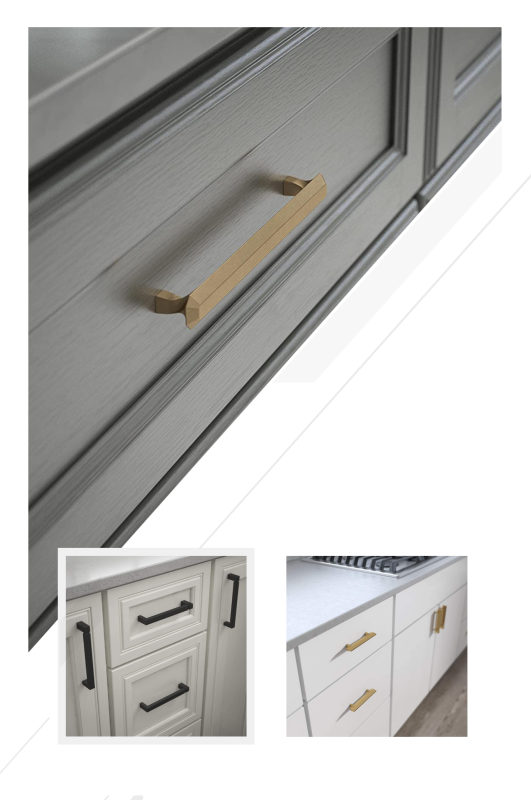
Maintenance is not only about major components. It is also about the daily details. When trim is installed cleanly and cabinets are level, they tend to stay aligned longer. When flooring transitions are planned and installed correctly, they resist premature wear. When plumbing lines are routed with intention, access for future service is often better. These are unglamorous details, but they strongly influence long term ownership satisfaction.
Energy Performance That Stays Valuable as Standards Rise
In California, energy efficiency is not a niche preference. It is a major driver of long term value. As energy costs shift and performance expectations rise, homes that operate efficiently tend to retain stronger appeal. Factory built homes often integrate energy systems and envelope assemblies in a coordinated way because planning happens earlier and sequencing is controlled.
When the building envelope is executed well, the home holds temperature more effectively. That can translate into smaller heating and cooling loads and a more comfortable interior. Efficient systems feel better to live with. Rooms are less prone to hot and cold swings. Noise from mechanical equipment can be reduced with thoughtful placement and specification. These benefits support resale appeal and rental demand.
Operating Costs and Tenant Expectations
Energy efficiency also protects long term flexibility. Homeowners planning solar or battery systems benefit from a home that starts with a strong baseline. Investors benefit when a property can compete on operating costs. Tenants increasingly ask about monthly bills, not just monthly rent. A home that costs less to operate can remain competitive even when market conditions change.
A strong efficiency baseline can also support future upgrades. When a home is planned with cohesive systems, improvements like additional insulation, better ventilation strategies, or smarter controls can be added without creating conflicts between trades or forcing costly rework. A home that upgrades cleanly tends to stay valuable longer.
In areas like San Jose, Silicon Valley, the Bay Area, Los Angeles County, Orange County, and San Diego County, buyers often weigh lifestyle and operating costs together. A home that feels comfortable while remaining efficient can maintain demand even as interest rates, utility pricing, and market momentum shift.
Cost Predictability That Preserves Equity
Equity is not only built through appreciation. Equity is also protected by avoiding preventable cost overruns. Factory built homes often deliver stronger cost predictability because the scope of the structure is defined earlier. Plans, structural systems, and finish packages are typically finalized before production begins. That early clarity reduces the likelihood of expensive mid project changes.
Traditional site built projects can be vulnerable to changes that happen after framing, after rough mechanical work, or after materials are already ordered. Each change can introduce time loss, rework, and change orders. Even when changes are minor, they can stack up and consume the financial cushion that would have become equity. Predictability matters because it allows homeowners and investors to reserve their contingency for true surprises rather than routine drift.
Factory built construction still requires careful planning for site work, permitting, and utilities. Those elements can vary by property. However, when the structure cost is defined more clearly, owners can plan financing, cash flow, and contingency in a smarter way. That planning discipline supports long term outcomes, especially in California markets where mistakes can be costly.
Faster Completion Strengthens Financial Outcomes
Time is a financial variable. A project that takes longer often costs more, even if materials are similar. Extended timelines can increase labor expenses, financing costs, and temporary housing costs. They can also delay rental income or delay the ability to move into a home that replaces rent or other housing expenses.
Factory built homes frequently benefit from parallel workflows. While the home is produced in the factory, site preparation can proceed. Foundations, utility trenches, and access improvements can be coordinated so the site is ready when the home arrives. This overlap can reduce the total project timeline and create a more predictable sequence from start to finish.
For investors, timeline predictability affects return. Earlier occupancy means earlier income. It also reduces the window in which capital is tied up without producing returns. For homeowners, faster completion can reduce stress and help life move forward, whether the goal is multigenerational housing, replacing an older home, or stabilizing living expenses.
Rental Stability and Tenant Appeal
Long term value for investors depends on consistent occupancy and controllable operating expenses. Factory built homes can perform well as rentals because they are often designed with efficient layouts, modern systems, and cohesive finishes that appeal to a broad range of tenants. When a home feels bright, quiet, and thoughtfully planned, it tends to lease faster and retain tenants longer.
Tenant satisfaction is often shaped by comfort. Sound control, stable indoor temperatures, and practical storage make daily life easier. These factors reduce churn. Turnover is expensive even when rents are strong because vacancy time, cleaning, repairs, marketing, and leasing costs add up quickly.
Maintenance Predictability Supports Net Income
From a management perspective, predictable systems and durable finishes matter. Investors often prefer properties that are easy to maintain and simple to service. A home with consistent materials, clear mechanical access, and durable components can reduce maintenance surprises and help protect cash flow year after year.
Long term investors also care about reputational value. A well performing property is easier to manage, generates fewer complaints, and supports better relationships with tenants. Those intangible advantages show up as fewer emergency calls, more stable leasing, and cleaner long term financials.
Adaptability Across Life Stages and Market Cycles
A home is valuable when it can adapt. Many California households experience changing needs over time. A property might start as a primary residence, later become partially rented, and eventually support family members as they age. Investors also navigate market cycles. A property that can shift between long term rental, mid term rental, or personal use can remain valuable even when conditions change.
Factory built homes can support adaptability when design emphasizes flexible layouts and practical circulation. Spaces that accommodate different furniture arrangements, work from home routines, or future accessibility improvements can remain relevant longer. A thoughtful floor plan protects value by reducing the need for expensive remodels simply to keep the home functional.
Adaptability includes the ability to improve the home over time. Upgrading appliances, adding energy systems, or improving outdoor areas is easier when the underlying home is sound. Long term value is not static. It is often enhanced through steady improvement. A home that starts with good fundamentals is easier to improve and easier to keep competitive.
Resilience as a Long Term Value Multiplier
Resilience has become a major value factor in California. Owners care about how a home performs under stress, whether that stress is heat, wind, heavy rain, or regional code requirements. Factory built construction can support resilience through consistent execution and coordinated assemblies.
Resilience is not a single feature. It is the combination of many decisions. It includes how the structure is engineered, how the envelope is sealed, how components are attached, and how systems are installed. Homes built with disciplined processes tend to have fewer weak points, which can mean fewer future repairs and stronger long term confidence.
Comfort and Confidence Influence Demand
Resilience also affects buyer perception. Even when insurance and market conditions are complex, people value homes that feel durable and thoughtfully built. Emotional value matters because it influences buyer demand, tenant retention, and owner satisfaction. A home that feels solid, quiet, and comfortable can stand out in competitive markets.
Resale Confidence in Modern California Markets
Resale value depends on perception as well as performance. Factory built homes have gained credibility as more people recognize that the method can deliver high quality permanent housing. Buyers increasingly focus on livability, energy performance, and maintenance expectations. They also recognize that a predictable build process and a well finished home can reduce ownership stress.
In competitive markets, buyers compare homes on feel, not just square footage. Homes that feel quiet, solid, and cohesive tend to stand out. When finishes are consistent and details are crisp, buyers sense care. That sense of care can translate into stronger offers and fewer concessions during inspections.
For investors who plan to hold and eventually sell, resale confidence matters. A property that stays modern, efficient, and well maintained is easier to sell and can command better pricing. Long term value is often a story, and factory built homes can offer a compelling story when design, engineering, and installation are executed with discipline.
A Stable Path for Long Term Ownership
Ultimately, long term value is about stability. Homeowners want fewer surprises and more confidence in the home they live in. Investors want consistent returns and manageable risk. Factory built homes can support both by reducing uncertainty in construction, improving consistency in execution, and supporting durability over time.
This approach is not about rushing. It is about investing in a calmer build process that tends to produce consistent results. When the process is organized, outcomes are easier to predict. When outcomes are predictable, financial decisions are stronger. When financial decisions are stronger, long term value improves.
For California homeowners and investors who care about performance over decades, factory built construction can be a strategic choice. It supports durability, efficiency, comfort, and predictability, which are the qualities that tend to matter most long after a project is finished.
About Joy Line Homes
Joy Line Homes helps California homeowners and investors evaluate factory-built and modular construction with clear scope, thoughtful design, and long-term value in mind.
Visit AduraAdu.com to explore factory-built home options and planning resources.
Let's Get Started
Please Select the form that applies to you by selecting the appropriate tab above.
We are based in Santa Clara County ,
California
Tel: (831) 888-Home
Email: info@joylinehomes.com
Business Hours: 9am - 6pm