Modular and Factory-Built Homes for Fire Rebuild Speed
By Joy Line Homes
After a wildfire, time becomes one of the most valuable resources a homeowner has. Every month spent waiting to rebuild often means additional temporary housing costs, prolonged disruption to daily life, and continued uncertainty. In California, where wildfire events can affect entire regions at once, rebuild timelines are often extended by labor shortages, permitting backlogs, and supply chain delays. This is why modular and factory-built homes have become increasingly attractive options for fire rebuilds focused on speed.
Modular and factory-built construction approaches change the rebuild equation by shifting much of the work away from the fire-damaged site. Instead of waiting for on-site framing crews, materials deliveries, and favorable weather, large portions of the home are built in controlled environments. This parallel process allows site preparation and home construction to happen at the same time, which can significantly shorten the overall rebuild schedule.
This article explains how modular and factory-built homes support faster fire rebuilds in California, what makes them different from traditional site-built construction, and how homeowners can evaluate whether speed-focused construction is the right fit for their property, budget, and long-term goals.
Why Speed Matters After a Fire
Speed is not just about convenience. After a wildfire, delays can carry real financial and emotional costs. Insurance coverage for additional living expenses is often time-limited. Once those benefits run out, homeowners may be paying out of pocket for rent, hotels, or temporary housing. Each additional month before move-in increases the total recovery cost.
Extended rebuild timelines also increase decision fatigue. When a project drags on, homeowners are forced to make design, budget, and scheduling decisions over long periods of stress. Faster rebuild paths reduce this burden and help families regain stability sooner.
In regions where multiple properties are rebuilding at once, speed can also mean access. Contractors, inspectors, and utility providers become stretched thin. Homes that can move through the process efficiently often avoid the compounding delays that affect slower, more complex builds.
How Modular and Factory-Built Construction Works
Modular and factory-built homes are constructed off-site in sections or complete units. These homes are built to meet the same building codes as site-built homes, but they are assembled in indoor facilities where conditions are controlled. Once the modules or units are complete, they are transported to the site and installed on a prepared foundation.
The key advantage is that construction does not stop for rain, wind, or regional labor shortages. Work continues in the factory while site work such as foundations, utility trenching, and grading happens simultaneously. When both tracks are coordinated well, the home can be installed soon after the site is ready.
Parallel Scheduling vs Sequential Building
Traditional site-built homes follow a largely sequential process. The foundation must be complete before framing begins. Framing must be complete before roofing, mechanical rough-ins, and inspections proceed. Any delay at one stage can ripple through the entire schedule.
With modular and factory-built homes, the factory schedule and the site schedule run in parallel. This overlap is one of the biggest contributors to faster rebuild timelines.
Factory-Built Homes and Predictable Timelines
Factory-built homes are particularly valuable for fire rebuilds because they offer more predictable production schedules. Once a home design is selected and a production slot is confirmed, homeowners can often receive a clearer estimate of when the home will be completed.
Predictability helps with planning inspections, utility connections, and installation logistics. It also allows homeowners to coordinate insurance draws and financing more efficiently, reducing cash flow strain during recovery.
In contrast, site-built projects are often vulnerable to crew availability and material shortages that can change week to week. Factory environments reduce this exposure.
Modular Homes and Design Flexibility
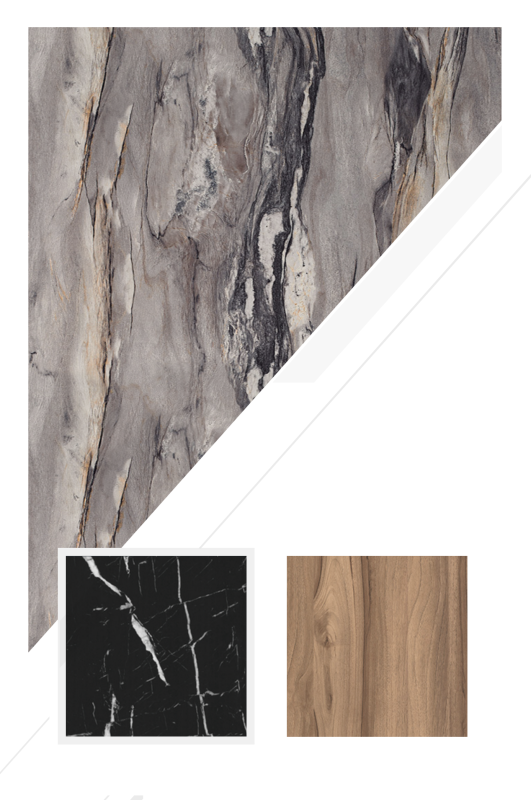
One concern homeowners sometimes have is whether modular construction limits design choice. In practice, many modular systems offer a wide range of layouts, finishes, and configurations. While extreme customization can reduce speed advantages, thoughtful modular design can balance personalization with efficiency.
For fire rebuilds, simpler and more efficient designs often perform best. Compact footprints, straightforward rooflines, and standardized assemblies reduce both construction time and future fire exposure.
Speed Advantages During Post-Fire Labor Shortages
After major wildfires, local labor markets often tighten quickly. Skilled trades are in high demand, and scheduling becomes unpredictable. Modular and factory-built homes reduce dependence on local framing crews because much of the labor is centralized in the factory.
On-site work is still required, but it is often shorter in duration and more focused. This can make it easier to secure contractors for foundations, utility connections, and final tie-ins.
While speed is a major advantage, modular and factory-built homes must still be planned carefully to achieve the best outcomes. Site coordination, permitting, and utility planning remain critical.
Permitting and Inspections for Faster Rebuilds
Modular and factory-built homes still require local permits and inspections. However, because many components are standardized and pre-engineered, plan review can be more straightforward in some jurisdictions. Early communication with the building department helps confirm expectations and avoid surprises.
Inspections often occur both at the factory and on site. This dual inspection process can improve quality while keeping the project moving.
Utilities and Site Preparation
Even the fastest home cannot be occupied without utilities. Electrical service, water, sewer, and gas connections often determine the true move-in date. For fire rebuilds, utility infrastructure may be damaged or require upgrades.
Speed-focused rebuilds plan utility coordination early. Confirming service capacity, meter requirements, and trenching routes before the home arrives prevents last-minute delays.
Fire-Resilient Detailing in Modular and Factory Homes
Speed does not have to come at the expense of safety. Modular and factory-built homes can incorporate fire-resistant materials such as Class A roofing, ignition-resistant siding, ember-resistant vents, and enclosed eaves.
Because construction occurs in a controlled environment, these details can be installed consistently, reducing the risk of missed or poorly executed fire-hardening measures.
Using Modular Homes with ADUs for Phased Rebuilds
Some homeowners combine modular homes with ADU strategies to regain housing even faster. An ADU may be installed first to provide temporary housing, followed by a modular primary home. This phased approach spreads decision-making and allows families to remain on their property throughout recovery.
Phased rebuilds require careful site planning to ensure access, utilities, and long-term layout work together.
Long-Term Value Beyond Speed
While speed is the initial driver, modular and factory-built homes also offer long-term value. Controlled construction can improve quality consistency, energy performance, and durability. These factors support long-term livability and resale value.
Homes rebuilt quickly but thoughtfully allow families to move forward sooner without sacrificing performance or comfort.
Conclusion
Modular and factory-built homes offer one of the fastest paths to housing recovery after a wildfire in California. By shifting construction off-site, running schedules in parallel, and reducing exposure to labor shortages and weather delays, these approaches can dramatically shorten rebuild timelines.
When combined with early permitting, utility coordination, and fire-resilient detailing, modular and factory-built homes provide a powerful solution for homeowners who need to rebuild quickly without compromising safety or long-term value.
About Joy Line Homes
Joy Line Homes helps California homeowners rebuild faster using modular and factory-built housing strategies designed for speed, safety, and long-term value.
Let's Get Started
Please Select the form that applies to you by selecting the appropriate tab above.
We are based in Santa Clara County ,
California
Tel: (831) 888-Home
Email: info@joylinehomes.com
Business Hours: 9am - 6pm