ADUs as Rental Housing Versus Family Housing: Designing for Both
By Joy Line Homes
Accessory dwelling units have become one of the most flexible housing tools in California. Some homeowners build an ADU to create rental income and increase property value. Others build an ADU to keep family close, support aging parents, or give adult children a private place to live while staying connected. Many homeowners, however, want both options. They want an ADU that works as a rental today and can easily transition to family housing later, or the reverse.
This dual-purpose goal is more realistic than it sounds, but it requires thoughtful planning. Rental housing and family housing share many needs, including comfort, privacy, and reliable systems. The differences show up in details like storage strategy, durability, accessibility, and how you define boundaries between households. Designing for both means thinking beyond the first occupant and building a space that adapts without major renovations.
A well-designed ADU should feel like a real home whether it is occupied by a tenant, a parent, a young adult, or a long-term guest. It should support daily routines, maintain privacy, and remain low maintenance for the homeowner. It should also preserve the character and function of the primary property, including outdoor space, circulation, and sound separation.
In this article, we look at the key differences between rental-focused ADUs and family-focused ADUs, and the design choices that allow one unit to serve both purposes over time. The goal is not to build a generic space. The goal is to build an ADU that feels intentional, performs well, and stays useful as needs change.
Start With the Shared Priorities
Rental housing and family housing may have different emotional contexts, but the foundation of a good ADU is the same. It should have a clear layout, adequate daylight, good ventilation, and durable finishes. It should include a functional kitchen, a comfortable bathroom, and enough storage to keep daily life organized.
When these essentials are handled well, the unit will work for nearly any occupant. Problems happen when an ADU is designed around a narrow assumption, such as a short-term tenant who will not cook much, or a family member who will not mind limited privacy. Assumptions like these often lead to regrets later.
Designing for both means choosing a layout that feels complete. Even a small ADU can support real-life routines when circulation is clean, furniture fits, and the space is balanced. Long-term flexibility often comes from getting the basics right rather than adding more features.
A Home That Feels Complete in Daily Use
People stay longer in spaces that feel comfortable and predictable. A tenant is more likely to renew a lease when the home is quiet, bright, and functional. A family member is more likely to feel respected when the home offers privacy and independence. The goal is a space that supports dignity, not a space that feels secondary.
This is why decisions like window placement, storage planning, and sound control matter as much as finishes. They shape the daily experience for any occupant.
Layout Choices That Work for Both Rental and Family Use
The most flexible layouts are those that define zones clearly. Sleeping, living, and kitchen areas can be open, but they should not feel scrambled. A bedroom that can be closed off is often more valuable than a fully open studio, especially if the unit might house family at some point. Privacy is easier to maintain when the sleeping area is not directly facing the main entry or the kitchen.
For rentals, clear zoning supports furniture placement and a more stable tenant experience. For family living, it supports boundaries that keep relationships healthier. Even when family members live nearby, they still need personal space.
Another layout consideration is how the ADU connects to the outside. A small patio or defined outdoor area can serve both types of occupants. For renters, it adds livable space and improves market appeal. For family, it creates breathing room and a sense of home that extends beyond the walls.
Privacy Is Not Optional
Privacy is one of the most important design elements when an ADU might serve both rentals and family. Tenants will expect privacy, and family members will need it to maintain independence. Privacy starts with entry orientation, window placement, and outdoor space planning, not only with interior walls.
A separate entrance that does not require walking through the primary home’s private areas supports independence. When possible, orient entry paths so both households can come and go without feeling like they are crossing into each other’s daily routines.
Window placement is equally important. Clerestory windows, frosted glazing in select locations, and careful sightline planning can bring in light while protecting privacy between households. If the ADU is close to a neighbor’s fence, window choices should also reduce unwanted views while keeping the interior bright and comfortable.
Sound Separation That Protects Both Households
Sound is one of the quickest ways an ADU can feel stressful. For rentals, sound transfer can lead to complaints, turnover, and reduced income stability. For family, sound issues can create friction and reduce the sense of independence the ADU is meant to provide.
Sound separation starts with construction assemblies. Insulation, resilient channels, quality windows, and careful sealing around penetrations make a noticeable difference. For attached or garage-conversion ADUs, sound detailing is especially important. Investing in sound control early reduces long-term headaches.
Kitchens and Bathrooms for Real Life
A rental ADU and a family ADU both need a real kitchen and a real bathroom. Even when the unit is small, occupants will cook, store food, and host occasional guests. A kitchen that feels like an afterthought may work for short stays, but it will limit rental value and reduce comfort for family use.
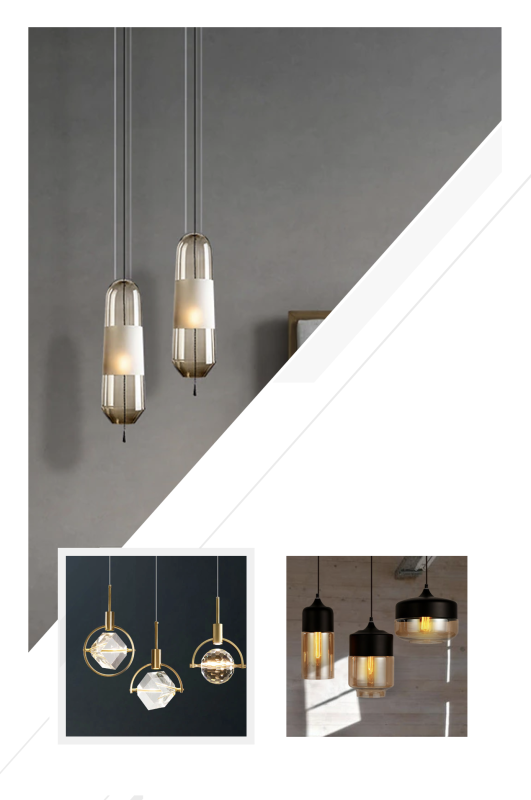
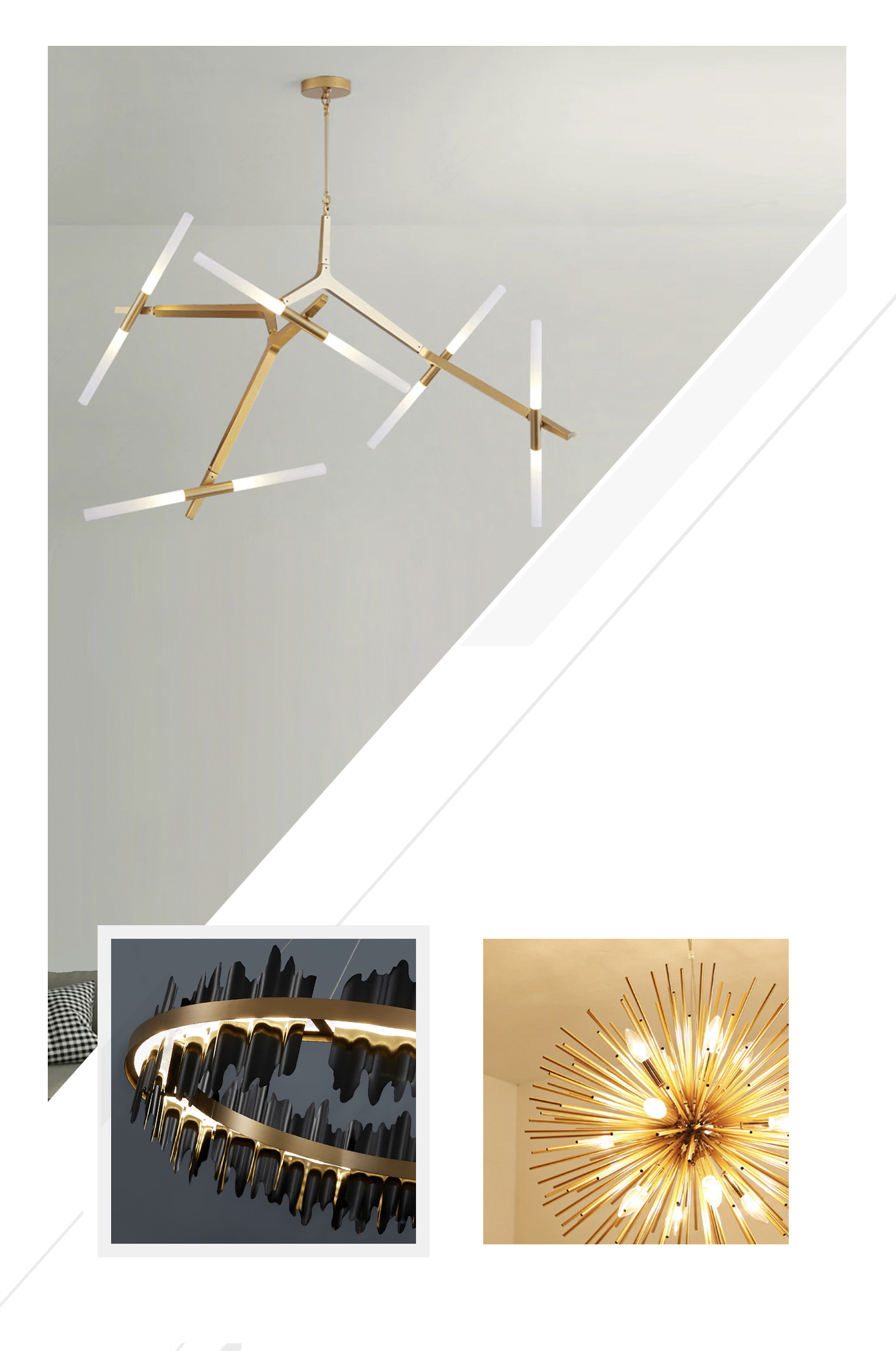
Designing for both means planning a kitchen with clear work zones, durable counters, adequate lighting, and storage that does not depend on temporary furniture. Full-height cabinetry and a functional layout can make a small kitchen feel permanent. Ventilation also matters, because cooking smells and moisture are part of daily life.
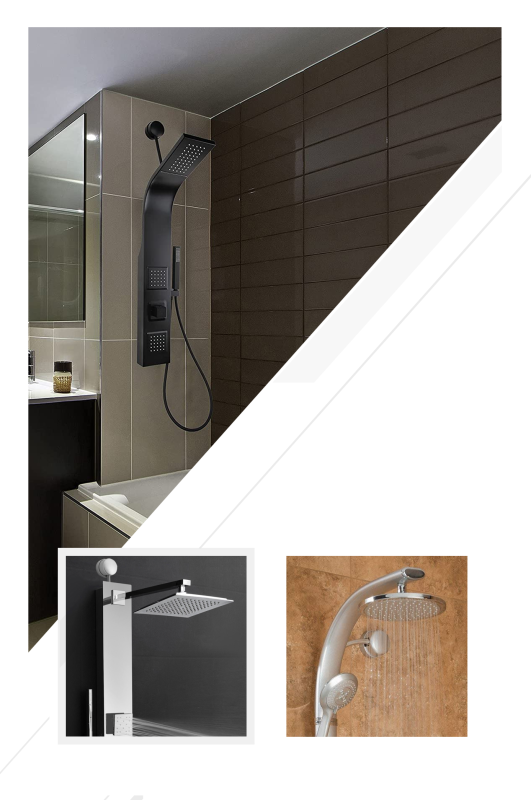
Bathrooms should feel comfortable for everyday use. Walk-in showers, good lighting, and quality ventilation improve long-term performance. If the ADU may house an aging parent, consider a layout that can support safer movement, such as a wider shower entry or blocking in walls for future grab bars.
Durability Versus Warmth: Choosing Finishes Wisely
Rental units often prioritize durability. Family units often prioritize warmth and comfort. The good news is that you can accomplish both with the right material choices. Durable does not need to feel cold, and cozy does not need to be fragile.
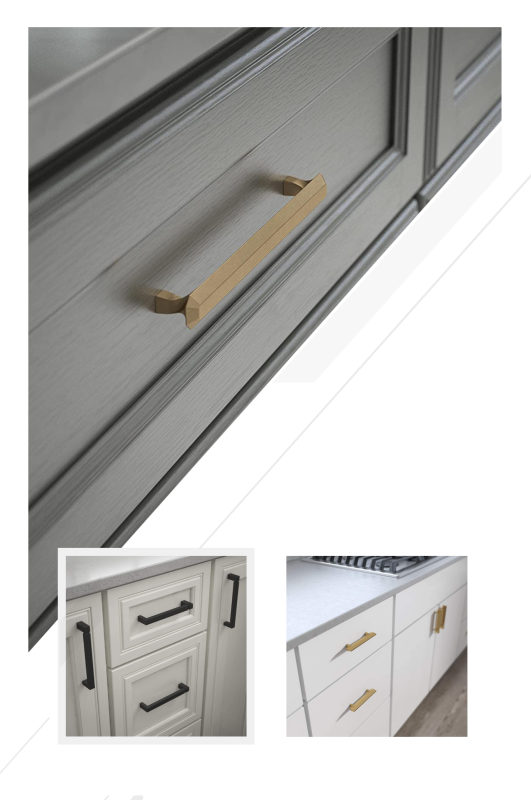
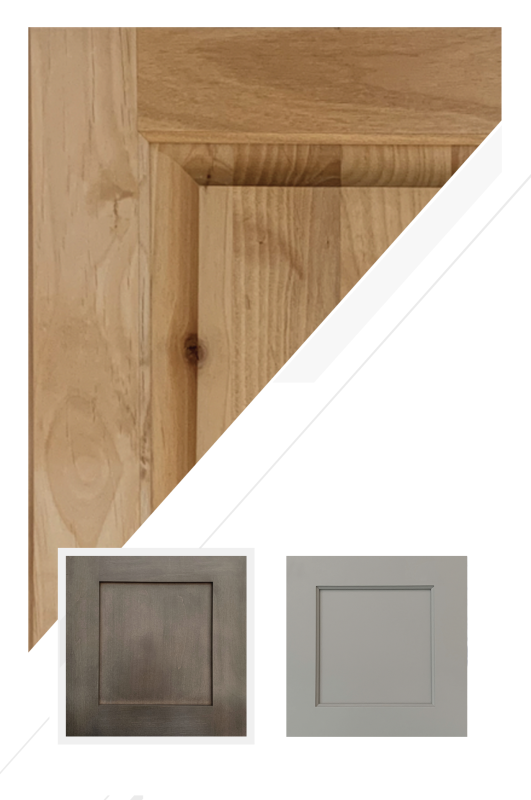
For floors, consider surfaces that handle wear without looking tired quickly. For walls and trim, choose finishes that are easy to clean and touch up. For cabinetry and hardware, choose components that feel solid and reliable. These choices support rentals by reducing maintenance, and they support family housing by keeping the home feeling well cared for.
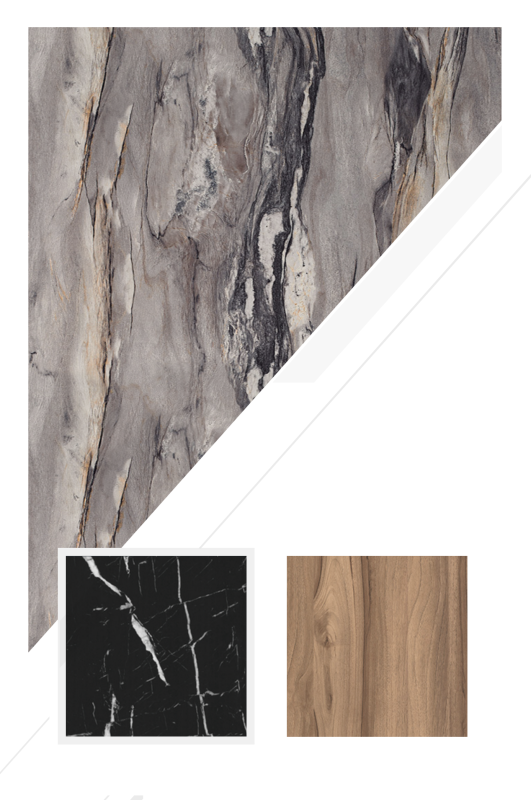
It also helps to select a timeless finish palette. Trend-driven choices can look dated faster, especially in smaller spaces where every surface is visible. Neutral, warm tones paired with strong lighting tend to age well and remain appealing to renters and family members alike.
Storage Strategy Makes the Difference
Storage is one of the main reasons ADUs feel cramped. Renters want storage for daily items and seasonal gear. Family members often need storage for longer-term living, including medical supplies, extra clothing, or personal items that make a space feel like home.
Designing for both means treating storage as part of the architecture. Built-in closets, pantry storage, and thoughtful bathroom cabinetry reduce clutter. Under-bed storage or built-in bench seating can add function without consuming floor area. The goal is a calm interior that stays organized without relying on bulky furniture.
Storage planning also supports rental success. A tenant who can stay organized is more likely to treat the space well and remain long-term. For family, storage supports comfort because the unit can hold what people need without feeling crowded.
Accessibility and Aging Considerations
Even if the initial plan is to rent the ADU, designing for basic accessibility can protect long-term flexibility. A unit that can support aging in place is also easier for anyone to use, including guests, parents, or a tenant with mobility needs.
Simple choices can make a difference. A no-step entry, slightly wider doorways, clear paths within the unit, and a bathroom layout that feels open all contribute to long-term usability. Blocking for future grab bars, a shower that can be modified, and reachable controls also support future needs without requiring immediate changes.
Accessibility is not only about aging. It is about creating a home that remains useful through life changes. When the ADU can adapt, it becomes a stronger long-term asset.
Utilities, Metering, and Practical Operations
Operational decisions can affect whether an ADU works well as a rental and as family housing. Utility planning influences monthly costs, privacy, and management. Some homeowners prefer separate metering for rentals, while family situations may use shared utilities. Designing with flexibility can help, such as planning electrical capacity and panel space that allows future changes.
Efficient systems matter regardless of use. A reliable water heater, balanced ventilation, and right-sized heating and cooling keep operating costs predictable and reduce maintenance. Tenants value comfort and stable utility bills. Family members value reliability and convenience.
Good utility planning also reduces conflict. When systems are quiet, efficient, and easy to service, the ADU feels more independent and less like an extension that requires constant attention.
Outdoor Space and Property Flow
Backyard planning is often where rental and family needs intersect. A renter may want a private outdoor corner. A family member may want a small garden space or a place to sit. Meanwhile, the primary home still needs functional outdoor space too.
Designing for both means defining outdoor areas clearly. Low fencing, planting, or subtle grade changes can create separation without making the property feel divided. Thoughtful lighting and pathways help both households move safely and comfortably, especially at night.
A strong site plan protects neighborhood feel as well. When the ADU is integrated thoughtfully, it feels like part of the property rather than a crowded add-on.
Rental Market Considerations Without Overbuilding
Some homeowners overbuild an ADU for the rental market, assuming that more features always produce higher rent. In reality, renters usually value comfort, privacy, storage, and reliable systems more than flashy upgrades. Over-customization can increase maintenance and reduce flexibility for future family use.
Instead, focus on quality fundamentals. Solid doors, good lighting, sound control, and durable finishes tend to attract long-term tenants. These same choices also make the unit feel respectful and comfortable for family members.
A balanced approach usually performs best. It keeps the ADU attractive to renters while remaining adaptable for changing family needs.
Family Housing Needs: Comfort, Care, and Boundaries
When the ADU is built for family, emotional factors matter more. The space needs to feel like a home, not like a spare room. Privacy, dignity, and independence are central goals. This is especially true for aging parents, adult children, or family members going through a life transition.
Designing for family does not mean compromising rental value. In many cases, what supports family comfort also supports rental success. The difference is that family use may require more storage, better accessibility, and stronger boundaries in outdoor areas.
When these needs are built into the plan, the unit can shift between tenant and family use without major changes.
Why Factory-Built ADUs Can Make Dual-Use Easier
Factory-built and modular ADUs often work well for dual-use goals because design decisions are coordinated early. Layout, systems, and finishes are planned together, which can improve overall cohesion and reduce construction variability. This can support better sound control, tighter building envelopes, and consistent finish quality, all of which matter for both rental and family comfort.
Predictability also helps homeowners plan for long-term value. When performance and quality are consistent, the unit is easier to maintain, and it is easier to keep appealing for any type of occupant.
Whether an ADU is site-built or factory-built, the key is aligning construction quality with long-term flexibility. The most successful dual-use ADUs are those that feel complete and durable from day one.
Final Takeaway
Designing an ADU for rental housing versus family housing is not an either-or choice. With the right planning, one unit can serve both purposes over time. The foundation is a layout that feels residential, privacy that protects both households, durable finishes that reduce maintenance, and storage that keeps daily life organized.
When accessibility and operational planning are considered early, the ADU becomes more adaptable and more valuable. It can support rental income today and provide family housing tomorrow, or it can offer family support now and transition to rental use later without major renovation.
The best dual-purpose ADUs are designed around real life. They respect independence, support comfort, and remain flexible as needs shift. That is what turns a small home into a long-term housing solution.
About Joy Line Homes
Joy Line Homes helps California homeowners design ADUs and factory-built housing that prioritize comfort, livability, and long-term value.
Visit AduraAdu.com to explore ADU planning resources.
Let's Get Started
Please Select the form that applies to you by selecting the appropriate tab above.
We are based in San Jose County ,
California
Tel: (831) 888-Home
Email: info@joylinehomes.com
Business Hours: 9am - 6pm