Why Simplicity Is the New Luxury in Residential Design
By Joy Line Homes
Luxury in residential design has undergone a fundamental shift. For many years, luxury was associated with excess. Larger homes, layered ornamentation, and an abundance of features were seen as signals of quality and success. Today, homeowners are increasingly redefining what luxury means, and simplicity has moved to the center of that definition.
Simplicity in design is not about austerity or minimal effort. It is about intentional choices. A simple home is one where every element serves a purpose, where spaces feel calm rather than busy, and where the design supports daily life instead of competing with it. In this sense, simplicity becomes a form of refinement.
This shift is especially visible in California, where climate, lifestyle, and housing pressures all reward thoughtful planning. Whether designing a primary residence, an ADU, or a modular home, homeowners are discovering that simplicity delivers comfort, clarity, and long-term value in ways that excess rarely does.
Luxury as an Experience, Not a Display
Modern luxury is increasingly defined by how a home feels to live in rather than how it looks at first glance. A home feels luxurious when it is quiet, comfortable, and intuitive. Circulation makes sense. Storage is where you need it. Light moves naturally through the space.
Simplicity allows these qualities to emerge. When a home is not overloaded with competing finishes or complicated forms, the experience becomes clearer. Residents notice how materials feel underfoot, how rooms transition from one to another, and how the home supports both activity and rest.
This experience-driven approach is particularly important for homeowners who value wellness and longevity. A simple home reduces visual and mental clutter, creating an environment that feels grounding rather than overwhelming.
Clarity Creates Comfort
Homes that are visually and spatially clear tend to feel more comfortable. When you can understand a space quickly, it becomes easier to relax within it. Simple layouts reduce decision fatigue and make everyday routines more efficient.
This clarity also supports adaptability. As households change, homes with straightforward layouts are easier to adjust without major renovation.
Architectural Restraint as a Design Strategy
Architectural restraint is a key driver of simplicity as luxury. It involves making disciplined decisions about form, proportion, and materials. Rather than layering multiple styles or features, restrained design focuses on coherence.
This does not mean eliminating character. It means choosing where character matters most. A restrained home might emphasize a strong relationship to light, a carefully framed view, or a consistent material palette that carries through the entire space.
In high-quality residential design, restraint often results in homes that feel more confident. The architecture does not need to explain itself. It simply works.
Layouts That Reduce Friction
One of the most noticeable benefits of simplicity is how a home functions day to day. Simple layouts reduce friction. Circulation paths are clear. Rooms relate logically to one another. There is less wasted space and fewer awkward transitions.
In California homes, open plans are common, but openness alone does not guarantee comfort. Simplicity ensures that open spaces still have structure. Subtle zoning through furniture placement, ceiling height changes, or material transitions helps spaces feel organized without closing them off.
Open Plans With Intent
The most successful open plans are not undefined. They provide visual connection while still supporting privacy and function. Kitchens feel connected to living areas without dominating them. Dining areas feel purposeful rather than leftover.
This intentionality is what separates simple luxury from generic openness.
Material Honesty and Longevity
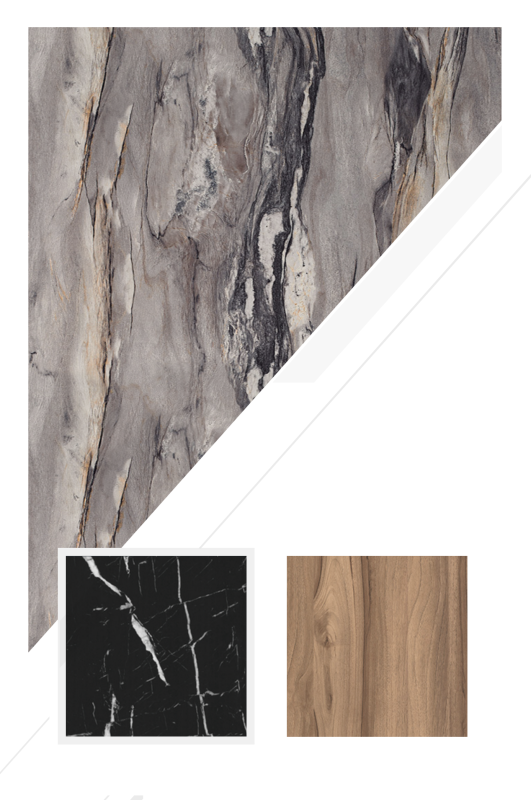
Simplicity elevates material quality. When fewer materials are used, their performance and longevity matter more. Durable surfaces, natural textures, and finishes that age gracefully contribute to a sense of quiet luxury.
Material honesty also supports sustainability. Homes built with materials chosen for durability tend to require less maintenance and fewer replacements over time. This aligns with the long-term mindset many homeowners now bring to residential projects.
In modular and factory-built homes, restrained material palettes also support consistency and quality control, ensuring that what is designed is what gets built.
Light as a Luxury Element
Natural light is one of the most powerful yet understated luxuries in residential design. Simple architecture allows light to define space. Strategic window placement, consistent ceiling planes, and thoughtful orientation help daylight move through the home.
Rather than relying on dramatic forms, simple homes use light to create depth, warmth, and visual interest. This approach supports comfort while reducing reliance on artificial lighting.
Storage That Preserves Calm
Clutter is one of the fastest ways a home can lose its sense of luxury. Simplicity addresses this through integrated storage. When storage is planned as part of the architecture, everyday items have a place, and the home remains visually calm.
Built-in cabinetry, closets that actually function, and concealed storage solutions allow residents to live fully in the space without constant organization effort.
Privacy Without Isolation
Simplicity also supports privacy. Clear zoning between public and private areas helps residents feel protected without feeling cut off. Bedrooms feel like retreats. Bathrooms feel comfortable and dignified.
In denser California neighborhoods and in homes with ADUs or multigenerational layouts, privacy becomes even more important. Simple design strategies often outperform complex solutions.
Quiet as a Marker of Quality
Acoustic comfort is a subtle but powerful indicator of luxury. Simpler forms, consistent assemblies, and thoughtful insulation strategies reduce noise and create a more peaceful environment.
Simplicity and Modular Construction
Modular and factory-built homes align naturally with simplicity. These approaches encourage early decision-making and coordination, which supports clean layouts and consistent detailing.
Because many variables are resolved upfront, modular homes often deliver a higher level of finish consistency. This predictability enhances the feeling of quality and trust in the process.
Avoiding Trend Dependency
Trend-driven design can quickly date a home. Simplicity offers protection against this risk. Homes grounded in proportion, light, and material quality tend to remain relevant as styles evolve.
This timelessness is increasingly valued by homeowners who see their home as a long-term investment rather than a short-term statement.
Simplicity in Small Homes and ADUs
In smaller homes and ADUs, simplicity is not optional. It is essential. Efficient layouts, restrained material choices, and integrated storage allow compact spaces to feel complete rather than constrained.
These principles also support affordability and predictability, which are critical factors in California housing projects.
Conclusion
Simplicity has become the new luxury in residential design because it supports how people actually live. Calm spaces, intuitive layouts, durable materials, and thoughtful privacy create homes that feel comfortable and enduring.
Whether in a custom residence, a modular home, or an ADU, simplicity allows quality to speak clearly. The result is a home that feels refined through intention rather than excess, and one that continues to serve its occupants well over time.
About Joy Line Homes
Joy Line Homes designs modern, factory-built, and modular housing that prioritize simplicity, comfort, and long-term value.
Visit AduraAdu.com to explore planning resources.
Let's Get Started
Please Select the form that applies to you by selecting the appropriate tab above.
We are based in San Jose County ,
California
Tel: (831) 888-Home
Email: info@joylinehomes.com
Business Hours: 9am - 6pm