How Design Decisions Influence Maintenance and Insurance
By Joy Line Homes
Most homeowners think of design as a visual choice. They picture finishes, layouts, and curb appeal. But design is also a long-term operating plan. Every decision about a roofline, window type, exterior material, or drainage path becomes a maintenance commitment. The home either stays calm and predictable, or it slowly becomes a list of tasks that never ends.
Insurance is now tied to that same reality. Carriers care about risk, loss history, and what a home is made of. In many parts of California, underwriting decisions are influenced by wildfire exposure, wind, heat, and the growing cost of repairs. A home that is easier to maintain and less likely to experience damage is also a home that aligns better with insurance expectations over time.
This does not mean every home needs to look the same. It means smart design anticipates what happens after move-in. Water will try to get in. Sun will degrade materials. Wind will test roof edges. Seasonal shifts will expand and contract assemblies. The most successful modern homes are not only beautiful on day one. They are designed to hold up through years of real life, and that durability reduces both maintenance stress and the chance of costly claims.
Why Maintenance and Insurance Belong in the Design Conversation
Maintenance is often treated as an afterthought, but it is one of the biggest long-term costs of owning a home. Paint cycles, roof replacement, caulking, gutter cleaning, and HVAC service are predictable. Moisture problems, premature material failure, and repeated repairs are not. The difference is usually determined by design details that are invisible to most people until something goes wrong.
Insurance is also changing. Premiums, deductibles, and coverage terms can shift based on regional risk and rebuilding costs. In higher exposure zones, carriers may ask for specific documentation, defensible space, roof condition, and exterior material choices. Even outside wildfire zones, a home that has frequent water damage or wind-related issues can become more expensive to insure, or more difficult to keep insured without improvements.
The design phase is the best time to control these outcomes. Fixing a vulnerable roof edge after the fact is harder than designing it correctly from the beginning. Replacing poorly performing windows is expensive compared to selecting the right glazing and detailing the openings properly during construction.
The Exterior Envelope Drives Most Long-Term Risk
If you want to understand future maintenance and future insurance friction, start with the exterior envelope. That includes the roof, walls, windows, doors, and all the transitions where one surface meets another. Claims often begin where water or wind enters the structure, and maintenance headaches tend to follow the same paths.
A modern look can be low maintenance, but only if it respects water shedding and material limitations. When a home uses clean lines, minimal trim, and strong geometry, the detailing needs to be even more precise. Straightforward shapes can be durable. Complicated intersections, tight corners, and unnecessary penetrations tend to increase maintenance and raise the chance of leaks.
Roof Design: Simple Choices That Prevent Expensive Repairs
Roof design has an outsized impact on ownership. A roof that drains cleanly, has fewer valleys, and limits penetrations will typically be easier to maintain. Valleys, complex intersections, skylight curbs, and multiple roof planes can be done well, but they need careful flashing and regular inspection. When those details are rushed or overcomplicated, small failures can turn into big repairs.
From an insurance perspective, the roof is one of the first items carriers evaluate because it is tied to water intrusion and storm performance. Roof condition also influences the risk of interior damage. A roof that is designed and installed to perform predictably is a practical investment in both maintenance stability and risk reduction.
Water Management Is the Most Important Design System You Cannot See
Water is persistent. It moves downhill, it finds gaps, and it exploits weak points in flashing and sealing. Many homeowners discover water issues long after construction, because damage can develop slowly behind finishes. That is why water management should be treated as a primary design system.
Good water management starts with roof drainage that moves water away from the home. It continues with proper overhangs or protective detailing where exposure is high. It includes thoughtful placement of downspouts, solid site grading, and clear drainage paths. It also includes careful detailing around windows, doors, decks, and any exterior penetrations.
When water management is done well, maintenance becomes simpler. There are fewer mystery stains and fewer recurring repairs. Insurance claims related to water damage are less likely, and the home tends to keep its value because it stays dry and stable.
Windows and Doors: Performance, Wear, and Long-Term Upkeep
Windows and doors shape both comfort and maintenance. Modern homes often feature larger openings, which can be durable and beautiful when the systems are well chosen. But larger openings also concentrate risk at the perimeter if flashing, sealing, and water shedding are not handled correctly.
Maintenance considerations include hardware quality, seal longevity, and how exposed the frames are to sun and moisture. The wrong finish can fade or chalk. The wrong flashing approach can lead to slow leaks. The wrong placement can create privacy issues that force homeowners to add coverings or modify landscaping in ways that reduce airflow and increase moisture.
Insurance is influenced here too. Water intrusion around openings is a common source of damage. A home with well-detailed openings tends to have fewer incidents that lead to claims or costly repairs.
Materials That Age Well Reduce Ownership Stress
Many maintenance costs are simply the cost of material aging. Sun, rain, salt air, and temperature swings affect every exterior surface. The goal is not to eliminate aging. The goal is to choose materials that age gracefully, fail slowly, and are easy to repair when the time comes.
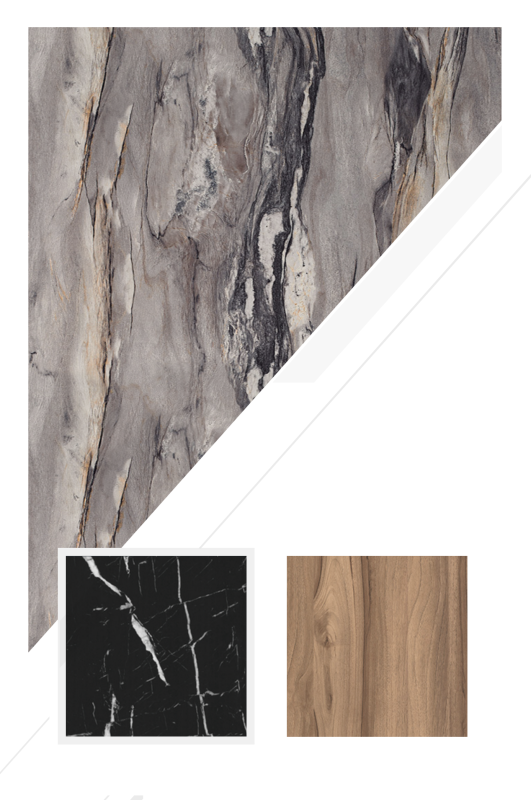
Some materials look great but demand constant attention. Others look refined and stay stable with routine cleaning and periodic inspection. High quality claddings, well-finished trims, durable roofing, and robust sealants reduce repainting cycles and lower the chance of early replacement. Interior materials matter too. Flooring, cabinetry finishes, and countertop selections influence how often homeowners need to refinish or replace surfaces due to wear.
From an insurance perspective, durable materials can reduce loss severity. When exterior surfaces resist damage better, a storm or ember event is less likely to turn into major structural damage. In many regions, the conversation about material choice is increasingly connected to risk and insurability, not just aesthetics.
Designing for Fire and Climate Risk Without Turning the Home Into a Fortress
In California, risk-aware design is becoming standard, especially in higher exposure zones. Fire resilience is not only about one product. It is about a set of decisions that work together. Roof materials, vents, eave detailing, window glazing choices, and how vegetation is managed near the home all influence risk. The same is true for wind and heat. A home that is designed for climate reality is typically easier to insure and easier to maintain.
There is a common misunderstanding that resilient design ruins beauty. In practice, the opposite is often true. When resilience is integrated early, the home stays clean and modern. Details look intentional instead of patched in later. Simple forms, robust assemblies, and thoughtful site planning can support both a refined look and strong performance.
Site Planning and Defensible Space as a Design Feature
Site planning is an underrated part of risk reduction. How water drains across a site, how hardscape connects to structures, and how planting is arranged all influence maintenance and insurance outcomes. A well-planned landscape reduces moisture against the home, avoids debris buildup in critical areas, and makes it easier to maintain defensible space where needed.
It also supports daily livability. When outdoor areas are designed with clear zones, maintenance becomes routine rather than overwhelming. Owners know what to trim, what to clean, and where water should go during heavy rain.
Mechanical Systems: Maintenance Predictability Starts With Design
Mechanical systems do not usually cause insurance problems directly, but they strongly influence maintenance and the likelihood of secondary damage. When systems are poorly located, hard to access, or incorrectly sized, maintenance gets skipped. Skipped maintenance leads to failures, and failures can cause water damage, mold, or electrical issues that become expensive quickly.
Thoughtful design plans for serviceability. Filters should be easy to change. Condensate drainage should be easy to inspect. Shutoff valves should be accessible. Equipment should have proper clearances. These are small choices that reduce long-term friction and keep systems operating as intended.
Ventilation is especially important in modern homes that are well sealed. Controlled fresh air supports stable indoor humidity, which helps protect materials like wood flooring, cabinetry, and drywall. That reduces maintenance issues that can otherwise show up as swelling, cracking, or persistent odors that prompt costly troubleshooting.
Interior Layout Decisions That Reduce Wear and Tear
Layout is not only about how a home feels. It affects how surfaces wear. High traffic areas, tight hallways, awkward door swings, and insufficient storage can increase scuffs, dents, and repeated minor repairs. Over years, that adds up.
Designing with storage in the right places reduces clutter, which reduces damage. Mudroom zones, durable entry flooring, and practical drop spaces help protect finishes. Bathrooms with good ventilation and proper surface selection resist moisture and stay cleaner with less effort. Kitchens that manage steam, grease, and heat well tend to age better, and that reduces the cost of cosmetic refreshes.
These choices also influence how the home is perceived by future buyers and by inspectors. A home that ages well is easier to sell and less likely to need last-minute repairs to close a transaction.
The Claims You Can Prevent With Better Detailing
Many insurance claims stem from a handful of recurring failure points. Water intrusion at roof edges or around openings. Plumbing leaks that go unnoticed. Wind-driven rain entering through vulnerable transitions. Electrical issues caused by moisture or overheated equipment. While not all claims are preventable, many of the most disruptive ones are less likely when the home is detailed for real conditions.
Better detailing usually looks boring in the best way. It means clear drainage planes, thoughtful flashing, robust sealant strategies where needed, and assemblies that do not depend on one fragile line of defense. It also means reducing complexity where complexity does not add value.
When a home is designed to resist common failures, it tends to experience fewer incidents that trigger claims. Even if insurance covers repairs, claims can affect future premiums and create administrative friction. Reducing claim likelihood is a practical long-term benefit.
Design Choices That Can Increase Maintenance and Insurance Friction
Some popular design trends can raise ownership costs if they are not handled carefully. Minimal overhangs can increase wall exposure to rain. Flat roof sections can be durable, but they require excellent drainage and membrane detailing. Hidden gutters can look clean, but they must be accessible for cleaning and they can overflow if debris is trapped.
Large decks and complex indoor outdoor transitions can also increase risk if water management is not excellent. They can be done beautifully, but the details matter. If the assembly traps moisture, repairs can become expensive.
Another common issue is selecting a finish that requires specialized care or constant resealing. Some woods, stones, and specialty coatings demand a level of maintenance that homeowners do not anticipate. When expectations do not match reality, the home can degrade faster than planned.
A Practical Framework for Smarter Decisions
If you want design decisions that support maintenance stability and better insurance alignment, use a simple framework during planning. First, prioritize a strong exterior envelope with clear water shedding. Second, choose materials that are proven in your climate and exposure level. Third, design for access and serviceability so routine care is easy. Fourth, reduce unnecessary complexity at roofs, decks, and transition points. Fifth, consider site planning as part of risk reduction, not a separate landscaping task.
Homeowners do not need to become building scientists to use this approach. They simply need a team that takes long-term performance seriously. When design is guided by durability and real-world conditions, ownership becomes more predictable. Maintenance becomes routine instead of constant. Insurance becomes easier to navigate because the home is designed to reduce loss likelihood and damage severity.
Closing Thoughts
Design is the beginning of the ownership experience, not the end of the construction experience. The choices you make about roof geometry, water management, windows, materials, and service access shape what it feels like to live in the home five and ten years later. In today’s insurance environment, those same choices also influence how aligned the home is with risk expectations, especially in regions where wildfire, wind, and extreme weather are part of life.
When design decisions are made with durability in mind, the home stays quieter operationally. Repairs become less frequent, maintenance becomes more manageable, and the home is more likely to avoid the kinds of failures that trigger major claims. The result is a modern home that does not just look good. It performs well, costs less to keep healthy, and supports a more stable long-term ownership plan.
About Joy Line Homes
Joy Line Homes helps California homeowners plan modern, durable housing that supports comfort, maintainability, and long-term value.
Visit AduraAdu.com to explore planning resources.
Let's Get Started
Please Select the form that applies to you by selecting the appropriate tab above.
We are based in San Jose County ,
California
Tel: (831) 888-Home
Email: info@joylinehomes.com
Business Hours: 9am - 6pm