Designing Homes That Feel Custom Without Custom Risk
By Joy Line Homes
Many homeowners are drawn to the idea of a custom home. Custom design suggests personalization, quality, and a home that reflects how people actually live. At the same time, fully custom construction often brings uncertainty. Budgets expand, timelines stretch, and outcomes can vary depending on countless decisions made along the way.
As housing costs rise and construction complexity increases, more homeowners are looking for a better balance. They want homes that feel custom but avoid the financial and logistical risks associated with traditional custom building. This shift is driving interest in more predictable design and construction approaches that still allow for individuality.
Designing homes that feel custom without custom risk is about combining thoughtful planning with systems that reduce uncertainty. When design decisions are intentional and coordinated early, it is possible to achieve a high level of personalization while maintaining cost control, schedule reliability, and consistent quality.
Why Custom Homes Often Carry Risk
Traditional custom homes are typically built from scratch with minimal standardization. While this allows for maximum freedom, it also introduces risk. Each decision impacts the next, and late changes can cascade into cost increases and delays.
Custom projects often rely heavily on site conditions, trade availability, and sequential decision making. If materials are delayed or a design change requires rework, timelines can shift quickly. These challenges are not always apparent at the start of a project, which makes budgeting difficult for homeowners.
In many cases, the risk is not the design itself but the lack of coordination between design, engineering, and construction. When these elements are not aligned early, uncertainty increases.
The Cost of Late Decisions
Late stage design changes are one of the most common drivers of cost overruns. Moving walls, changing structural elements, or altering mechanical systems after construction begins can significantly impact both budget and schedule.
Homes that feel custom without excessive risk are typically designed with more decisions finalized upfront. This approach limits surprises and supports smoother execution.
The Role of Thoughtful Design Frameworks
Homes that balance customization and predictability often rely on strong design frameworks. These frameworks establish proven layouts, structural systems, and building assemblies that can be adapted without reinventing the entire home.
By starting with a well resolved base design, homeowners can focus on personalizing finishes, layouts, and features that matter most to them. This approach preserves design integrity while allowing flexibility.
Design frameworks also support better collaboration between architects, engineers, and builders. When everyone is working within a shared system, coordination improves and risk decreases.
Layouts That Feel Personal
A home does not need a completely unique floor plan to feel custom. Many of the most successful designs are based on familiar residential patterns that have been refined over time. What makes them feel personal is how spaces are sized, oriented, and connected.
Small adjustments such as reconfiguring a kitchen layout, expanding storage, or shifting window placement can dramatically change how a home functions. These choices are often more impactful than dramatic architectural gestures.
Designing Around Daily Life
Homes that feel custom are designed around how people actually live. This includes how they cook, work, relax, and move through the space. When layouts respond to real routines, the home feels intuitive rather than generic.
Focusing on lifestyle early helps prioritize meaningful customization while avoiding unnecessary complexity.
Material Selection and Perceived Quality
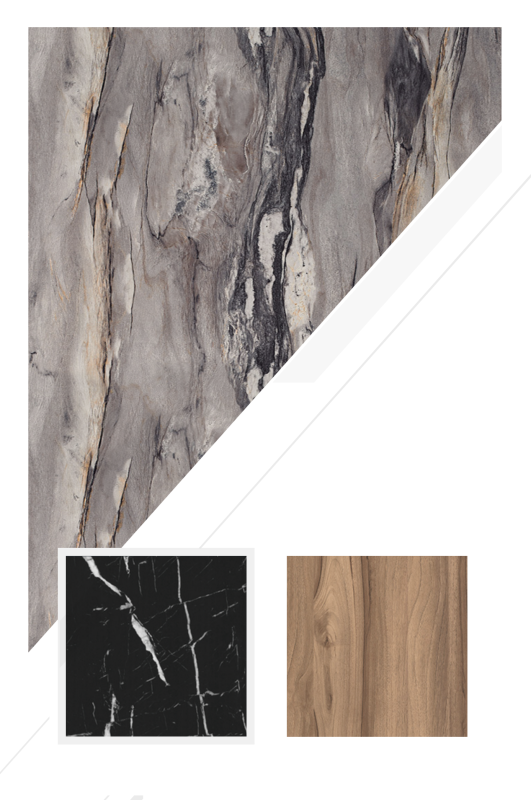
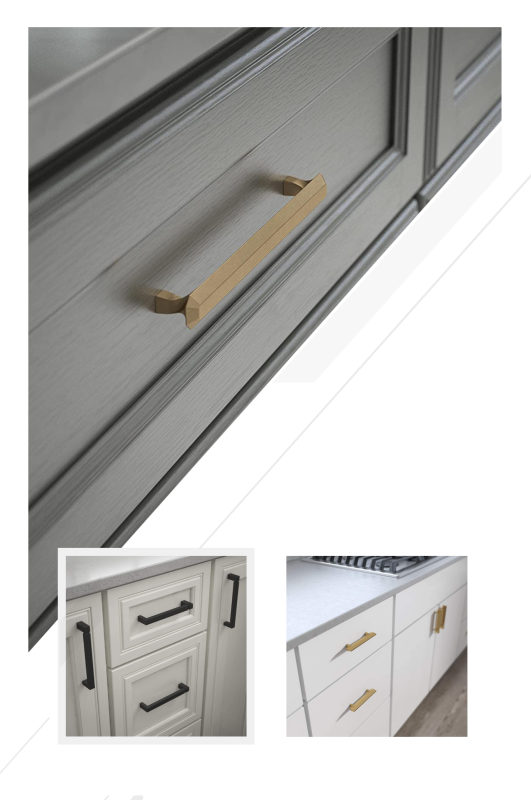
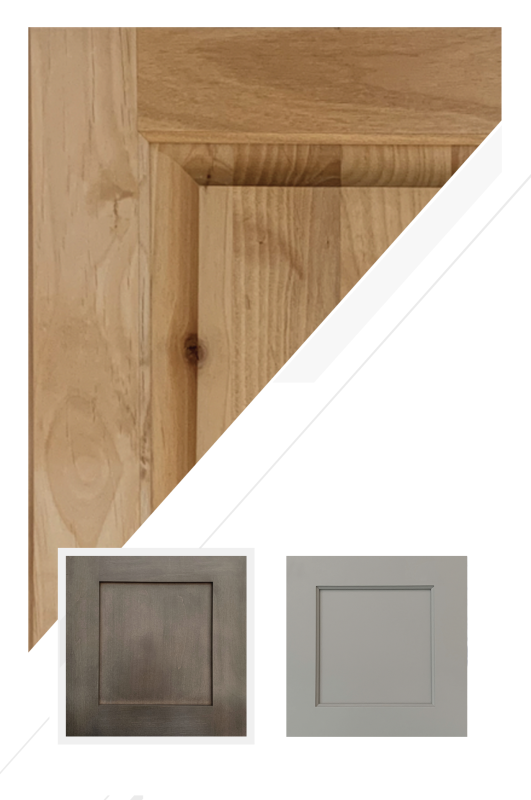
Material choices play a major role in whether a home feels custom. Durable flooring, well crafted cabinetry, and thoughtful detailing communicate care and permanence. These elements influence perception more than sheer size.
Selecting materials from a curated palette reduces decision fatigue while maintaining a cohesive aesthetic. This approach also helps manage costs and availability.
Natural Light and Spatial Experience
Light has a profound impact on how a home feels. Homes that feel custom often prioritize daylight, views, and indoor outdoor connections. These qualities can be achieved through thoughtful window placement rather than complex forms.
Consistent ceiling heights, proportional rooms, and well placed openings create a sense of balance that feels intentional and refined.
Reducing Risk Through Early Coordination
One of the most effective ways to reduce custom risk is early coordination between design and construction. When structural systems, mechanical layouts, and finishes are aligned from the start, fewer surprises arise during building.
This approach supports clearer pricing and more reliable timelines. Homeowners benefit from knowing what to expect before construction begins.
The Advantage of Systemized Building
Systemized and factory built approaches offer an alternative to traditional custom construction. These methods rely on repeatable processes and controlled environments while still allowing design flexibility.
Because many decisions are resolved early, systemized homes often experience fewer delays and more predictable costs. Quality control also improves when components are built under consistent conditions.
Customization Within Structure
Systemized building does not eliminate customization. Instead, it channels it. Homeowners can choose layouts, finishes, and features within a proven framework, achieving a personalized result without excessive risk.
Adaptability Over Time
Homes that feel custom should also remain functional as needs change. Flexible layouts, durable systems, and thoughtful planning allow homes to adapt without major renovations.
This long term perspective adds value and reduces future risk.
Balancing Creativity and Certainty
The goal is not to eliminate creativity but to apply it strategically. By focusing creative energy on elements that enhance daily life, homeowners achieve meaningful customization without unnecessary exposure.
Clear decision making, supported by experienced design and construction teams, helps maintain this balance.
Why This Approach Matters in California
In California, regulatory complexity, labor shortages, and rising costs amplify the risks of fully custom construction. Approaches that combine thoughtful design with predictable delivery offer a practical path forward.
Homes that feel custom without excessive risk align well with the needs of homeowners seeking quality, resilience, and long term value.
Conclusion
Designing homes that feel custom does not require accepting custom level risk. With strong design frameworks, early coordination, and systemized construction methods, homeowners can achieve personalized spaces with greater confidence.
This balanced approach delivers homes that are comfortable, durable, and thoughtfully designed while supporting predictable outcomes.
About Joy Line Homes
Joy Line Homes helps California homeowners design factory built and systemized housing that balances customization, predictability, and long term value.
Visit AduraAdu.com to explore home planning resources.
Let's Get Started
Please Select the form that applies to you by selecting the appropriate tab above.
We are based in San Jose County ,
California
Tel: (831) 888-Home
Email: info@joylinehomes.com
Business Hours: 9am - 6pm