The Real Cost of Building an ADU in California
By Joy Line Homes
When homeowners begin researching accessory dwelling units, one of the first questions they ask is simple. How much does it really cost to build an ADU in California. The answer is rarely a single number. ADU costs are shaped by many moving parts, including site conditions, permitting, design decisions, construction method, and long-term performance expectations. Understanding the full cost picture helps homeowners avoid surprises and make confident planning decisions.
In California, ADUs are permanent housing units that must meet building, energy, and safety requirements. That means the cost reflects more than square footage alone. It includes the work required to safely connect the unit to utilities, comply with local regulations, and ensure the home performs well over time. A realistic cost discussion focuses on total project scope rather than just the structure.
Homeowners who approach ADU budgeting with clarity tend to have better outcomes. Instead of asking for the lowest number, they ask what is included, what is not, and where variation is most likely. That mindset separates stressful projects from successful ones.
Why ADU Costs Vary So Widely in California
California is not a single market. Costs in San Jose, Santa Cruz, San Francisco, Sacramento, Los Angeles, or San Diego can look very different, even for similar-sized ADUs. Labor rates, permitting fees, utility requirements, and site constraints vary by city and county. A flat suburban lot is not the same as a hillside property or a tight urban infill site.
ADU type also matters. A detached backyard ADU typically costs more than a garage conversion because it requires a new foundation, framing, and roof. Attached ADUs fall somewhere in between. Junior ADUs may have a lower price point but come with size and layout limitations.
Square Footage Is Only One Variable
Many homeowners assume cost scales directly with size. While size matters, it is not the only driver. Bathrooms, kitchens, mechanical systems, and utility connections carry fixed costs that do not shrink much when square footage is reduced. A small ADU still needs a compliant bathroom, a functional kitchen, and energy-efficient systems.
This is why very small ADUs can sometimes feel expensive on a per-square-foot basis. The value comes from livability, not just size.
Core Cost Categories Every Homeowner Should Understand
The real cost of an ADU is best understood by breaking it into categories. These categories exist regardless of whether the unit is factory-built or site-built. Some costs are predictable early. Others depend on site investigation and local review.
Design, Engineering, and Permitting
Design and permitting costs cover architectural plans, engineering, energy compliance documentation, and submission to the local jurisdiction. These costs vary based on complexity, location, and whether the design is custom or based on a pre-approved plan. Jurisdictional review timelines can also affect holding costs.
Permitting fees themselves vary widely. Some cities charge impact fees or utility connection fees depending on unit size and configuration. Others have reduced or waived certain fees for ADUs, but local rules still matter.
Site Preparation and Utilities Often Drive Cost Surprises
Site work is one of the biggest variables in ADU cost. This includes grading, excavation, trenching for utilities, foundation work, and access improvements. A property with easy access and nearby utility connections will usually cost less to prepare than a constrained or sloped site.
Utility connections deserve special attention. Water, sewer, electrical, and gas requirements differ by jurisdiction. Some cities require separate meters. Others allow shared systems with upgrades. The distance from existing connections can significantly affect cost.
Access and Delivery Considerations
Access matters for both factory-built and site-built ADUs. Narrow driveways, overhead lines, and tight side yards can increase labor and equipment costs. For factory-built ADUs, delivery access must be evaluated early. For site-built projects, material handling and staging still affect daily workflow and duration.
Structure Costs: Factory-Built vs Site-Built
The structure itself is only one portion of the total budget, but it is the most visible. Factory-built ADUs often have a clearer base price because the structure is produced in a controlled environment. This can improve predictability, but it does not eliminate site costs.
Site-built ADUs may offer more flexibility during construction, but that flexibility can introduce cost changes if decisions shift. Neither approach is automatically cheaper. The best outcome depends on scope clarity, coordination, and realistic expectations.
Interior Finishes and Long-Term Durability
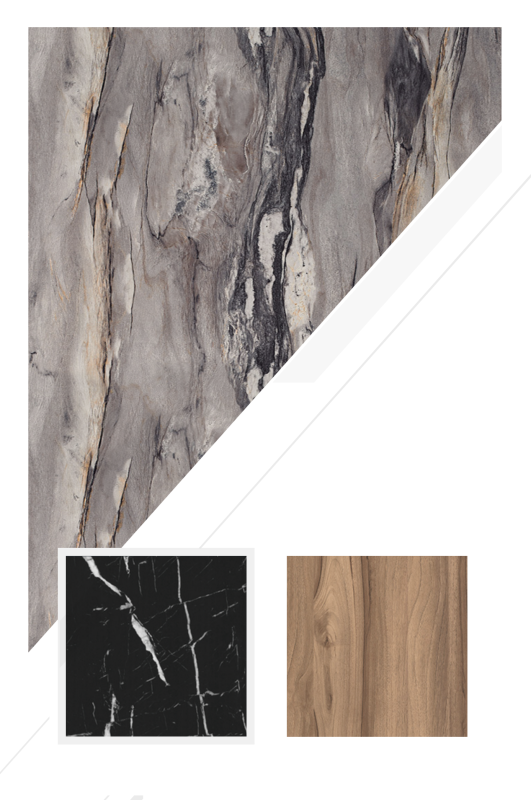
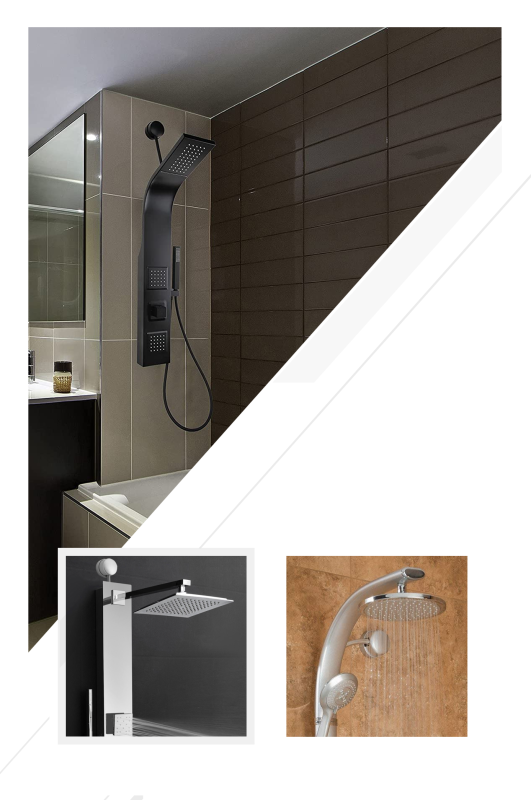
Finishes influence both upfront cost and long-term maintenance. Durable flooring, quality cabinetry, and well-installed fixtures may cost more initially but often reduce repair and replacement expenses over time. For rental-focused ADUs, durability is especially important.
Homeowners should think beyond appearance. Finishes that are easy to clean and resistant to wear support better long-term performance and tenant satisfaction.
Energy Efficiency and Operating Costs
California energy requirements influence ADU costs, but they also protect homeowners over time. Insulation, efficient windows, ventilation, and heating systems all affect monthly utility bills. While these features add to upfront cost, they often reduce operating expenses for decades.
For aging in place or rental use, predictable operating costs improve financial stability. An ADU that is comfortable and efficient tends to perform better in the long run.
Financing and Carrying Costs
Financing affects the real cost of an ADU. Interest during construction, loan fees, and timing all matter. Faster completion can reduce carrying costs. This is one reason some homeowners value predictable timelines.
Rental income potential should be evaluated realistically. Market rents vary by location and unit quality. A conservative income estimate combined with a realistic cost model leads to better long-term decisions.
What a Realistic ADU Budget Looks Like
A realistic ADU budget includes contingency. Even well-planned projects encounter unknowns, especially in older neighborhoods. Homeowners who set aside contingency funds tend to manage stress better and protect their investment.
The goal is not to eliminate uncertainty, but to plan for it. Clear scope, early site evaluation, and experienced guidance reduce risk.
Conclusion
The real cost of building an ADU in California is shaped by more than the structure itself. Site conditions, permitting, utilities, design decisions, and long-term performance all play a role. Homeowners who understand these components are better prepared to plan, budget, and build with confidence.
An ADU is a long-term investment. When planned thoughtfully, it can provide housing flexibility, rental income, and long-term value that far exceeds its initial cost. The key is clarity, not shortcuts.
About Joy Line Homes
Joy Line Homes helps California homeowners evaluate ADU costs, clarify scope, and plan factory-built and modular housing with long-term value in mind.
Visit AduraAdu.com to explore ADU options and planning resources.
Let's Get Started
Please Select the form that applies to you by selecting the appropriate tab above.
We are based in Santa Clara County ,
California
Tel: (831) 888-Home
Email: info@joylinehomes.com
Business Hours: 9am - 6pm