How Construction Choices Impact Long-Term Property Value
By Joy Line Homes
Property value is not only shaped by location and market timing. For homeowners who build, remodel, or rebuild, value is also shaped by construction decisions that most buyers never see. Long-term value is influenced by how a home performs, how it holds up, how it is maintained, and how confidently a future buyer can picture owning it without surprises.
In California, the gap between a home that sells quickly and a home that sits can come down to perceived risk. Buyers have learned to ask different questions. They wonder about insurance eligibility, fire and climate exposure, energy costs, moisture management, and the quality of workmanship. These questions are not abstract. They show up in inspections, negotiation credits, and whether a buyer feels comfortable moving forward.
The good news is that long-term value can be designed into the build process. It is not limited to expensive finishes or luxury upgrades. It comes from making practical choices that reduce future repairs, protect comfort, and create confidence that the home was built with intention.
Value Is a Story Buyers Believe
A buyer rarely sees every detail of construction. Instead, they sense quality through clues. Doors close cleanly. Floors feel solid. Rooms are comfortable in temperature and quiet. Maintenance appears manageable. Documentation is organized. The home gives off a feeling that the builder made smart decisions, not rushed ones.
That feeling has real financial impact. A home that communicates durability and predictability is easier to appraise, easier to insure, and easier to sell. A home that feels uncertain often triggers discounts, extended timelines, or buyer hesitation even when the design looks attractive.
Avoiding the “Unknown Cost” Discount
Buyers often discount homes that seem like they might require major work soon. Even if the home is functional today, visible shortcuts or unclear system planning can create a mental budget line item. Construction choices that reduce uncertainty protect your future sale price.
Structural Choices That Protect Value
Structural integrity is not only about safety. It is about long-term performance. Strong foundations, well-executed framing, and careful load planning reduce cracking, uneven floors, and future remediation. These issues can become inspection headlines and negotiation drivers.
Choosing a structural approach with clear engineering and repeatable execution often reduces variability. Consistency matters. When structural systems are built the same way across the home, they are easier to maintain, easier to repair, and easier for inspectors to evaluate.
In higher seismic regions, properly engineered connections and shear strategies also influence buyer confidence. Many buyers do not know the details, but they recognize the value of professional engineering and documented compliance.
Moisture Management Is a Quiet Value Driver
Moisture is one of the most common reasons homes lose value over time. Water intrusion, poor drainage, and inadequate ventilation can lead to mold, rot, and interior damage. Even minor moisture issues can create major buyer concern because they are expensive and difficult to fully verify.
Construction choices that control water protect value in a way that stays invisible until it matters. Proper site drainage, well-integrated flashing, thoughtful roof design, and durable exterior cladding all reduce the likelihood of future moisture-related repairs.
Inside the home, ventilation design matters just as much. Bathrooms and kitchens should vent effectively. Laundry spaces should be planned to handle humidity. Crawlspaces and attics should be detailed to remain dry and accessible.
Durable Details Beat Decorative Solutions
Buyers may love the look of fresh paint, but moisture damage behind walls will eventually surface. Prioritizing waterproofing and ventilation is a long-term value decision, even if it never becomes a marketing photo.
Energy Performance and Comfort Hold Value
Energy efficiency is not only about utility bills. It is about comfort and consistency, which influence how a home feels during showings and inspections. Homes with stable indoor temperatures, low drafts, and quiet operation feel more premium than homes that rely on constant mechanical correction.
Choices like high-quality insulation installation, continuous air sealing, right-sized HVAC systems, and well-planned ducting reduce long-term operating costs and improve daily living. Over time, these benefits compound into stronger resale outcomes because buyers increasingly want predictable monthly ownership costs.
In markets with hot summers or cooler coastal evenings, the ability of a home to maintain comfort without excessive energy use can be a major differentiator. Buyers often ask about the age and condition of equipment, but they also respond to how the home feels when they walk through it.
Material Selections That Age Well
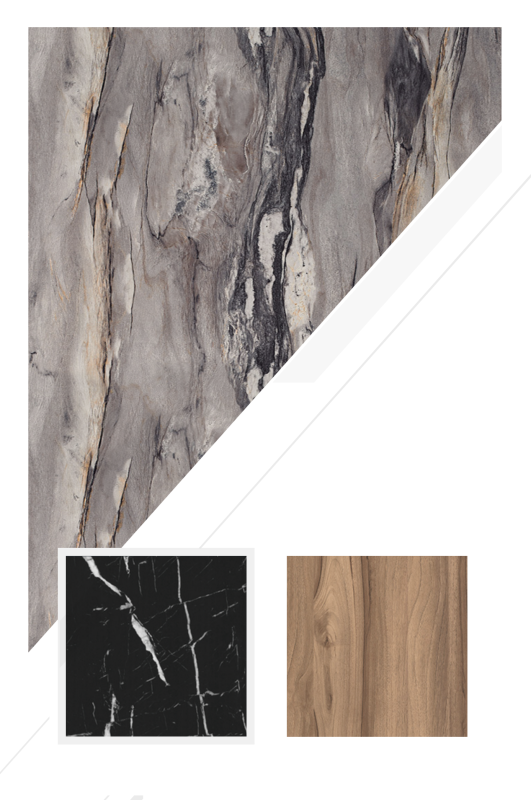
Materials influence value through durability and maintenance, not just style. A finish that looks beautiful but wears poorly can create a tired appearance within a few years. A more durable material can hold its appeal longer and reduce the sense that the home will require immediate updates.
Flooring is a good example. Buyers notice scratches, swelling, and uneven transitions. Exterior materials are another. Siding, roofing, and trim that hold up under sun, moisture, and wind signal a home that was built to last.
Durability is also about compatibility. When materials are chosen to work together, movement and expansion are managed more gracefully. When incompatible materials are forced together, cracks and gaps appear, and buyers interpret them as quality problems even when they are purely technical.
Workmanship and Repeatability
Construction quality is not only determined by good intentions. It depends on process. Repeatable methods, clear scopes, and disciplined quality control reduce mistakes that lead to callbacks and future defects.
Homes that are built with fewer unknowns tend to have fewer irregularities. Straight lines, consistent finishes, and accurate alignment help a home feel calm and well executed. These details matter in resale because buyers often interpret precision as a proxy for what is happening inside walls and under floors.
Repeatability also benefits repairs. When assemblies follow familiar standards and parts are accessible, future maintenance becomes less stressful. That reduces ownership cost over time, which supports value.
Mechanical and Electrical Planning
Mechanical and electrical systems influence value when they are sized correctly and installed cleanly. Buyers want to see panels that have capacity, equipment that is not near end-of-life, and ducting or piping that looks organized rather than improvised.
Planning ahead for future needs can protect value. Electric vehicle charging, heat pump upgrades, battery storage, and solar readiness are increasingly common buyer questions. Even if a homeowner does not install every feature, designing the infrastructure to support future improvements reduces friction later.
Clear access to shutoffs, filters, and service areas also matters. A system that is hard to service can become a long-term headache. Buyers may not articulate it, but they feel it when they see cramped access or confusing layouts.
Fire and Climate Resilience in High-Exposure Areas
In wildfire-prone regions, construction choices can directly influence value because they affect insurability and risk perception. Fire-resistant exterior assemblies, ember-resistant venting, durable roofing, and smart site planning can all contribute to a more resilient home.
Climate exposure is broader than fire. Wind, heat, heavy rain, and smoke events are increasingly part of ownership reality. Homes that can handle these pressures with less damage, fewer repairs, and less disruption tend to retain value.
Resilience is not a single upgrade. It is a baseline approach. It shows up in material decisions, detailing, landscaping strategy, and maintenance planning. When these decisions are integrated early, the result feels cohesive and credible.
Permitting, Documentation, and Trust
One of the fastest ways to damage resale potential is unclear permitting history. Buyers and lenders tend to be cautious when documentation is missing or improvements appear unpermitted. Even a well-built project can lose value if its legal status is uncertain.
Strong documentation is a value asset. Plans, warranties, inspection sign-offs, product manuals, and maintenance notes make a home easier to understand and less intimidating to purchase. Documentation also signals professionalism and care.
For homeowners planning improvements, it is worth treating the “paper trail” as part of the build. Keep a simple folder structure. Save product cut sheets for major components. Track paint colors and finish selections. Record the service schedule for key systems. These small habits can translate into real value at resale.
The Long View on Cost and Value
Short-term savings can be expensive later. Lower-cost materials may require earlier replacement. Under-sized systems may lead to discomfort and higher operating costs. Poor detailing can create repair cycles that accumulate over the years.
Long-term property value is often supported by decisions that reduce total cost of ownership. When a home is durable, efficient, and easy to maintain, owners spend less on surprises and buyers feel less risk. That combination supports pricing power.
There is also a psychological factor. Buyers are willing to pay more for homes that feel straightforward. If the house seems like it will behave predictably, it becomes easier to justify a higher offer, especially in a market where renovation costs are high.
Looking Ahead
Construction choices shape property value over time in ways that go far beyond curb appeal. Structural decisions, moisture control, energy performance, material durability, system planning, resilience, and documentation all contribute to how confidently a home can be owned and sold.
When the goal is long-term value, the best strategy is not to chase trends. It is to build a home that feels clear, durable, and well considered. That kind of quality shows up in comfort today and in stronger outcomes when resale eventually becomes part of the story.
About Joy Line Homes
Joy Line Homes helps California homeowners build and plan housing that prioritizes durability, comfort, and long-term property value.
Visit AduraAdu.com to explore planning resources.
Let's Get Started
Please Select the form that applies to you by selecting the appropriate tab above.
We are based in San Jose County ,
California
Tel: (831) 888-Home
Email: info@joylinehomes.com
Business Hours: 9am - 6pm