The Role of Factory Precision in Improving Home Durability
By Joy Line Homes
Durability is not a single product or a single upgrade. It is the result of hundreds of small decisions that add up: how framing is aligned, how openings are sealed, how moisture is managed, and how every assembly connects. A durable home feels solid, stays comfortable, and resists the slow wear that turns minor issues into expensive repairs. In California, durability carries extra weight because homes face real stressors, including seismic requirements, strong sun, coastal moisture, heat waves, and increasingly intense weather patterns.
Factory built and modular construction can improve durability because precision is built into the environment. Instead of building outdoors where weather, jobsite clutter, and trade timing create constant variability, key parts of the home are assembled in controlled conditions. That control supports repeatable processes, measured cuts, consistent fastening patterns, and quality checks at predictable milestones. Precision is not only about looking clean on install day. It is about reducing weak points that can show up years later.
When people hear “factory precision,” they sometimes imagine something overly rigid or purely aesthetic. In reality, it is about lowering risk. Many long term home problems start at seams: where materials meet, where systems pass through walls, where roof assemblies transition, and where windows and doors connect to framing. These are the places where water can enter, air can leak, and movement can cause cracking. A precise build environment helps reduce the number of small compromises that are easy to overlook on a busy jobsite.
Durability Begins With Straight, Square, and Consistent Framing
A home’s durability is anchored by its structure. When framing is straight, plumb, and properly fastened, everything built on top of it performs better. Drywall is less likely to crack, doors are less likely to drift out of alignment, and finish materials are less stressed. Factory environments support consistent framing practices because the work is done on stable platforms with repeatable measurement systems and standardized workflows.
Tighter tolerances reduce long term movement
Every building moves a little over time, but excessive movement can create squeaks, cracking, and gaps. Precision in layout and fastening reduces unintended stress points. When studs, plates, and joists are consistently aligned and properly connected, loads transfer more predictably. That predictable load path matters in everyday use and in event based stress like wind and seismic activity.
Consistent fastening protects the whole assembly
Fastening patterns are not glamorous, but they influence durability more than many homeowners realize. When nails, screws, adhesives, and metal connectors are installed consistently, assemblies stay tight. A controlled setting makes it easier to follow fastening schedules and verify that connections match the engineering intent. Over decades, that consistency supports structural integrity and reduces the chances of localized failure that leads to costly repairs.
Moisture Management Improves When Construction Is Controlled
Moisture is one of the biggest enemies of durability. Rot, mold, swelling, corrosion, and premature material breakdown often trace back to moisture exposure during construction or to small gaps that allow water entry over time. Factory construction helps in two ways: it reduces exposure during vulnerable build stages, and it supports cleaner, more consistent sealing practices.
Less weather exposure during critical stages
On traditional jobsites, framing and sheathing may be exposed to repeated wetting and drying cycles before the home is fully dried in. That repeated exposure can create long term risk, especially if assemblies trap moisture later. Building indoors helps keep materials cleaner and drier, which supports better long term performance for framing members, subfloors, and sheathing.
Sealing details are easier to execute consistently
Durable homes rely on well executed flashing, membranes, and sealants. These details require focus and sequencing. In a controlled environment, crews can follow the same assembly order again and again, which improves consistency. When window openings, penetrations, and transitions are treated methodically, the home is less vulnerable to hidden leaks that can damage walls over time.
Better Fit Improves Comfort and Reduces Wear on Systems
Precision supports durability by improving the way a home holds temperature and manages air movement. Drafty homes are not only uncomfortable, they also work their heating and cooling systems harder. Over time, that extra runtime can shorten equipment life and increase operating costs. A tighter, better sealed envelope typically results in more stable indoor temperatures and less stress on mechanical systems.
A tighter envelope protects interiors
When air leaks are reduced, interior finishes tend to last longer. Humidity swings can be less severe, and dust intrusion can be reduced. Doors and windows that fit correctly also tend to operate smoothly for longer, which reduces maintenance and prevents early replacement. Comfort improvements and durability improvements often happen together because they share the same root cause: better execution at seams and transitions.
Systems Coordination Reduces Hidden Weak Points
Many durability issues originate where systems are installed. Plumbing, electrical, and ventilation pathways often require penetrations, chases, and access panels. If these are routed on the fly, the result can be unnecessary cuts, awkward joints, or hard to service locations. Factory workflows encourage earlier coordination, which helps systems fit cleanly and reduces the chance of damage caused by rushed field adjustments.
Cleaner penetrations support long term sealing
Every penetration through an exterior wall or roof is a potential weakness. When penetrations are planned, cut cleanly, and sealed consistently, they are less likely to leak. Precision helps here because the locations are known, the openings are accurate, and sealing steps can be verified. This reduces the risk of water intrusion that can remain hidden for years before showing up as staining or rot.
Serviceability helps durability over decades
A durable home is also a maintainable home. When shutoffs, filters, and access points are thoughtfully placed, routine maintenance is easier. Easier maintenance typically means it actually gets done. Over time, that protects the home’s systems and prevents small issues from becoming major failures. Precision is not only about building, it is also about planning for ownership.
Durability in California Means Preparing for Real Stress
California homes must perform under real structural and environmental demands. Seismic design, wind considerations, and region specific climate conditions all play a role. Precision supports performance because it helps the home match the engineering intent. When connections are installed consistently and assemblies are built as designed, the home is more likely to behave predictably during stress events.
Seismic confidence comes from consistent connections
In seismic regions, continuity matters. Connectors, straps, shear elements, and anchoring systems work together. If one part is under installed, the system may not perform as intended. Controlled production makes it easier to follow engineered requirements and verify installation. That consistent execution supports long term confidence and reduces the risk of costly structural repairs after an event.
Coastal and heat exposure require disciplined detailing
Coastal environments bring salt air and moisture, which can accelerate corrosion if materials and details are not selected and installed well. Inland heat and strong sun can stress exterior materials and sealants. Precision supports durable detailing by reducing gaps, improving flashing execution, and ensuring that assemblies are completed as specified. The result is a home that holds up better year after year in diverse California conditions.
Finish Quality Is Not Just Cosmetic
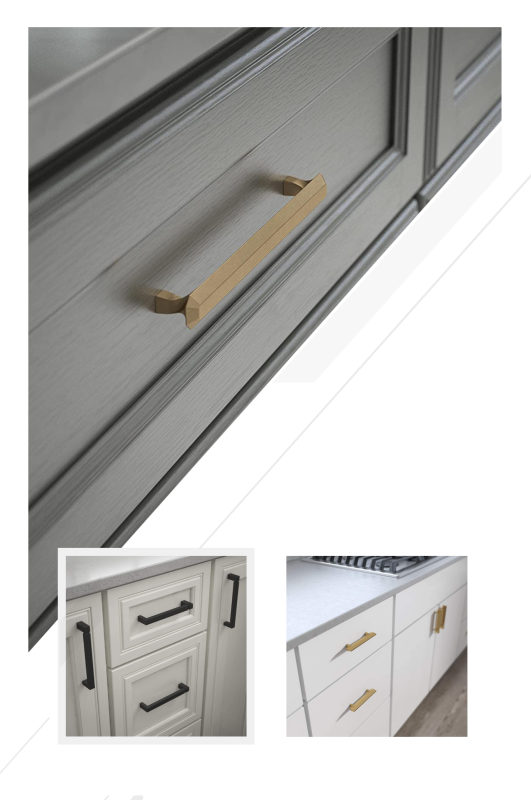
Finish quality is often treated as aesthetics, but it also affects durability. When floors are flat, cabinets are installed square, and trim is aligned correctly, components experience less stress. Doors and drawers operate smoothly. Tile and grout are less likely to crack from movement. Even paint and caulking tend to last longer when underlying surfaces are consistent and stable.
Small alignment errors become big maintenance costs
In a home, a tiny misalignment can create repeated wear. A slightly out of square door rubs. A poorly supported countertop flexes. A shower enclosure shifts. Over time, these small issues generate repairs and frustration. Precision reduces the number of those starting points, which is a quiet but meaningful durability advantage.
Quality Assurance Is Easier When the Process Is Repeatable
Durability is easier to achieve when quality checks are planned into the build. On a busy jobsite, inspections and checks can get compressed into narrow windows. In a repeatable factory workflow, quality assurance can be layered into the process. That means key assemblies are reviewed before they are closed, and issues can be corrected early, when fixes are simpler and less expensive.
Early fixes protect long term performance
Many long term durability problems are created when something is covered up too soon. A missed seal, an unprotected joint, or an incomplete fastener pattern can disappear behind drywall. A controlled quality process reduces this risk by verifying steps before they are hidden. That kind of early correction is one of the most powerful durability tools available.
Joy Line Homes and Durable Factory Built Housing
At Joy Line Homes, we focus on modern factory built and modular housing that is designed for long term ownership. Precision helps us deliver homes that feel solid, stay comfortable, and resist the slow problems that lead to expensive repairs. From tighter assemblies and better moisture management to coordinated systems and consistent detailing, factory precision supports durability in a practical, measurable way.
If you are planning an ADU, a modular home, or a long term investment property in California, durability should be part of the conversation from day one. A home that is built with disciplined precision tends to stay valuable longer, cost less to maintain, and feel better to live in for decades.
About Joy Line Homes
Joy Line Homes helps California homeowners and investors evaluate factory-built and modular construction with clear scope, thoughtful design, and long-term value in mind.
Visit AduraAdu.com to explore factory-built home options and planning resources.
Let's Get Started
Please Select the form that applies to you by selecting the appropriate tab above.
We are based in Santa Clara County ,
California
Tel: (831) 888-Home
Email: info@joylinehomes.com
Business Hours: 9am - 6pm