Designing Small Homes That Adapt to Life Changes Over Time
By Joy Line Homes
Small homes have become one of the smartest ways to live in California, but the real advantage is not only the footprint. The best small homes stay useful as life shifts. They support a new baby, a new job, an aging parent, a short term rental season, and a future you cannot fully predict yet. When a home can change roles without needing a major remodel, it saves money, protects comfort, and reduces stress. That flexibility is what makes a small home feel bigger than its square footage.
Most people do not live one version of life forever. A studio that feels perfect in year one may feel cramped in year five when work from home becomes daily. A one bedroom may be ideal for a couple until a family member needs a quiet place to stay for recovery. A backyard ADU might begin as a guest suite and later become rental income, then return to family housing when circumstances change again. Designing for these transitions is one of the most practical forms of future planning.
Adaptability starts with a simple idea: build a small home that has more than one correct way to use it. That means designing rooms with flexible roles, choosing circulation that supports privacy, and planning storage so the home can hold the gear and supplies that arrive as life gets more complex. It also means planning systems and infrastructure so upgrades are easier later. A small home that is comfortable today and upgrade ready tomorrow will stay valuable longer.
Start With a Layout That Can Change Roles
In a small home, layout is everything. The floor plan is what determines whether the space feels calm or constantly compromised. The goal is not to add more rooms. The goal is to design a few well shaped zones that can be used in multiple ways. A flexible layout usually includes a clear public zone, a quieter private zone, and at least one area that can shift between work, sleep, and storage depending on the season.
Design one room to do two jobs
A flexible room is the secret weapon of an adaptable home. It can be a small den, a widened hallway nook, or a secondary bedroom that does not have to stay a bedroom forever. In real life, this room becomes a home office, nursery, hobby room, caregiver space, or short term guest area. The key is proportion and placement. If the room is too narrow, it will only fit one function. If it is too central, it will not offer privacy. When it is sized and placed well, it becomes the home’s safety valve when life changes.
Use doors and openings to control privacy
Open concept living is popular, but adaptability also requires control. Pocket doors, sliding doors, and well placed cased openings let you separate spaces without making the home feel chopped up. Privacy matters for work calls, overnight guests, and multigenerational living. A small home that can open up for daily life and close down for quiet moments feels more capable and more comfortable.
Plan Storage Like a Long Term Strategy
Storage is not a bonus in a small home. It is the foundation of livability. Life changes usually come with more items, not fewer. Children, pets, hobbies, caregiving, remote work, and outdoor activities all bring equipment, supplies, and paperwork. When storage is an afterthought, the home quickly feels cluttered and stressful. When storage is planned intentionally, the home stays calm.
Prioritize hidden storage that does not shrink the room
Built in storage helps most when it is integrated into walls, benches, and transitions rather than relying on bulky furniture. A window seat with drawers, a shallow pantry wall, a tall cabinet in a hallway, and overhead storage in a laundry zone can hold a surprising amount without stealing usable floor area. These details keep the home flexible because you are not forced to arrange the entire space around storage furniture.
Create a drop zone that prevents chaos
A small entry area or mud zone can transform daily life. A simple bench, hooks, and a place for shoes reduces mess and makes the home feel more organized. This matters even more when the home evolves into a rental or multigenerational setup. A consistent drop zone supports routines, and routines make small spaces feel easier.
Design for Work From Home Without Sacrificing Home
Remote work has turned many small homes into dual purpose spaces. The mistake is designing a workstation that takes over the living area. The better approach is to create work capability that can disappear. Think of it as a home that can shift from work mode to life mode without major effort.
Give the workspace natural light and control
A good work zone has daylight, outlets, and the ability to control noise and visual distractions. This does not mean you need a large office. A shallow built in desk near a window, paired with shelving and a door or screen, can work extremely well. When the home later becomes a rental, that same zone becomes a study area or a dressing nook. When the home becomes multigenerational housing, it can serve as a caregiver station or a quiet reading spot.
Make Accessibility Easier Before You Need It
One of the biggest life changes is mobility. Whether it is aging in place, recovery after an injury, or accommodating a family member, accessibility can determine whether a small home remains useful. Designing for accessibility does not mean making the home feel clinical. It means making smart, subtle choices that keep options open.
Keep circulation clear and doors practical
Hallways that are not overly tight, doorways that allow easier movement, and bathrooms that can accommodate support features make a home more resilient. Even small adjustments in layout can create a more comfortable daily experience. When a home can handle a stroller today and a mobility aid tomorrow, it stays relevant through multiple stages of life.
Design bathrooms for future upgrades
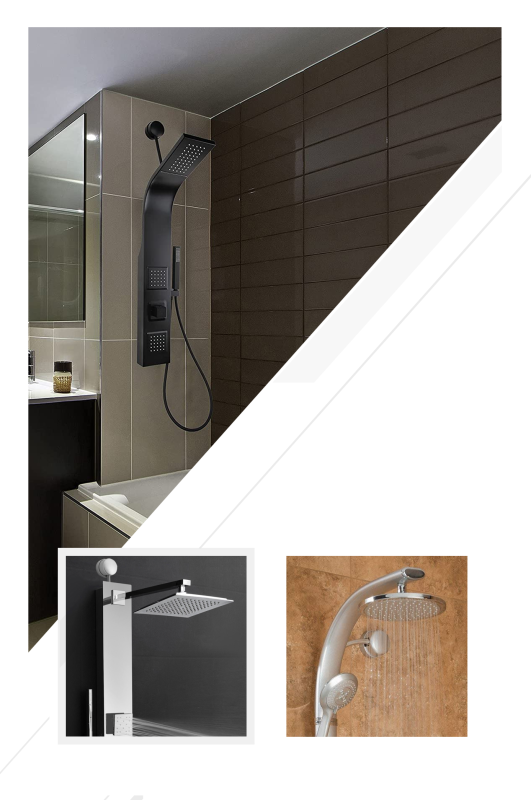
Bathrooms are where adaptability becomes tangible. A shower that can be entered easily, a layout that can accept grab bars later, and wall blocking placed during construction can make future upgrades simple. These steps are much easier to do upfront than after finishes are installed. A bathroom that supports future safety features also supports rental value because it appeals to a wider range of tenants.
Use Kitchens That Scale With Real Life
Small home kitchens should be designed for the way people actually cook. A tiny kitchen can work beautifully when the work triangle is logical and storage is efficient. It also needs flexibility. Over time, one person cooking may become two. A home that starts as a couple’s space may become family space. A home that becomes a rental needs durability and easy maintenance. A kitchen that scales makes the whole home feel easier.
Choose durable, repairable materials
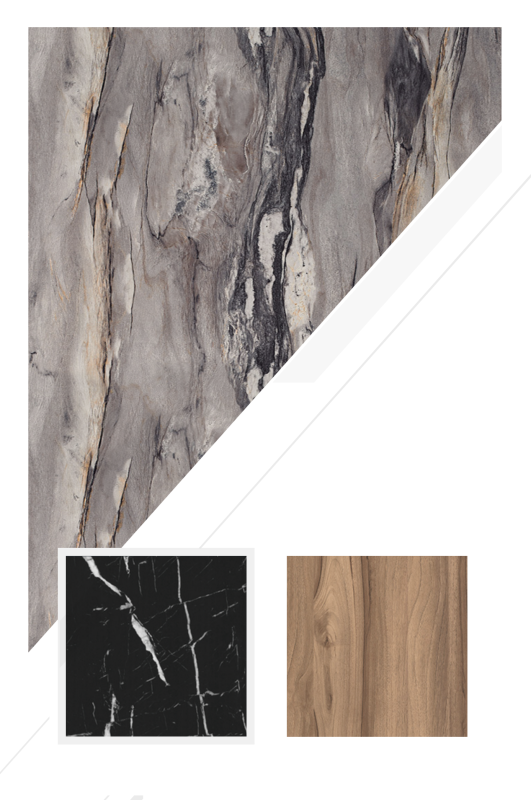
Long term adaptability includes surfaces that can handle change. Durable countertop materials, cabinet finishes that are easy to clean, and flooring that handles spills protect the home’s value. This matters for homeowners and investors alike. A kitchen that can handle daily wear without looking tired will stay attractive longer and cost less to maintain.
Add a flexible eating surface
A small island, a peninsula, or a wall mounted table can change how the home functions. It becomes a work surface, a homework station, a dining area, and a gathering point. If the home later becomes a rental, it improves usability and helps the space feel premium. If the home becomes multigenerational housing, it creates a shared zone that supports connection.
Plan Mechanical Systems for Future Efficiency
Systems matter because they are expensive to change. Heating, cooling, ventilation, water heating, and electrical capacity should be planned with the future in mind. California’s standards and expectations continue to evolve. A small home designed to upgrade cleanly will stay competitive longer and will be easier to operate comfortably.
Build in electrical capacity for future needs
People add electric vehicles, induction cooking, battery systems, and smarter equipment over time. Planning panel capacity, conduit routes, and outlet placement makes upgrades easier later. This is true for ADUs as well. A unit that begins as family space may later need separate metering or added electrical loads. When the infrastructure is ready, adaptation is smoother and less costly.
Ventilation is comfort, not a feature
Small homes can feel stuffy if ventilation is not designed well. A quiet, effective ventilation plan supports long term comfort and helps protect finishes from moisture. This matters for coastal areas like Santa Cruz and the Bay Area, and for warmer inland zones as well. Comfort is a major factor in resale and rental demand, and ventilation is a big part of comfort.
Design the Exterior to Support Multiple Phases of Use
Adaptability is not only inside the walls. Outdoor space and exterior access matter, especially for ADUs. A small home feels larger when it has usable outdoor zones. It also becomes more flexible when the entry and yard layout support different living arrangements. A unit used by family today might become a rental later, and that shift is easier when privacy and access are planned from the start.
Create a private outdoor zone
A modest patio, a defined seating area, or a small garden strip can feel like an extra room. This becomes more important over time as routines change. Outdoor space supports caregiving breaks, work calls, exercise, and relaxation. For rentals, it increases desirability. For multigenerational living, it provides separation and breathing room.
Plan entries for dignity and independence
Separate entries, clear paths, and good lighting support independence. If an ADU becomes a rental, tenants value privacy. If it becomes a space for aging parents, they value safe access and a sense of autonomy. Entry planning is one of the easiest ways to make a small home feel like a real home, not an add on.
Think Like an Investor Even If You Are Not One
Even homeowners who never plan to rent benefit from investor thinking. Adaptable design protects resale options. A small home that can be used as a guest suite, an office, a rental, or a multigenerational unit attracts a broader set of future buyers. It also protects you if your life changes in ways you did not expect. The most resilient housing plan is the one that offers choices.
Adaptability also helps you avoid expensive remodeling cycles. Many remodels happen because a home cannot accommodate a new routine. When you design flexible zones, durable finishes, and upgrade ready systems, you reduce the pressure to renovate just to keep up with life. That is long term value in the most practical sense.
Joy Line Homes and Adaptable Small Home Planning
At Joy Line Homes, we help Californians design small homes and ADUs that stay useful as life evolves. We focus on layouts that can shift roles, storage that supports real routines, and systems that keep options open for future upgrades. Whether you are building in San Jose, the Bay Area, Santa Cruz, Los Angeles County, Orange County, or San Diego, the goal is the same: create a home that fits today and still fits years from now, without losing comfort, style, or performance.
Small homes work best when they are designed with a long view. When your home can adapt to life changes, it becomes a steady asset, not a space you outgrow. That is the real promise of smart small home design in California.
About Joy Line Homes
Joy Line Homes helps California homeowners and investors evaluate factory-built and modular construction with clear scope, thoughtful design, and long-term value in mind.
Visit AduraAdu.com to explore factory-built home options and planning resources.
Let's Get Started
Please Select the form that applies to you by selecting the appropriate tab above.
We are based in Santa Clara County ,
California
Tel: (831) 888-Home
Email: info@joylinehomes.com
Business Hours: 9am - 6pm