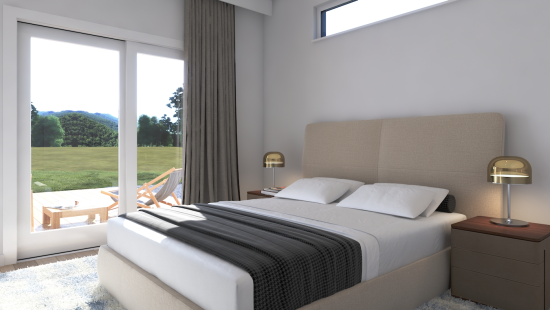
ADU zoning in California is easiest to understand when you separate statewide allowances from local implementation. State law requires cities and counties to allow ADUs, but zoning still controls the buildable envelope through setbacks, height, placement, lot constraints, and overlay districts. This article walks through the most important zoning factors that shape feasibility and design, including where an ADU can sit on the lot, how privacy and access are influenced by placement, and why utilities, easements, slopes, and existing structures matter as much as square footage. It also covers regional considerations across Santa Cruz, San Jose, San Francisco, Sacramento, Santa Rosa County, San Luis Obispo County, Santa Barbara, Los Angeles and LA County, Orange County, and San Diego. The result is a clearer roadmap for designing an ADU that permits smoothly and lives well long-term....
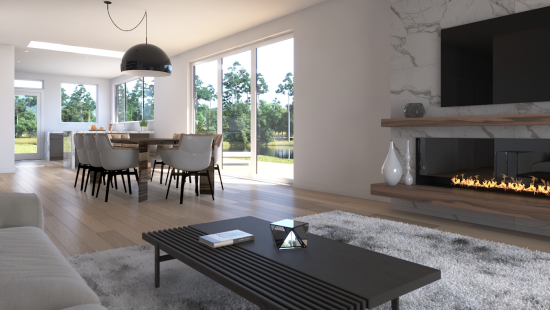
This article breaks down how zoning shapes what you can build as an ADU, beyond the basic idea that ADUs are allowed in many parts of California. It explains how development standards like setbacks, height limits, lot coverage, and access conditions influence layout, privacy, daylight, and long-term comfort. You will learn why local rules still matter even with statewide ADU protections, and how overlay zones can trigger extra review in coastal, hillside, or historic contexts. The guide includes regional examples across Santa Cruz, San Jose, San Francisco, Sacramento, Santa Rosa County areas, San Luis Obispo County, Santa Barbara, Los Angeles County, Orange County, and San Diego, with hyper focus on San Jose neighborhoods and nearby cities like Campbell, Palo Alto, and Redwood City. The goal is a practical, livable ADU plan that permits cleanly....
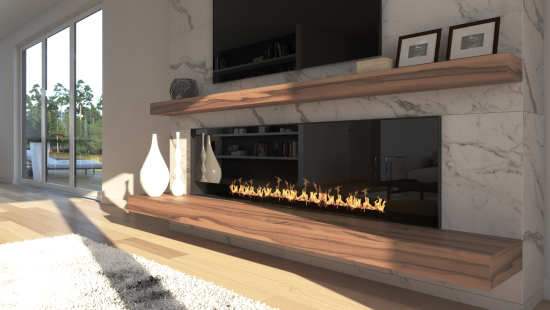
This blog explains why predictable builds consistently produce better home performance than improvised, variable construction. It focuses on how performance is created through repeatable sequencing and quality checks that protect the most important details, including airtightness, insulation coverage, moisture control, and mechanical coordination. The article highlights why transitions are a common failure point, how controlled workflows support better ventilation and indoor air quality, and why right-sized HVAC depends on a stable enclosure. It also connects predictable delivery to homeowner priorities in high-cost markets, where delays, substitutions, and callbacks can be financially painful, especially for ADUs intended for rental income or family living. With a focus on San Jose neighborhoods and nearby cities like Campbell, Palo Alto, and Redwood City, plus statewide regions including Santa Cruz, San Francisco, Sacramento, Santa Rosa County, San Luis Obispo County, Santa Barbara, LA County, Orange County, and San Diego, the blog positions predictability as a practical performance strategy....
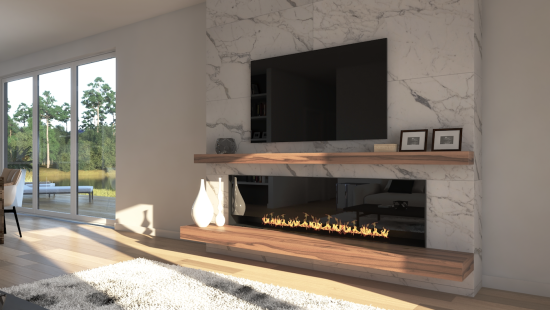
This article explores how factory-built construction improves long-term maintenance outcomes by reducing many of the hidden issues that drive costly repairs over time. It explains how controlled environments support better moisture management, consistent framing, and coordinated mechanical systems that age more reliably. Readers learn why repeatable assemblies and detailed documentation make homes easier to service and less prone to defects. The blog also highlights the unique benefits for ADUs, where low maintenance performance directly affects rental stability and long-term value. With California-focused context spanning San Jose and nearby cities, Santa Cruz, San Francisco, Sacramento, Santa Rosa County, San Luis Obispo County, Santa Barbara, Los Angeles County, Orange County, and San Diego, the piece shows how factory-built methods help homeowners protect their investment and enjoy a more durable, dependable living environment over the life of the home....
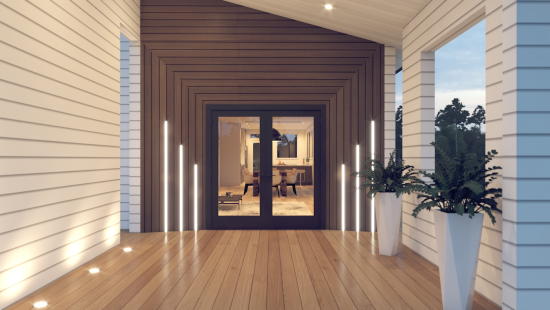
This blog explores how factory-built homes are influencing the evolution of modern design across California, especially as ADUs become a practical solution for infill housing. It explains why modern design depends on consistency, proportion, and performance, and how factory-built workflows can reduce the onsite variability that often compromises clean detailing and finish alignment. The article highlights key themes like daylight and window strategy, compact layouts that feel spacious, durable material palettes, and performance standards that support comfort and lower operating costs. It also connects these design ideas to real-world use cases, including rental ADUs and family-focused ADUs that can adapt over time. With regional context across San Jose and its neighborhoods, plus Santa Cruz, San Francisco, Sacramento, Santa Rosa County, San Luis Obispo County, Santa Barbara, LA County, Orange County, and San Diego, the blog positions modern design as a system that succeeds when delivery is predictable....
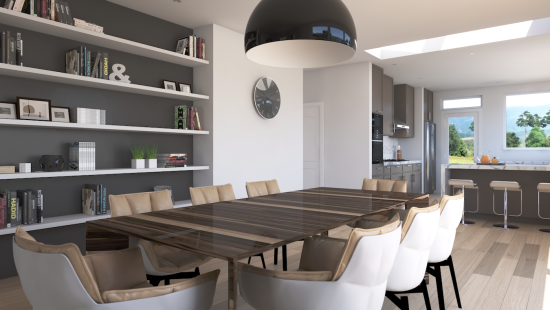
This blog breaks down why factory-built and modular homes can make stronger financial sense in high-cost California markets. Instead of focusing only on upfront price, it highlights the real drivers of success: schedule certainty, reduced jobsite variability, and consistent quality that limits long-term maintenance. The article explains how time translates into carrying costs and lost rental revenue, why labor volatility can reshape budgets, and how predictable milestones support financing, inspections, and planning. It also compares traditional additions to ADUs and shows why ADUs can function as a financial multiplier through income and flexibility. With a strong regional lens on San Jose and nearby cities, plus Santa Cruz, San Francisco, Sacramento, Santa Rosa County, San Luis Obispo County, Santa Barbara, LA County, Orange County, and San Diego, the blog offers a practical framework for homeowners and investors choosing a construction method....
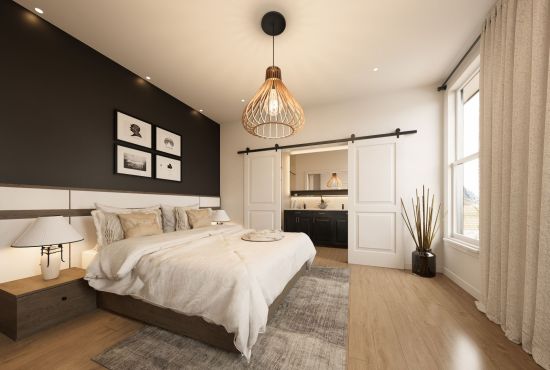
This blog explores how homeowners can rethink customization when building within a systemized model. It explains why unlimited customization often increases risk through late changes, unclear scope, and decision fatigue, then shows how systemized approaches can deliver better predictability without sacrificing personal style. Readers learn the difference between personalization and high-risk customization, where customization adds real value, and where it tends to create costly ripple effects. The article highlights the role of curated finish collections, early coordination, and decision deadlines that protect schedule and budget. It also includes California context for ADUs and compact homes, especially in San Jose and nearby cities, plus coastal and statewide markets where permitting and site constraints make predictability valuable. The goal is to help homeowners build a home that feels unique while benefiting from a calmer, more reliable process....
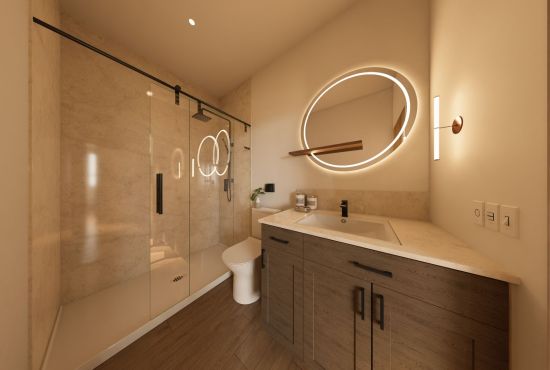
This article explains how factory-built housing can support faster disaster recovery by reducing common delays that occur after wildfires and other disruptive events. It highlights the advantage of parallel progress, where modules or panels are built off-site while foundations, utilities, and permitting move forward. Readers learn how controlled environments can improve material protection, reduce moisture exposure, and support repeatable quality checks that help prevent costly rework. The blog also discusses ADUs as a flexible recovery option, whether used for temporary housing during a rebuild or as a long-term solution for family or rental needs. It includes California-focused context across Santa Cruz, San Jose and nearby cities like Campbell, Palo Alto, and Redwood City, plus San Francisco, Sacramento, Santa Rosa County, San Luis Obispo County, Santa Barbara, Los Angeles County, Orange County, and San Diego. The goal is to show how off-site methods can restore housing stability sooner while supporting durable, livable outcomes....